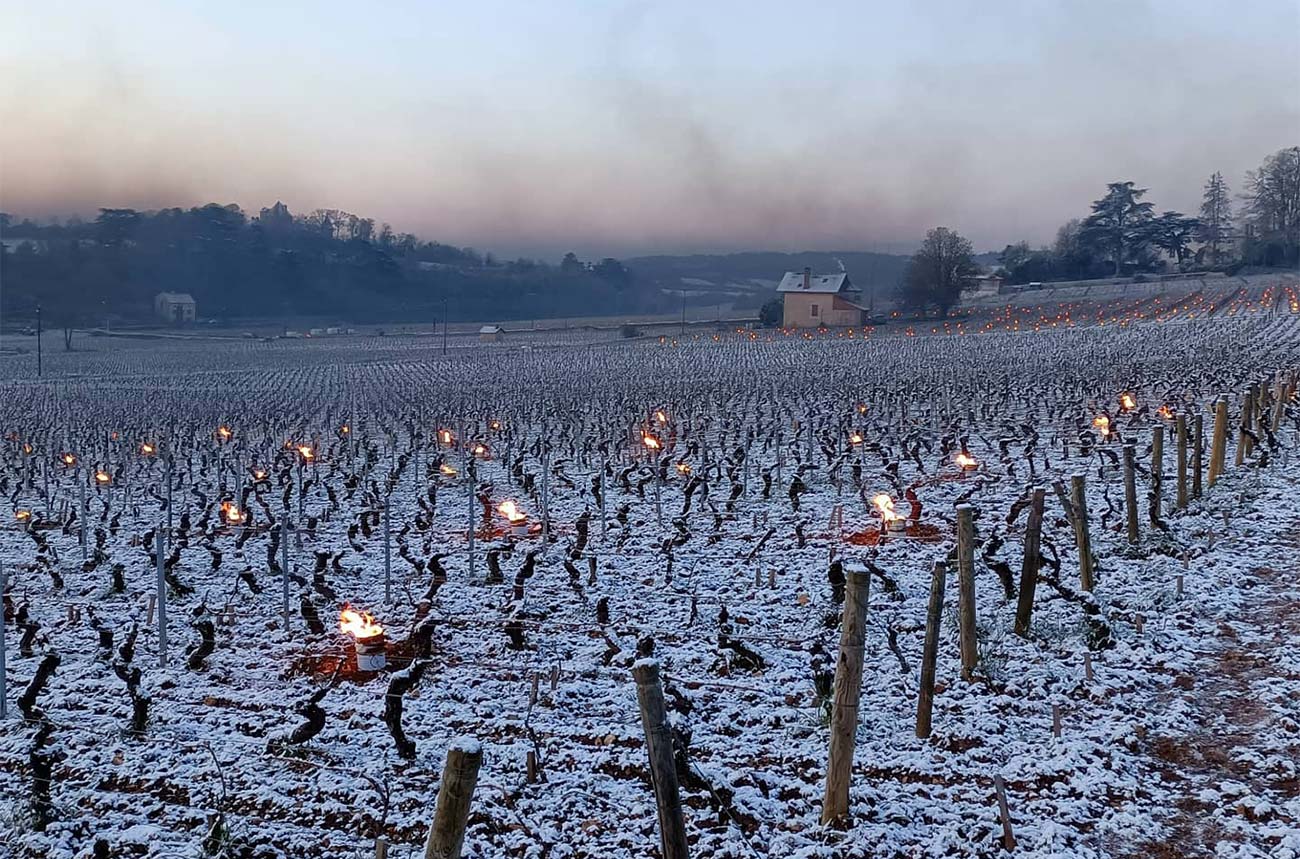
Lebanese farmers in the north and south lost around half of their citrus and banana crops in the snowstorm that swept Lebanon Wednesday, according to the Lebanese Farmers Association.
“Farmers were harmed by the storm but we still cannot assess the value of the losses,” association head Antoine Howayek said.
“Zina” ramped up Tuesday, bringing violent winds and heavy rain and hail throughout Lebanon, halting traffic at Beirut airport and prompting the government to order schools closed across the country.
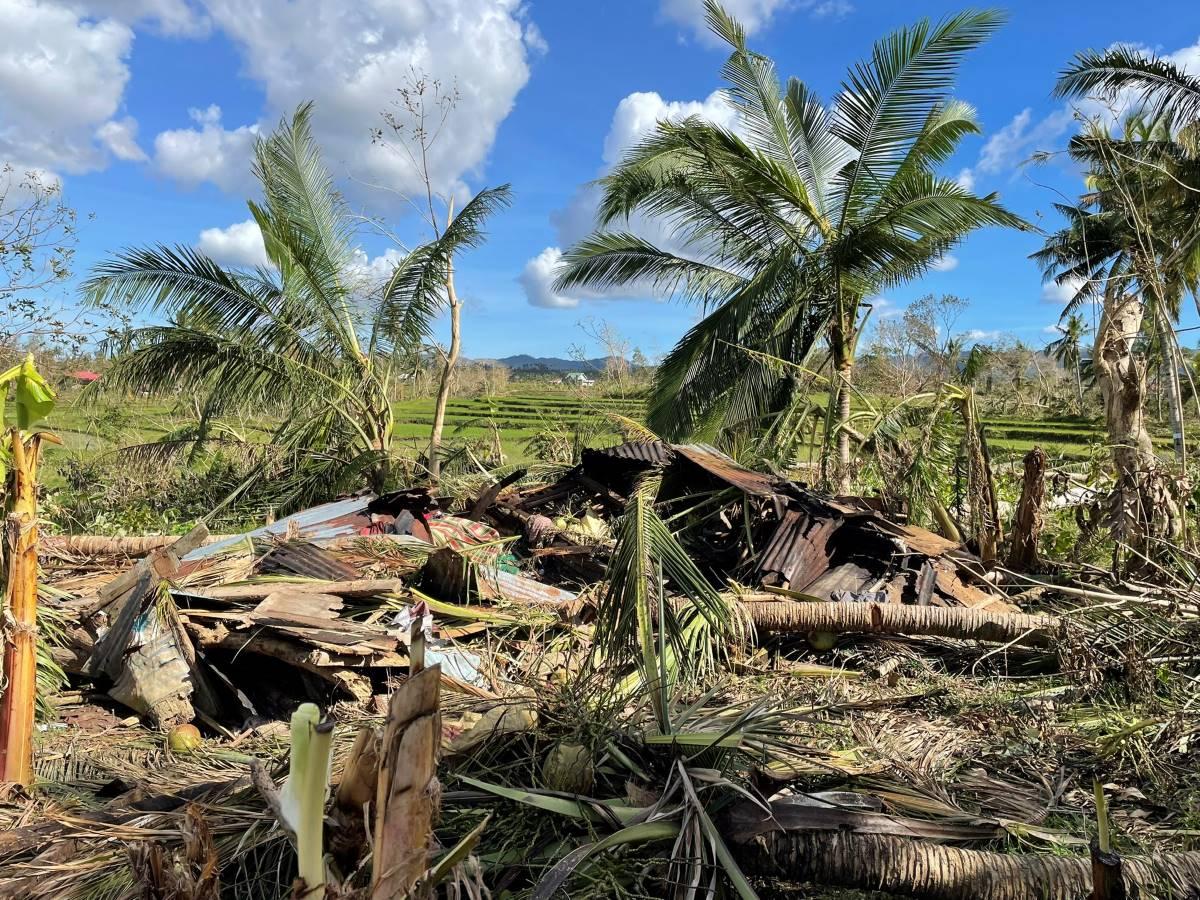
Trees were ripped from their roots and billboards torn off posts in different parts of the country, as Zina battered coastal towns and buried mountain roads under snow.
The storm wreaked extensive damage to fruit crops, in particular banana and citrus fruits, across the north and the south. It also caused mild damage to plastic greenhouses.
“Around 20 percent of plastic greenhouses were harmed, especially old ones,” Howayek said, adding that any snowstorms in the coming days is likely to have a deep impact on flowers and vegetables in plastic greenhouses.
Anwar Franjieh, a farmer in Zgharta, said most of his citrus trees were toppled by the storm. He added that his losses amounted to around LL7 million over the past three days.
The Agriculture Ministry declined to give details on the damage caused since Zina stormed the country, saying it still does not have proper figures. “We will receive the new figures in a few days,” said Abboud Freiha, an agricultural official in Mount Lebanon.
“Alexa” struck Lebanon last year and wreaked havoc on the agricultural and fishing industries, with hundreds of families calling on the government to compensate them for their losses.
Howayek said the storm washed away dozens of tents that housed grapes in some parts of the country last year, but the government did not compensate farmers.
“The government did not compensate farmers last year and it will not do so this year as well because nothing has changed,” he said.
The last time the government compensated farmers was in 2008, he added.
“In 2008, the government decided to compensate farmers after one of the worst storms hit Lebanon in many years. But the security events in May of that year delayed this assistance and farmers had to adapt to their losses,” Howayek said, referring to Hezbollah’s response after illegal telephone lines were severed by the Cabinet.
Howayek said the farmers association discussed with Parliament a decade ago the possibility of establishing a publicly run agricultural insurance organization.
This institute would be financed by the government and farmers to compensate farmers for losses resulting from environmental disasters.
“Unfortunately this organization was not created because our politicians do not have a direct interest in establishing such an entity,” Howayek said, citing a lack of political will.
Zgharta farmer Franjieh echoed the need for a compensation fund. “I wish that such an institute would be created very soon because it would solve a big part of the problem,” he said.
Likewise, Ramiz Osseiran, head of the farmers association in the south, said that the government must create a fund to compensate farmers for damage incurred as a result of natural disasters or security problems.
“Such a fund can be financed by imposing around 1 or 2 percent tax on agriculture imports or by allocating some of the money given by [foreign] donors for this purpose,” he said.
Osseiran added that while citrus crops in the south suffered greatly this year, he ruled out the possibility of receiving support from the government anytime soon.
Source - http://www.dailystar.com.lb/