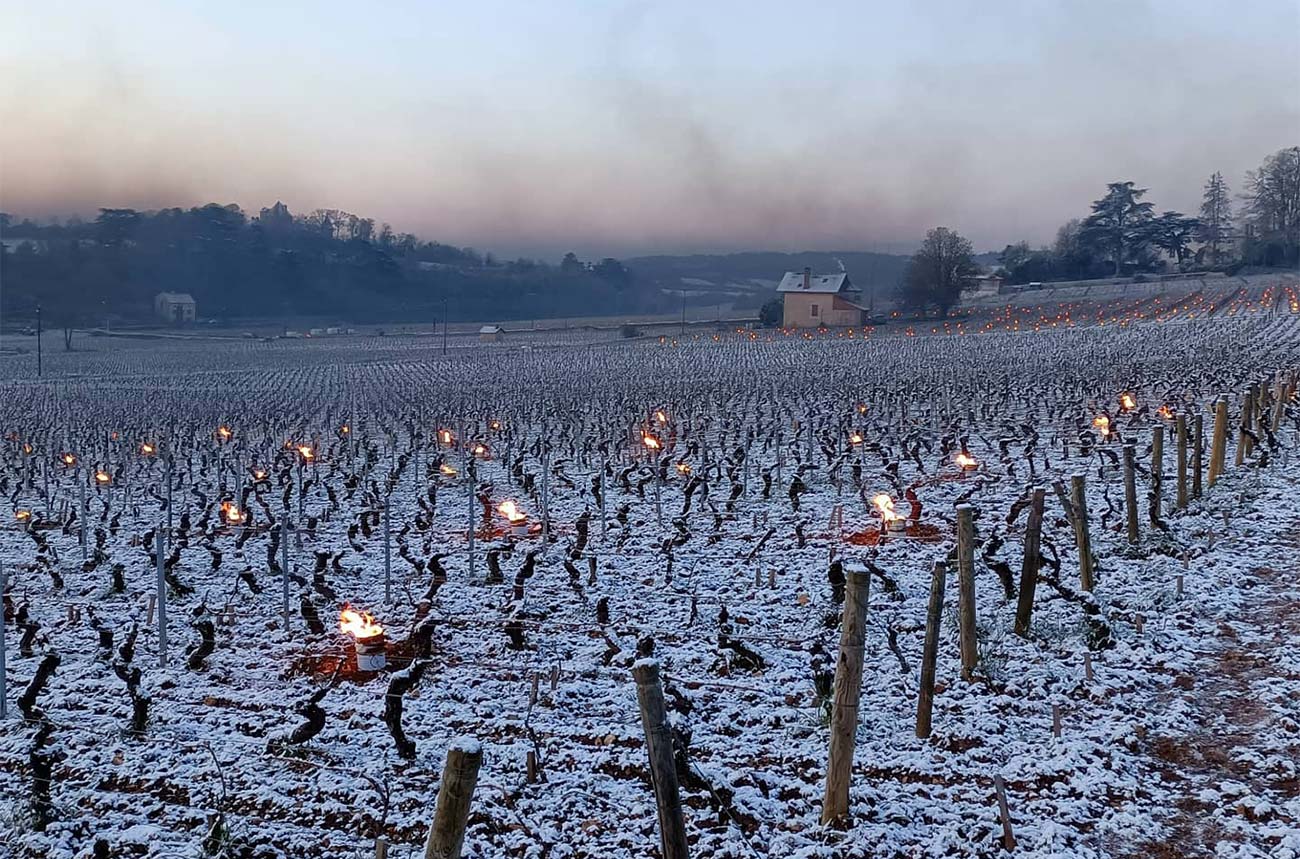
USA - Abrupt freeze damages fruit orchards in northeast Oregon

12.01.2015 227 views

Growers near Milton-Freewater have been pulling trees killed by an abrupt freeze.

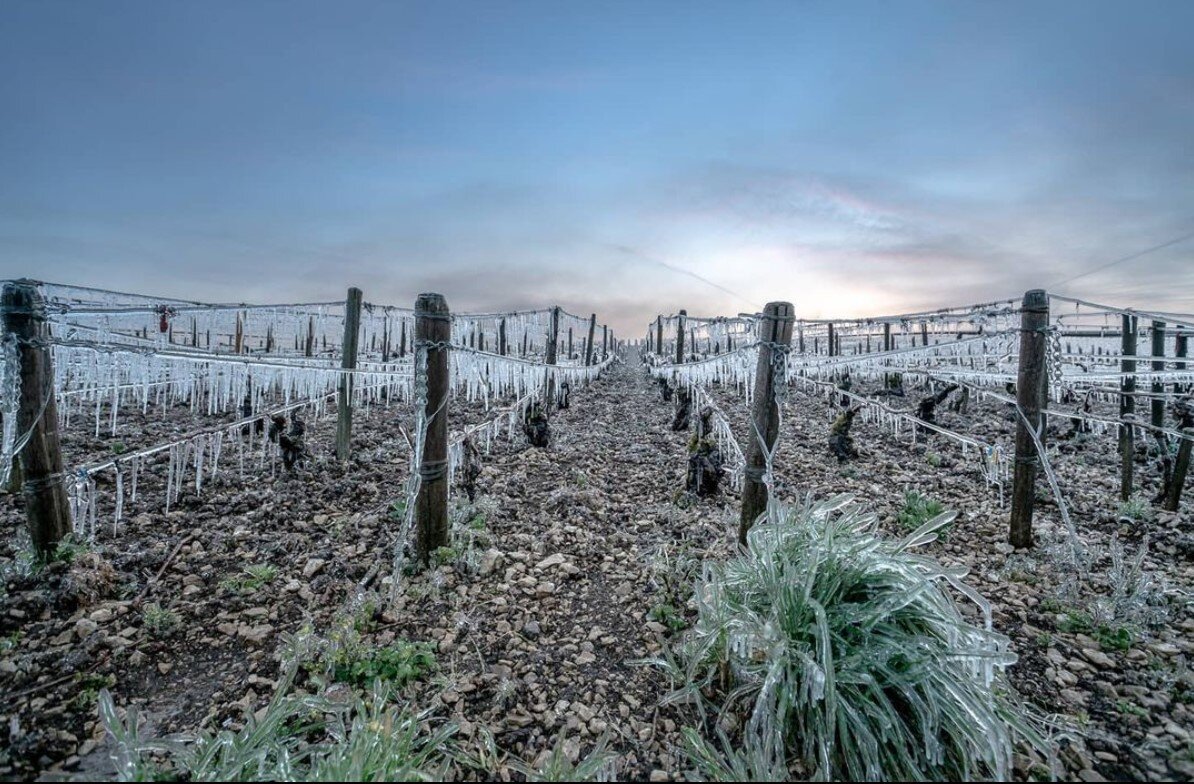
Temperatures in northeast Oregon plummeted from 60 degrees to the single digits during the mid-November freeze, damaging trees and harming fruit buds before they could become acclimated to the conditions. Roughly 130 acres of trees, those less than two years old, have been uprooted as growers assess the damage, the full extent of which won’t be known until spring.

“I would testify this is a disaster across the region,” told Clive Kaiser, an extension horticulturist with Oregon State University.

The fruit industry in the Milton-Freewater region generates about $85 million per year, and it is the leading producer of apples in Oregon, Kaiser said. There are about 60 commercial growers and 3,500 acres of trees across the valley. Kaiser said to expect reduced yields for apples, cherries, peaches and plums.

A similar freeze was reported in 2011. At the time, Umatilla County commissioners asked the governor to declare a state of emergency.

Ron Edwards, who has a farm north of Milton-Freewater, said his cherry crop looks all but wiped out, but it’s too soon to tell on the other trees in his small orchard.

“The main thing I’m concerned about is if the trees are OK. Because then you have a chance going into next year,” Edwards said. “If you lose your tree, and you have to replant. That’s a big loss to the grower.”

The Mid-Columbia region’s pear and cherry crop also sustained damage, said Lynn Long of the OSU Extension Office in Wasco County.

“I think we can say there is going to be some replanting of fairly young orchards,” Long said. “We’re just trying to figure out the extent of the damage, and what it will mean to the industry.”

Fruit growers across the Washington state line sustained less damage, Kaiser said.

Source - http://www.washingtontimes.com/

10.05.2026

Philippines - Mayon ashfall inflicts P13-M crop losses

Preliminary assessments by the DA Regional Field Office V showed that 102 hectares of farmland within the six-kilometer danger zone were damaged, resulting in production losses of 364 metric tons. The losses have affected 228 farmers in Albay province.

10.05.2026

Guam - $2M needed to help 500+ farms impacted by Super Typhoon Sinlaku

The Guam Department of Agriculture has completed their post-Typhoon Sinlaku damage assessments for their Crop Loss Compensation Program. Officials now say about $2 million are needed to assist some 500 farms across the island that were impacted by the storm. 

10.05.2026

USA - Wetland mitigation credit program created specifically for farmers

For years, farmers have worked around wetlands on their properties, balancing production and compliance around these natural wetlands — even as they present management challenges.

10.05.2026

India - Farmers in Jangpetkong to get free livestock insurance for one year

Advisor for Transport and Technical Education Temjenmenba launched a one-year, 100 per cent free Livestock Insurance Scheme exclusively for the 29 Jangpetkong Assembly Constituency at Khar village in the Mokokchung district on Saturday.

10.05.2026

USA - Researchers launch farmer decision tool to help navigate risk management choices

Farmers grappling with difficult risk management choices now have a powerful new online tool that’s born from years of data collection and months of refinement.

10.05.2026

UK - Vineyard 'devastated' as frost destroys half of crop

A vineyard has said the loss of half its crop in April due to frost was "devastating".

07.05.2026

Moldovan May frosts caused heavy damage to fruit orchards

The first frosty nights of May have significantly worsened estimates of damage to Moldova's fruit sector from spring frosts. 

07.05.2026

India - Over 3,000 nilgai killed to curb crop damage

A total of 3,092 ghodparas (blue bull), commonly known as nilgai, have been killed in state in the financial year 2025-26 as the department of environment, forest and climate change intensified action to protect crops from animal attacks.