England - Oilseed rape yields threatened by beetle damage

14.01.2015 250 views

Oilseed rape growers are being urged to reassess the yield potential of their crops with large numbers of cabbage stem flea beetle larvae being found in plants.

Last autumn saw beetle numbers swell in areas of eastern England and the damage from their larvae could leave crops open to other pest damage and lodging.

Ryan Hudson, agronomist with distribution group Farmacy, explains that growers in the beetle hotspot areas are seeing some fields “riddled” with the larvae.

“They could do a lot of damage – arguably more than the adults because we cannot control them now and I think we will find out the true extent this season,” he explains.

This is the first season for growing oilseed rape following the European Union ban on neonicotinoid insecticide seed dressing, which has led to a sharp rise in beetle damage.

There is little growers can do now as the only option of tackling the larvae is an autumn pyrethroid spray, so they must now focus on stimulating growth, according to Mr Hudson.

“We’ve got the root structure, but with the pest damage we’re going to need to rebuild the green leaf area with early nitrogen applications,” he says.

Mr Hudson explains keeping other pests at bay to allow the crop to regrow the new leaves in early spring will be vital.

He says growers need to monitor slug and pigeon damage as the combination of the two can strip healthy crops, and leave open canopies where weeds can thrive.

Independent entomologist Alan Dewar agrees that the hangover from beetle attacks last autumn could still have the potential to reduce yields.

He says growers who are seeing more than five larvae a plant could see a dip in yield. He adds the large numbers could carry over into next season.

Meanwhile, Sam Cook of Rothamsted Research says the damage can be severe in some crops as the larvae tunnels into the petiole and eats it from the inside out.

“They can cause loss of plant vigour, which could cause particular problems in areas of low density,” she says.

She also points out the plants can be more susceptible to lodging and be more exposed to fungal infection.

Source - http://www.fwi.co.uk

10.05.2026

Philippines - Mayon ashfall inflicts P13-M crop losses

Preliminary assessments by the DA Regional Field Office V showed that 102 hectares of farmland within the six-kilometer danger zone were damaged, resulting in production losses of 364 metric tons. The losses have affected 228 farmers in Albay province.

10.05.2026

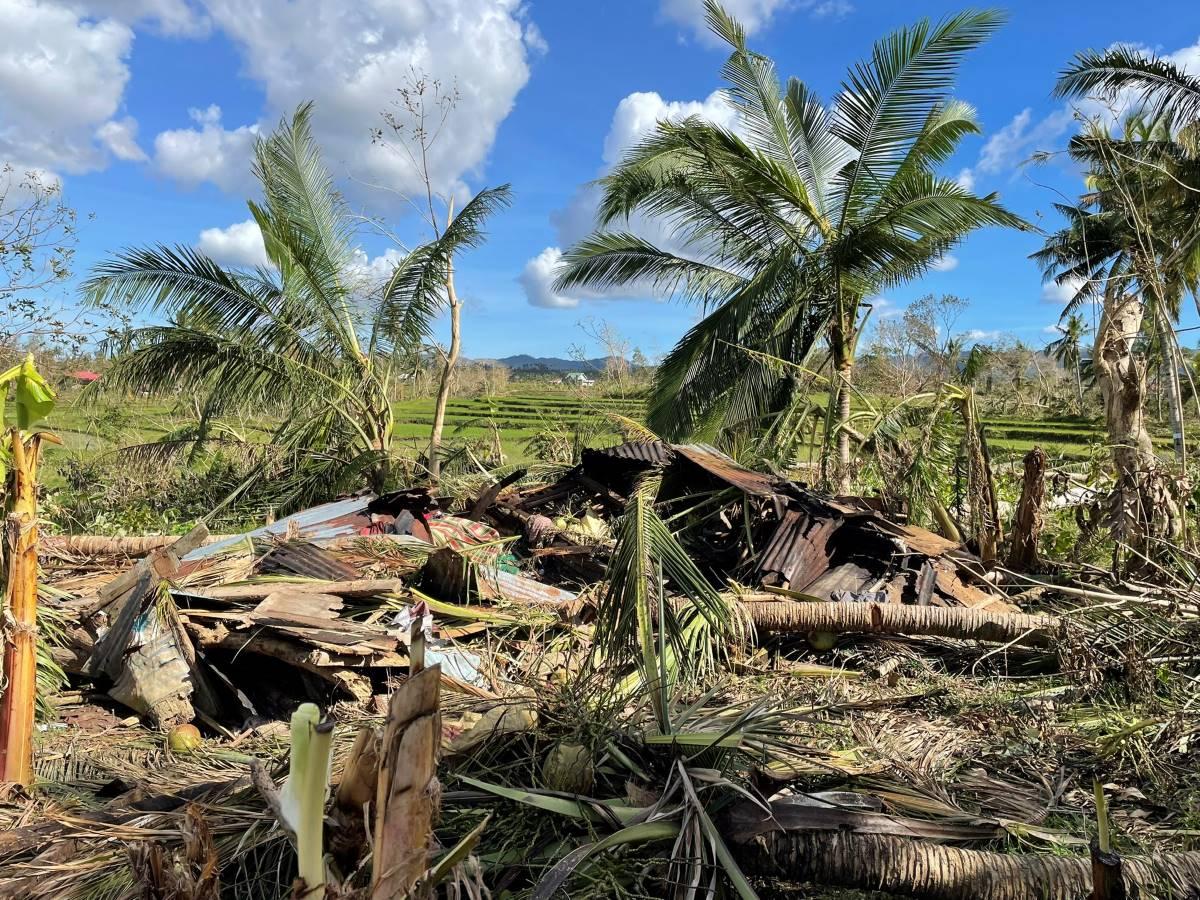
Guam - $2M needed to help 500+ farms impacted by Super Typhoon Sinlaku

The Guam Department of Agriculture has completed their post-Typhoon Sinlaku damage assessments for their Crop Loss Compensation Program. Officials now say about $2 million are needed to assist some 500 farms across the island that were impacted by the storm. 

10.05.2026

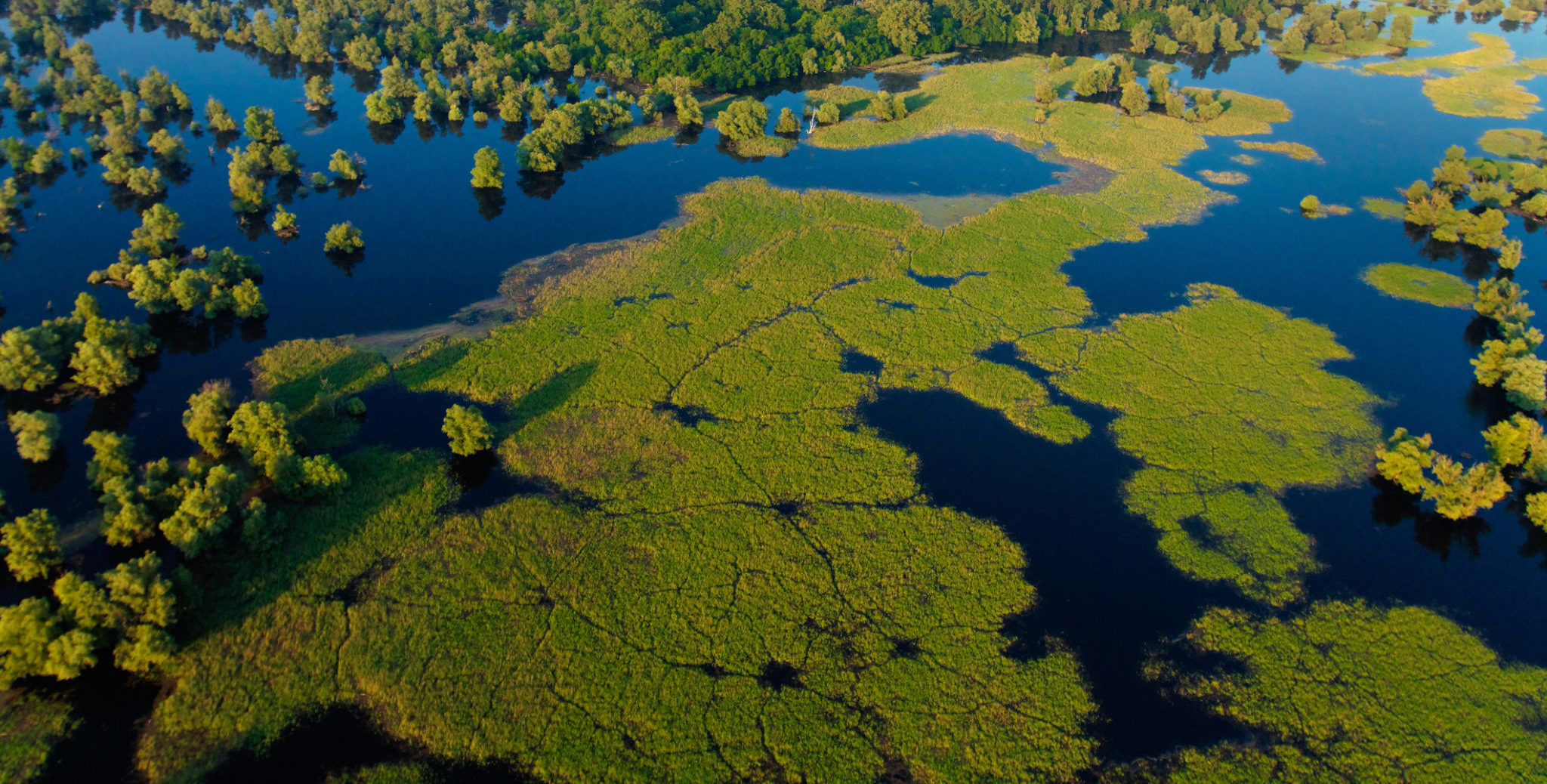
USA - Wetland mitigation credit program created specifically for farmers

For years, farmers have worked around wetlands on their properties, balancing production and compliance around these natural wetlands — even as they present management challenges.

10.05.2026

India - Farmers in Jangpetkong to get free livestock insurance for one year

Advisor for Transport and Technical Education Temjenmenba launched a one-year, 100 per cent free Livestock Insurance Scheme exclusively for the 29 Jangpetkong Assembly Constituency at Khar village in the Mokokchung district on Saturday.

10.05.2026

USA - Researchers launch farmer decision tool to help navigate risk management choices

Farmers grappling with difficult risk management choices now have a powerful new online tool that’s born from years of data collection and months of refinement.

10.05.2026

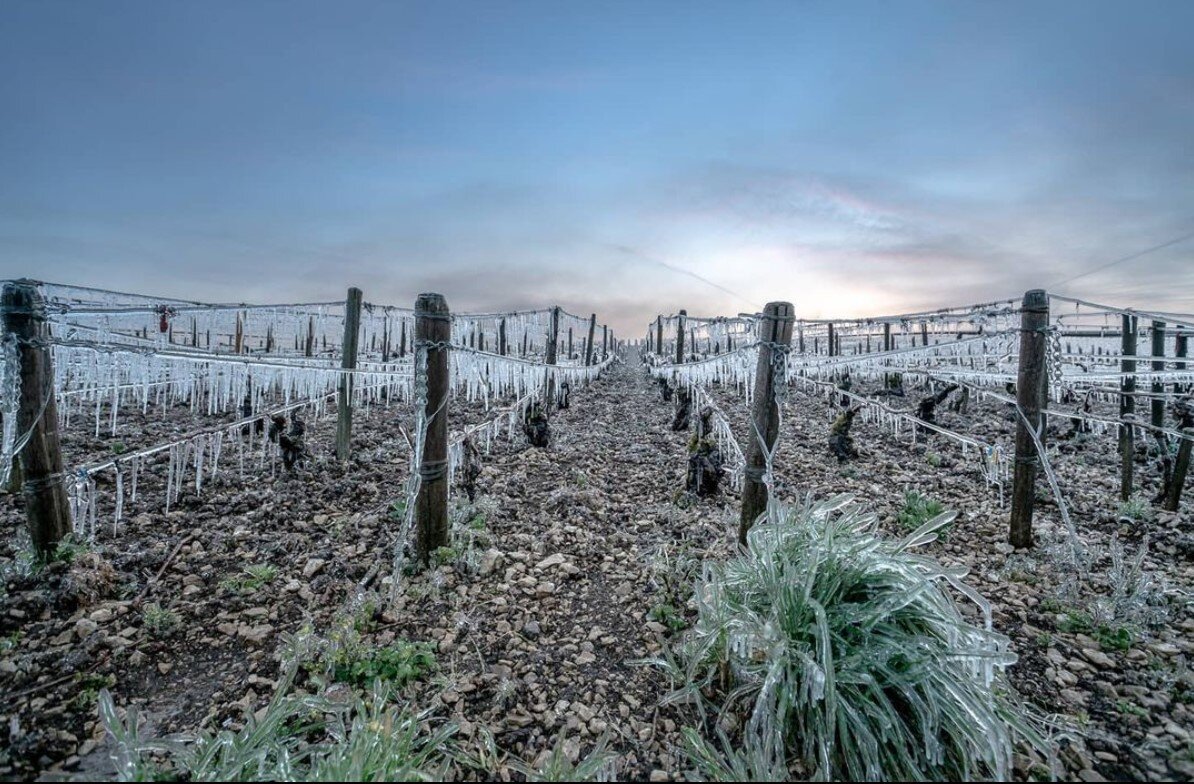
UK - Vineyard 'devastated' as frost destroys half of crop

A vineyard has said the loss of half its crop in April due to frost was "devastating".

07.05.2026

Moldovan May frosts caused heavy damage to fruit orchards

The first frosty nights of May have significantly worsened estimates of damage to Moldova's fruit sector from spring frosts. 

07.05.2026

India - Over 3,000 nilgai killed to curb crop damage

A total of 3,092 ghodparas (blue bull), commonly known as nilgai, have been killed in state in the financial year 2025-26 as the department of environment, forest and climate change intensified action to protect crops from animal attacks.