Durban - One of South Africa's biggest sugar producers, Illovo Sugar, will close its Umzimkulu mill for the year-long 2015 milling season starting in April.
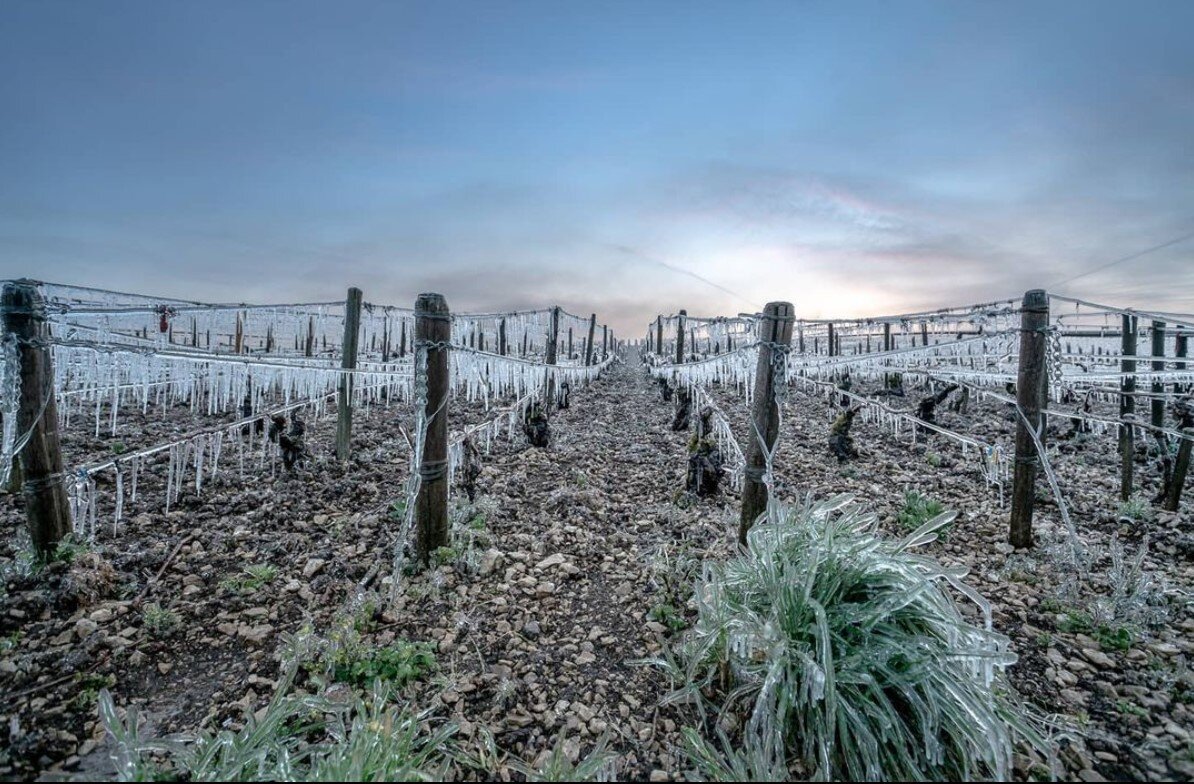
Illovo blames significantly below-average rainfall in KwaZulu-Natal during the 2014 milling season and frost during the past winter which severely affected cane supplies for the forthcoming season.
There are fears that next year’s crop is also going to be affected, as the planting season has been delayed by the drought in the province.
“Across our entire cane-growing region, serving four sugar factories, estimated cane supplies for the 2015/16 season will fall by approximately 1 million tons (around 18% of our total cane supply) compared against average deliveries in a normal season,” said Dave Howells, managing director of Illovo Sugar South Africa.
Deliveries meant for Umzimkulu will be diverted to Illovo’s Sezela mill for processing.
The company is committed to paying for the additional transport for the 95km diversion
Illovo is not expecting closure of its other mills.
This is not the first time the Umzimkulu mill has had to shut down because of drought – the same happened during the 2011 milling season.
Staff was moved to other operations within the group, and only critical staff remained at the mill.
This past season was particularly unfavourable to the sugar sector with a combination of bad weather and a sugar industry strike.
Swaziland
Illovo took a further hit when cane production in Swaziland was also affected by weather and another industry strike.
Total group sugar production for the period dropped by 9% to 1.3 million tons with the contribution to operating profit derived from sugar production declining from R847 million in 2013 to R692m last year.
Paul de Robillard, vice-chairman of the Gledhow Sugar Company in Stanger, said the drought had also hit its growers badly and they were expecting a decrease of at least 20% in crushed cane.
Unlike the Umzimkulu mill, Gledhow does not own farms, but its supplying growers own 25.1% of the company.
“What’s worrying is that the drought will continue to affect the industry even in 2016. Planting should be under way, but it has been delayed because we have not yet received any good summer rains,” said De Robillard.
The next two weeks are critical and could determine the volume of cane to crush next year.
Growers have until the end of March to complete their planting before the milling season starts in April.
“We need at least 100mm of continuous rains. Cane needs at least 12 months to mature, so a delay in planting results in a delay in harvesting and processing,” said De Robillard.
The Food and Allied Workers Union’s Katishi Masemola said they were not expecting job losses at the mills but feared that seasonal employees at the mills and farms could join the unemployed masses.
“We've always known that the drought would affect workers in some way.
“But the fact that a mill has decided to close means the problem is bigger than we thought,” he said.
The union hoped the government would intervene to prevent job losses in the agricultural sector as whole.
Masemola also expressed concern about the possibility of local markets being flooded by imported agricultural end products should local producers not meet the demand.
“The increase in import tariffs helped to turn things around for the local producers last year and obviously the consumers could also get sugar-based products at affordable prices.
“If our producers don’t meet the demand, imports are likely to increase and that will hit consumers’ pockets,” he said.
The director of the SA Sugar Association, Trix Trikam, would not comment on the closure of the mill but said the South African sugar industry would first satisfy the domestic market and there was no perceived need for imported sugar.
Source - www.iol.co.za