Georgia - Double Crop Baleage An “Economical Gem”

29.01.2015 210 views

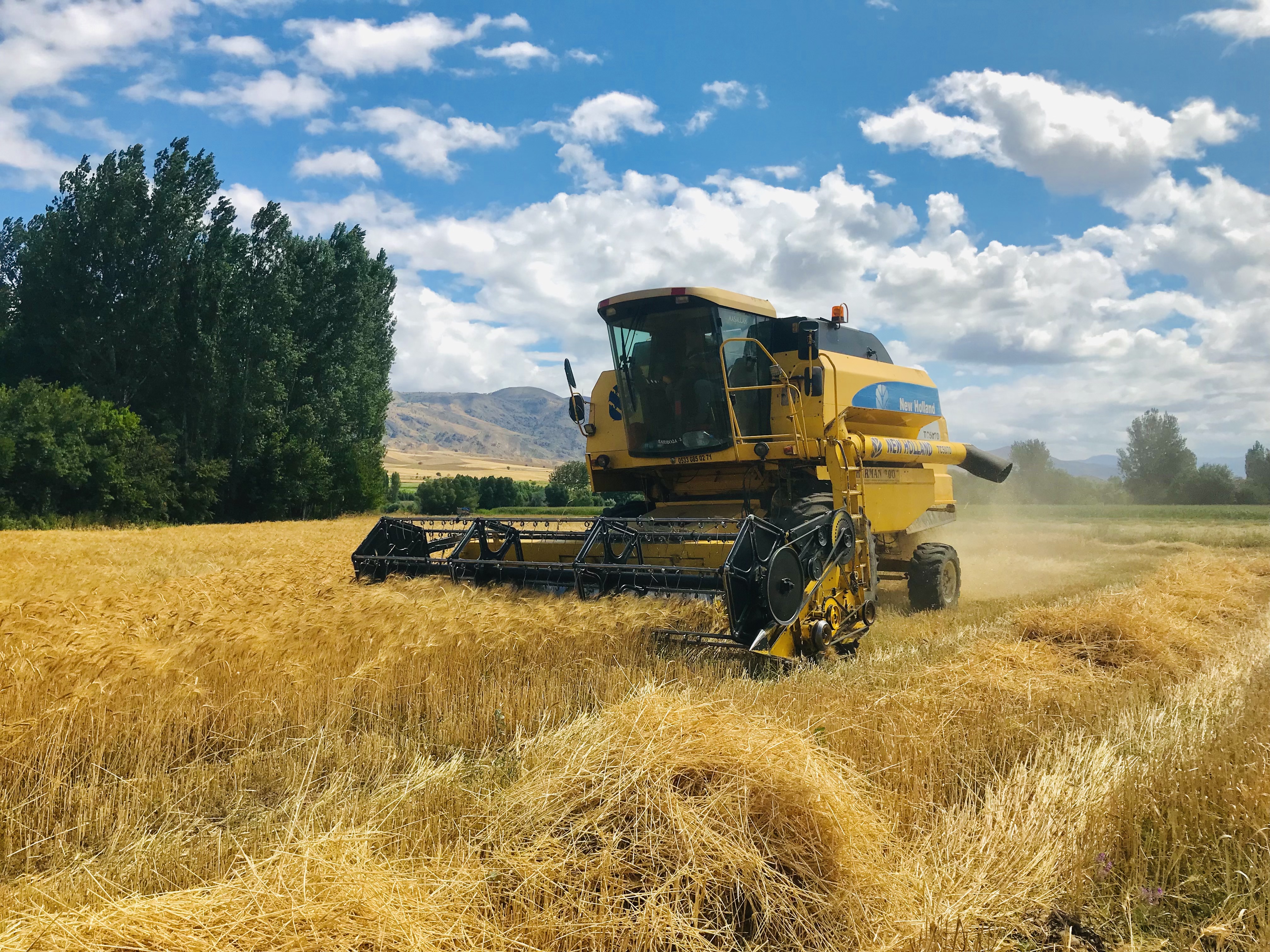
Growing winter annuals on cropland for baling can provide a sustainable forage source, improving soil and saving several thousands of dollars, farmers in the southern US are hearing.

Following row crops with wheat, rye or rye grass cover crops can be worth $263 per acre, a three year study at the University of Georgia (UG) has found.

And through baling the resultant forage, a “complete diet” can be provided, while soil organic matter is improved by reducing moisture and nutrient loss.

Trialled on farms across Wayne County, “Double crop baleage” has been a major benefit to mixed cattle and crop operations in the state.

However, the economic advantage of double cropping is hugely dependent on the operation. “With a small number of cows, it’s hard to justify doing this,” said UG economist Curt Lacy. “If they have fewer cattle, they can look at buying baleage wrapped or having someone do it for them if they can’t buy the equipment.”

But while the system works in America’s south, government advisors north of the border in Canada also recommend seeding crops like rye as an “excellent, cheap source of additional feed”.

“Fall rye can be used as an excellent emergency forage crop, by seeding after early-fall harvested crops and making haylage, or by grazing in the spring,” advises the Ontario farm ministry.

Care should be taken at cutting though. Fall rye has a narrow optimal harvest window, usually in mid-May for southern Ontario, working best after being sown as early as possible in September.

A mere few days can have massive impact on quality, the ministry advises. Those wishing to sell bales to dairy or sheep farmers will struggle to obtain sufficient neutral detergent fibre after the early-boot stage.

Other options include grazing fall rye, which is often best done through strip grazing to prevent the plant becoming too mature.

Ontario producers are advised to glyphosate rye to minimise competition for moisture on the resultant crop. Subsequent crops are best suited if they are late-planted, such as soybeans, edible beans, sorghum or other warm-season annuals.

Source - http://www.thecattlesite.com

10.05.2026

Philippines - Mayon ashfall inflicts P13-M crop losses

Preliminary assessments by the DA Regional Field Office V showed that 102 hectares of farmland within the six-kilometer danger zone were damaged, resulting in production losses of 364 metric tons. The losses have affected 228 farmers in Albay province.

10.05.2026

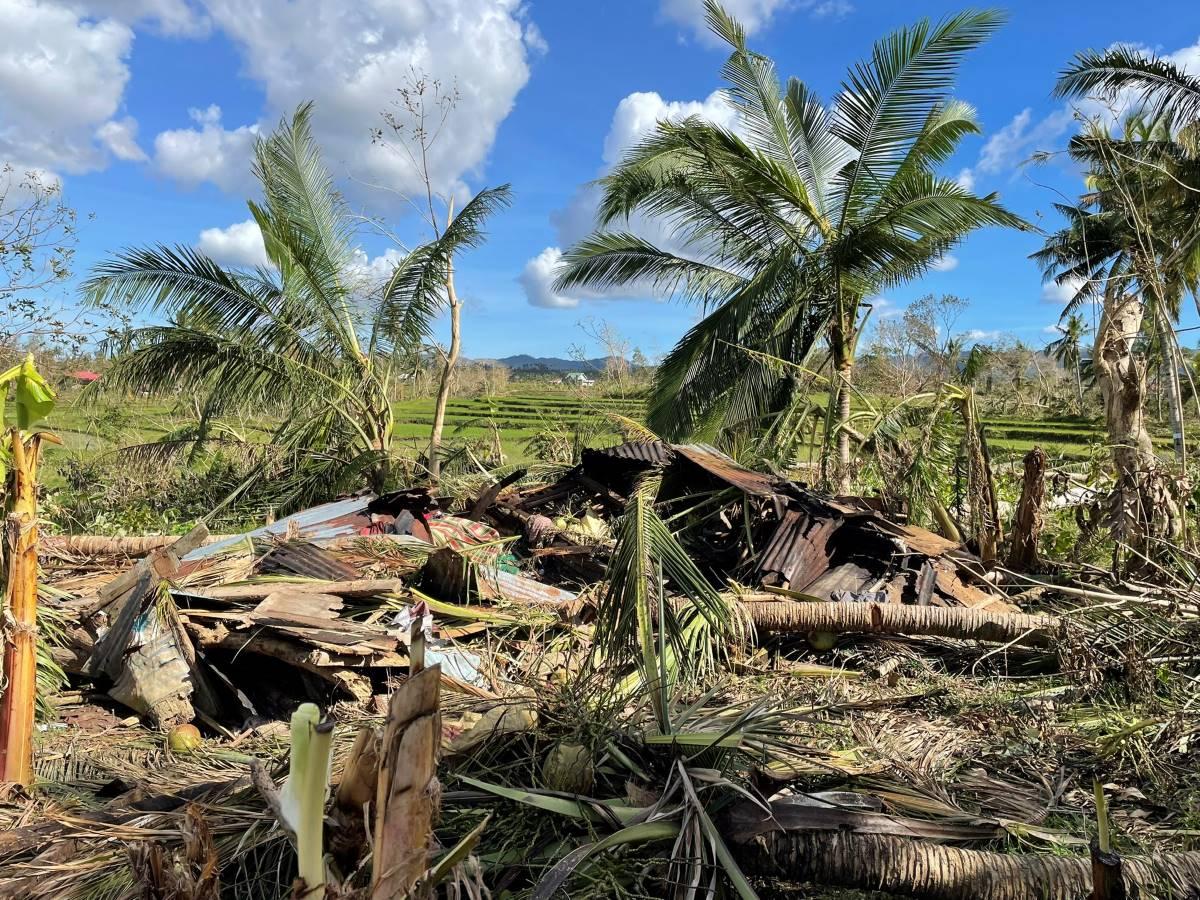
Guam - $2M needed to help 500+ farms impacted by Super Typhoon Sinlaku

The Guam Department of Agriculture has completed their post-Typhoon Sinlaku damage assessments for their Crop Loss Compensation Program. Officials now say about $2 million are needed to assist some 500 farms across the island that were impacted by the storm. 

10.05.2026

USA - Wetland mitigation credit program created specifically for farmers

For years, farmers have worked around wetlands on their properties, balancing production and compliance around these natural wetlands — even as they present management challenges.

10.05.2026

India - Farmers in Jangpetkong to get free livestock insurance for one year

Advisor for Transport and Technical Education Temjenmenba launched a one-year, 100 per cent free Livestock Insurance Scheme exclusively for the 29 Jangpetkong Assembly Constituency at Khar village in the Mokokchung district on Saturday.

10.05.2026

USA - Researchers launch farmer decision tool to help navigate risk management choices

Farmers grappling with difficult risk management choices now have a powerful new online tool that’s born from years of data collection and months of refinement.

10.05.2026

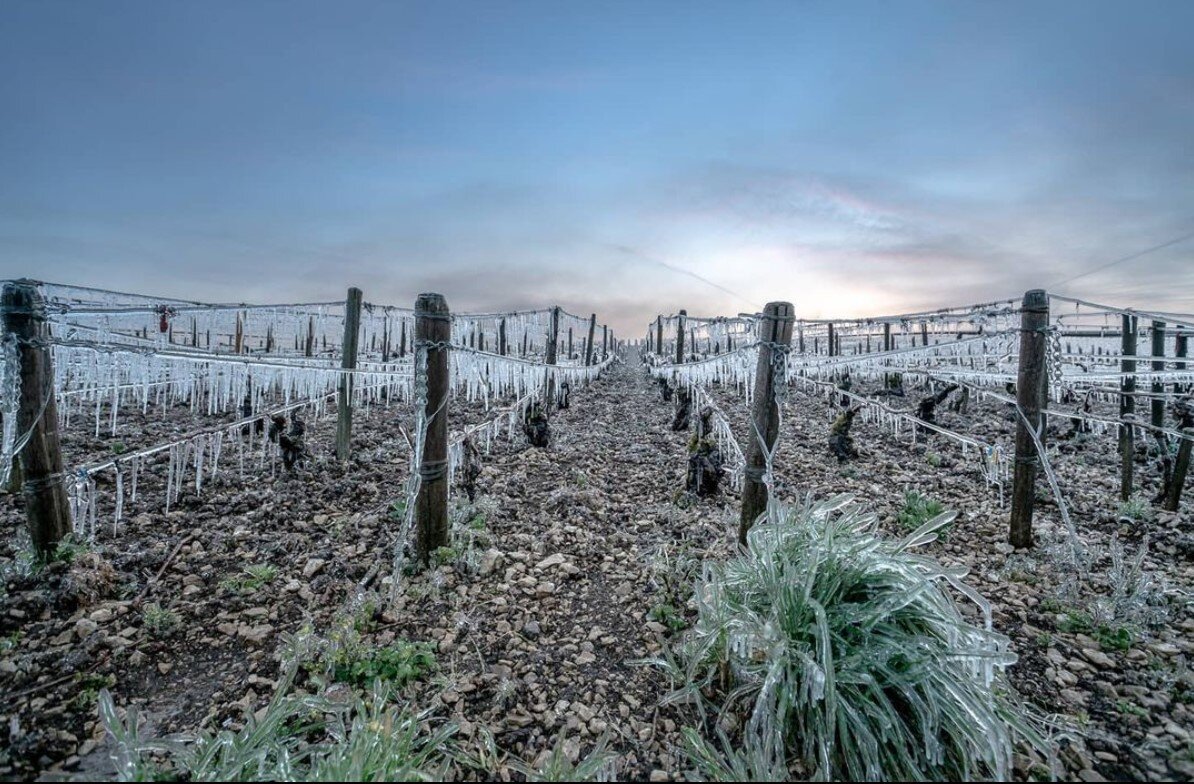
UK - Vineyard 'devastated' as frost destroys half of crop

A vineyard has said the loss of half its crop in April due to frost was "devastating".

07.05.2026

Moldovan May frosts caused heavy damage to fruit orchards

The first frosty nights of May have significantly worsened estimates of damage to Moldova's fruit sector from spring frosts. 

07.05.2026

India - Over 3,000 nilgai killed to curb crop damage

A total of 3,092 ghodparas (blue bull), commonly known as nilgai, have been killed in state in the financial year 2025-26 as the department of environment, forest and climate change intensified action to protect crops from animal attacks.