Javier Soto, representative of Proexport's leafy greens department, outlined the difficult situation that lettuce, a very iconic winter vegetable for the Region of Murcia, is currently going through.
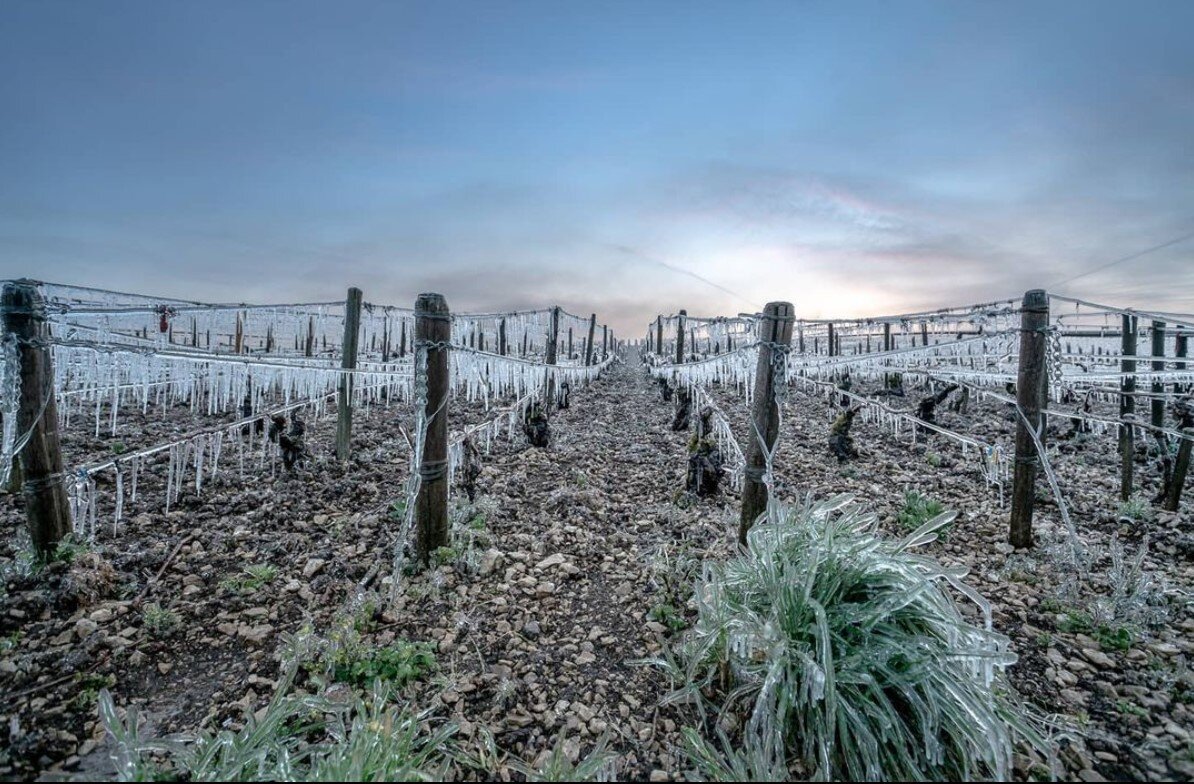
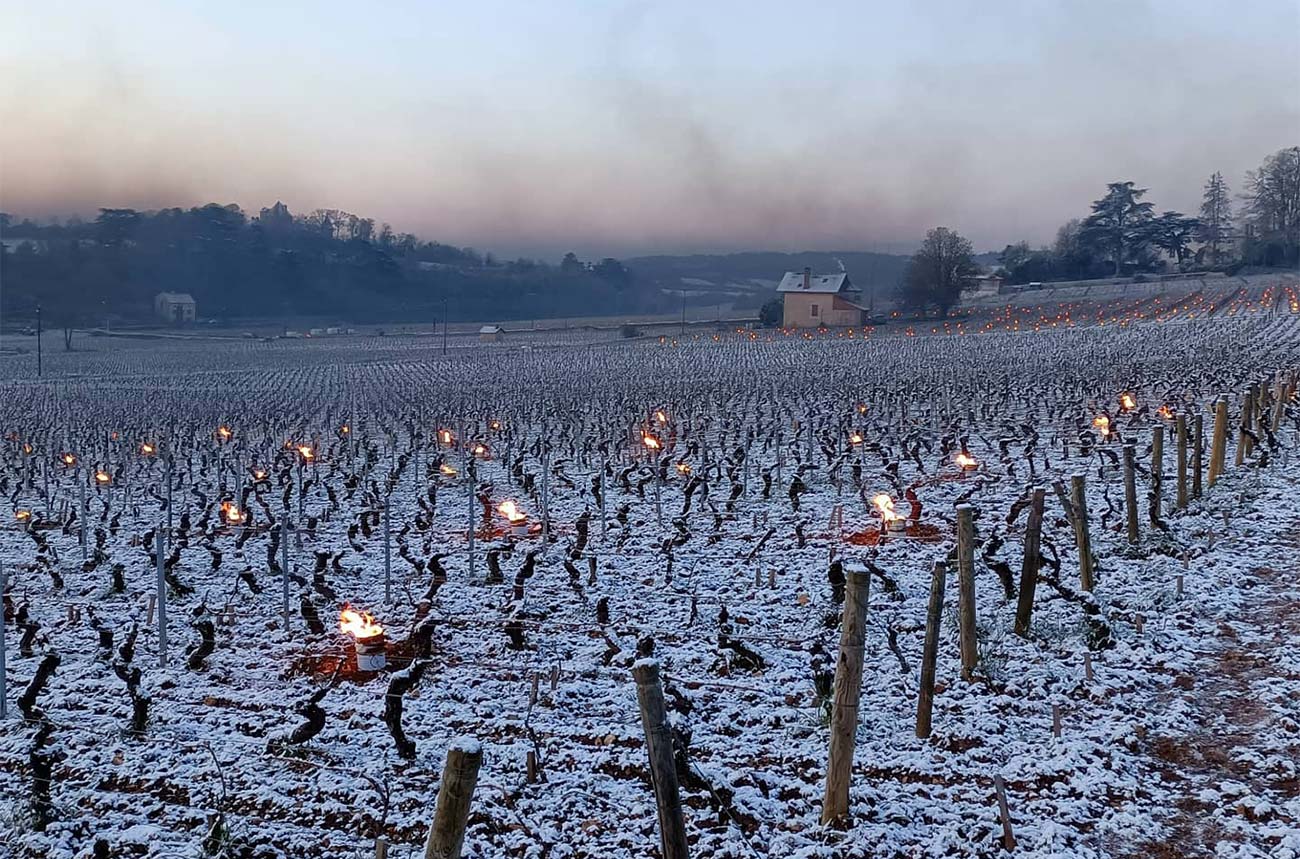
Between September and November, the region registered very mild temperatures that led to overproduction of lettuce and other leafy vegetables, which resulted in prices sinking. "Cold temperatures arrived suddenly, growth slowed down in some cases and in others the production was lost due to the effects of frosts. Supply has now dropped by 30 to 40%," explains Soto. "The simple game of supply and demand has led, after two very critical months, with sales well below production costs, to rising prices," he explains. Nevertheless, Javier Soto fears, however, that this will not help in recovering from the early losses, since sales have significantly dropped.
Something similar happened to artichokes. This vegetable is hypersensitive to cold temperatures, according to the president of Proexport, Juan Marín, who said that Spain's two major producing areas, Campo de Cartagena and Guadalentin Valley, have had different fortunes. In the former's case, the effects of frosts have barely been felt and the extent of the losses has ranged, depending on the farms, from 10 to 20%. In contrast, the Guadalentin Valley has recorded an average 40% decline in production, reaching up to 90% in the areas that have been most affected by frosts. "Consequently, prices have considerably increased," adds Marin; this, in his opinion, will enable the sector to recover.
Jesús Abenza, manager of the cooperative Alimer, one of the region's largest artichoke producers, said that between 70% and 80% of the produce affected by frosts will be used by the canning sector because it is not suitable for the fresh market. Furthermore, the manager estimated that there will be a reduction of between 15 and 25% in production volumes.
Good hopesDespite the situation, artichoke producers have "high hopes for the future," according to the president of Proexport, because this sector is highly linked to the canning industry, which will be favoured by two great bits of news: the first is that the Euro has lost strength against the dollar, "which will boost the export of canned products to the United States and Canada," two markets of difficult access until now due to their import tariffs and the strength of the Euro.
The second encouraging piece of news is the progress in the negotiations of the trade agreement between the EU and both American countries, which could lead to the disappearance of these tariffs. "After years of losses and thinking that the production of artichokes was in danger, there is hope," states the producer.
As regards broccoli, another important winter vegetable for Murcia, the president of Proexport explains that the cold has allowed for a regulation of supply and demand, slowing down its production. "This vegetable resists cold temperatures very well; thus, there have been no losses, but prices have increased," he concludes.
Source - http://www.freshplaza.com