As Nigeria continues to grow its presence in the global agriculture market, officials from the country’s Government met in London recently to discuss a desire to increase the use of index-based insurance schemes for local smallholder farmers.
To back this, the meeting of officials will also be the base for the launch of a new study by the CGIAR Research Program on Climate Change, Agriculture and Food Security (CCAFS) and the International Center for Climate and Society (IRI) at Colombia University.
The study looks at similar projects that have benefited smallholder farmers in other emerging markets, including the Agriculture and Climate Risk Enterprise (ACRE) scheme in Kenya, Rwanda and Tanzania, the Weather-Based Crop Insurance Scheme (WBCIS) in India, the Rural Resilience Initiative (R4) project in Ethiopia and others.
Dr. Dan Osgood, co-author of the new study, commented; “Many countries are leading a movement to increase insurance coverage for the most vulnerable farmers,” adding that, “This shift could change the lives of millions of smallholder farmers across the globe, who face increasingly erratic weather due to a changing climate.”
Nigeria’s stance as a global agriculture producer has expanded over recent years, revealing a need to protect its farmers’ livelihoods in the event of adverse weather or market shocks.
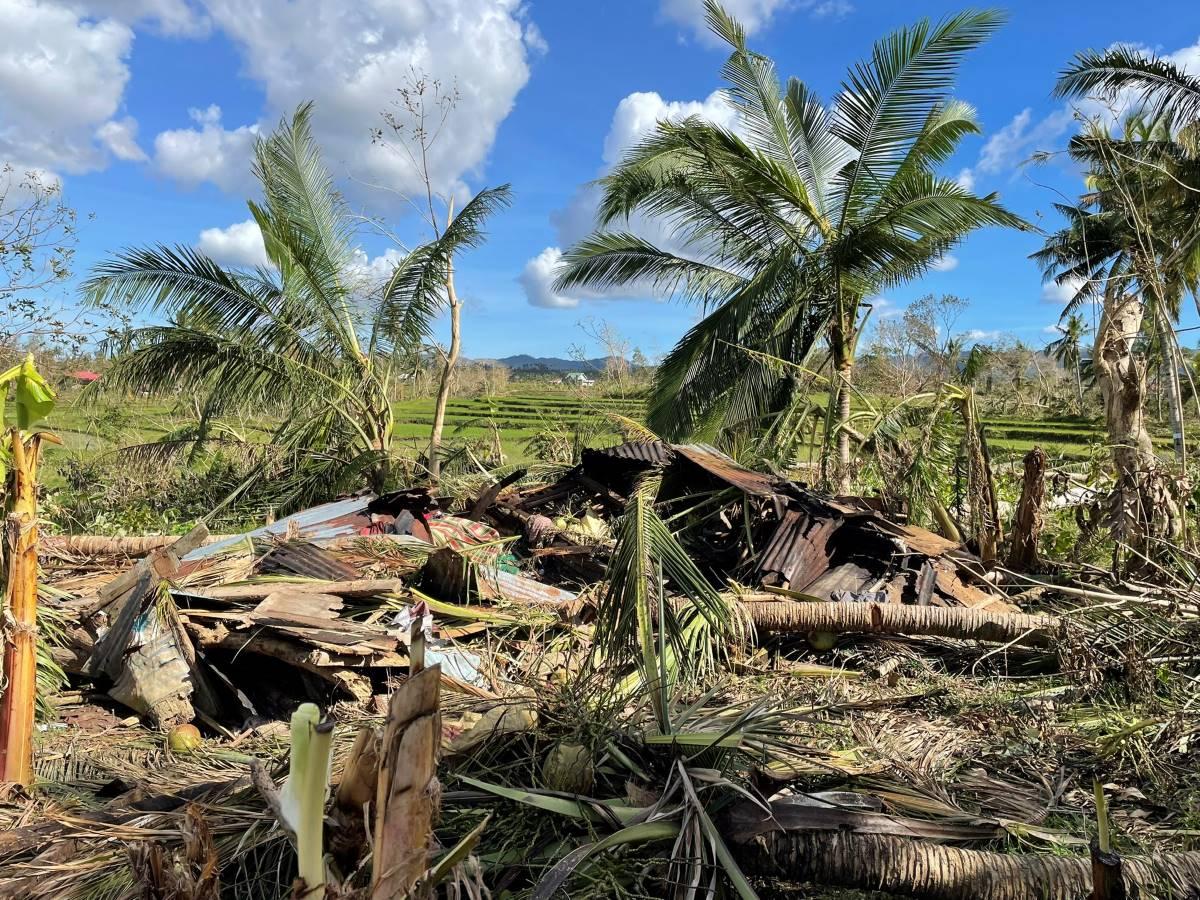
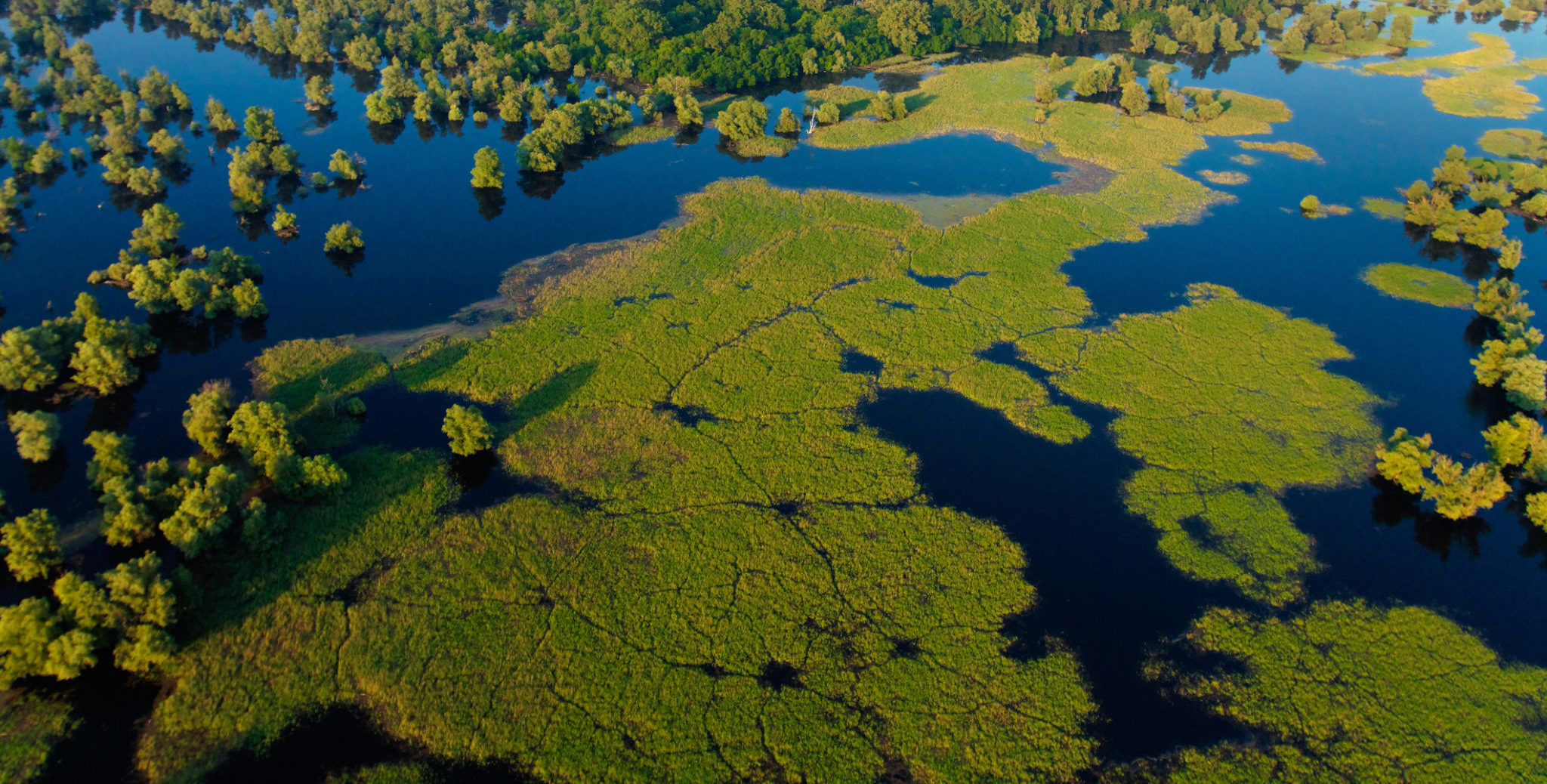
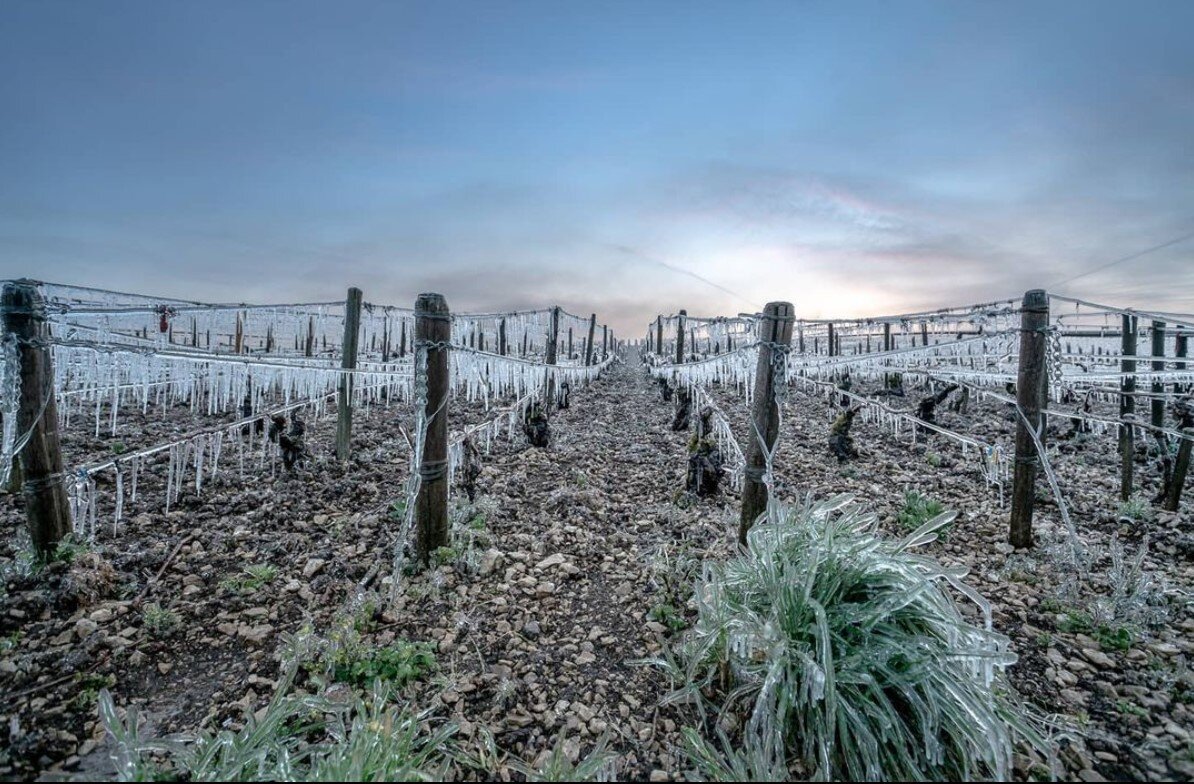
As the frequency and severity of extreme droughts, flooding and storms continues to rise across the globe, the impact of losing a season’s crop can be catastrophic for farmers in less developed regions of the world.
Often resulting in a rise in poverty as these smallholder farmers rely heavily on their ability to farm in order to live.
In response to this, “Nigeria has made a bold commitment to support all smallholder farmers in enhancing their incomes and food security, through crop insurance beginning with 2.5 million in 2015 and is seeking evidence-based solutions to follow through on it,” explains Débísí Àràbà, Team Leader of the Environment and Climate Change Unit, Office of the Honourable Minister of Agriculture and Rural Development, Nigeria.
Expanding on this Nigeria hopes that by 2017 it will provide agriculture insurance protection to 15 million of its smallholder farmers.
The CCAFS report offers a comprehensive look at current weather-based index insurance projects, as mentioned previously in this article, while exploring key elements to ensure the success of a proposed scheme.
“For an index insurance project to be successful, an index must be robustly designed so that it protects a farmer against the targeted risk and correlates well with losses,” states the report.
An investment in the education of farmers is also a vital element to the success of such a scheme; this is stressed throughout the study and determined as a key reason previous projects, like ACRE, R4 and the WBCIS have been a positive establishment.
Reinsurers like Munich Re and Swiss Re have backed and promoted weather-based index insurance protection schemes for some time now, and strengthening “links between insurance companies, reinsurers, scientists and the clients is not a trivial task,” notes the CCAFS.
Insurers, reinsurers, insurance-linked securities (ILS) and even catastrophe bond players are increasingly looking for ways to diversify, often with a keen eye on emerging markets.
As the market is currently flooded with traditional and non-traditional reinsurance capital, the deployment of some of this into new schemes, like Nigeria’s potential agriculture solution, would be hugely beneficial to all parties.
Index-insurance, while currently a low-value policy market, will require reinsurance cover as it grows into a much larger pool of risk and policy values increase. As such, providing capital to back new index-insurance initiatives is attractive for both traditional reinsurers and capital markets players that are looking to expand their reach.
These weather-index insurance schemes are helping to increase insurance penetration globally, and with much of the risk in these schemes directly linked to weather measurements, through parametric indices, it is easy to envisage a time when instruments used to reinsure the schemes will be parametric in nature as well.
To conclude, co-author of the report and lead researcher on managing short-term climate risk for the CCAFS programme, Dr. Jim Hansen said; “The huge growth in the number of farmers who have chosen to purchase index insurance in recent years suggests that the programs we reviewed have targeted a real need, and are finding effective solutions to the challenges to providing useful insurance to smallholder farmers at a scale.”
Source - http://www.artemis.bm