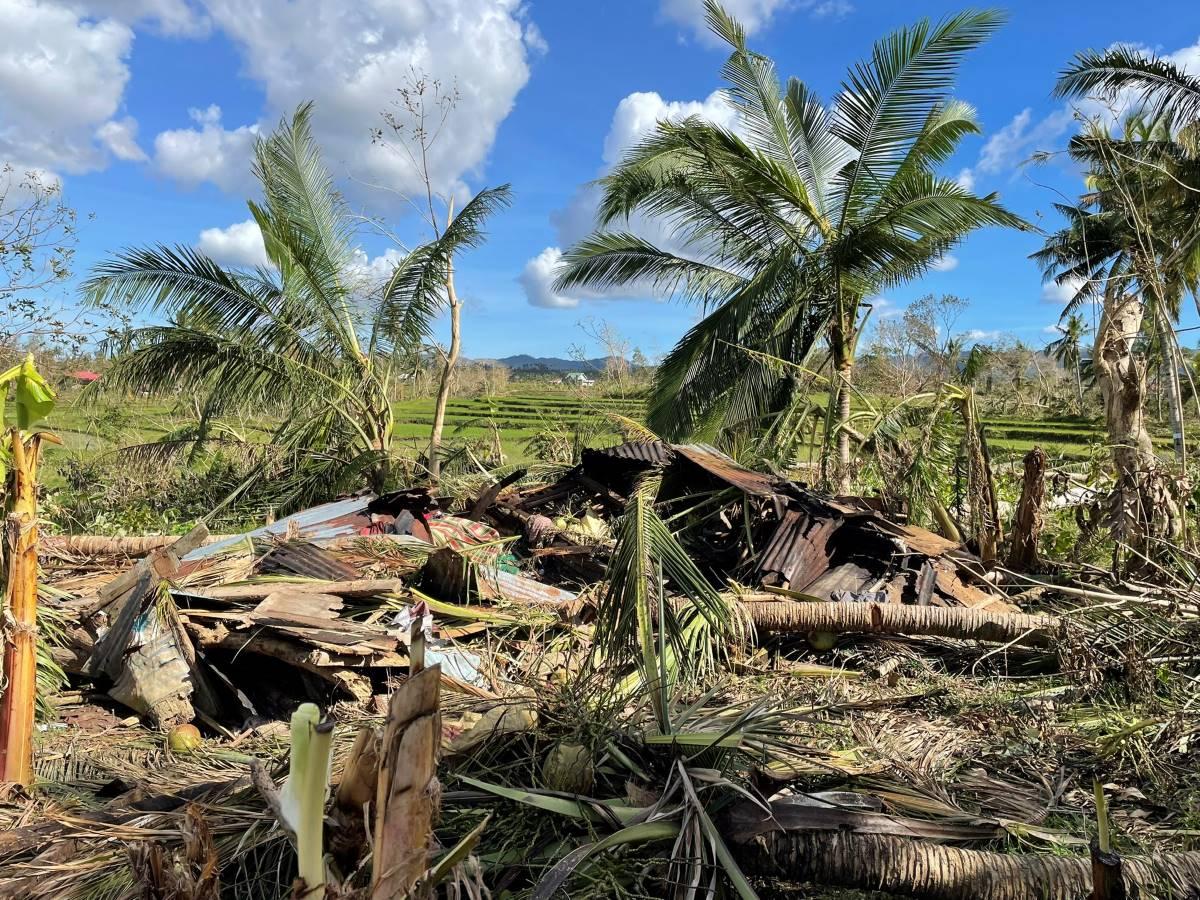
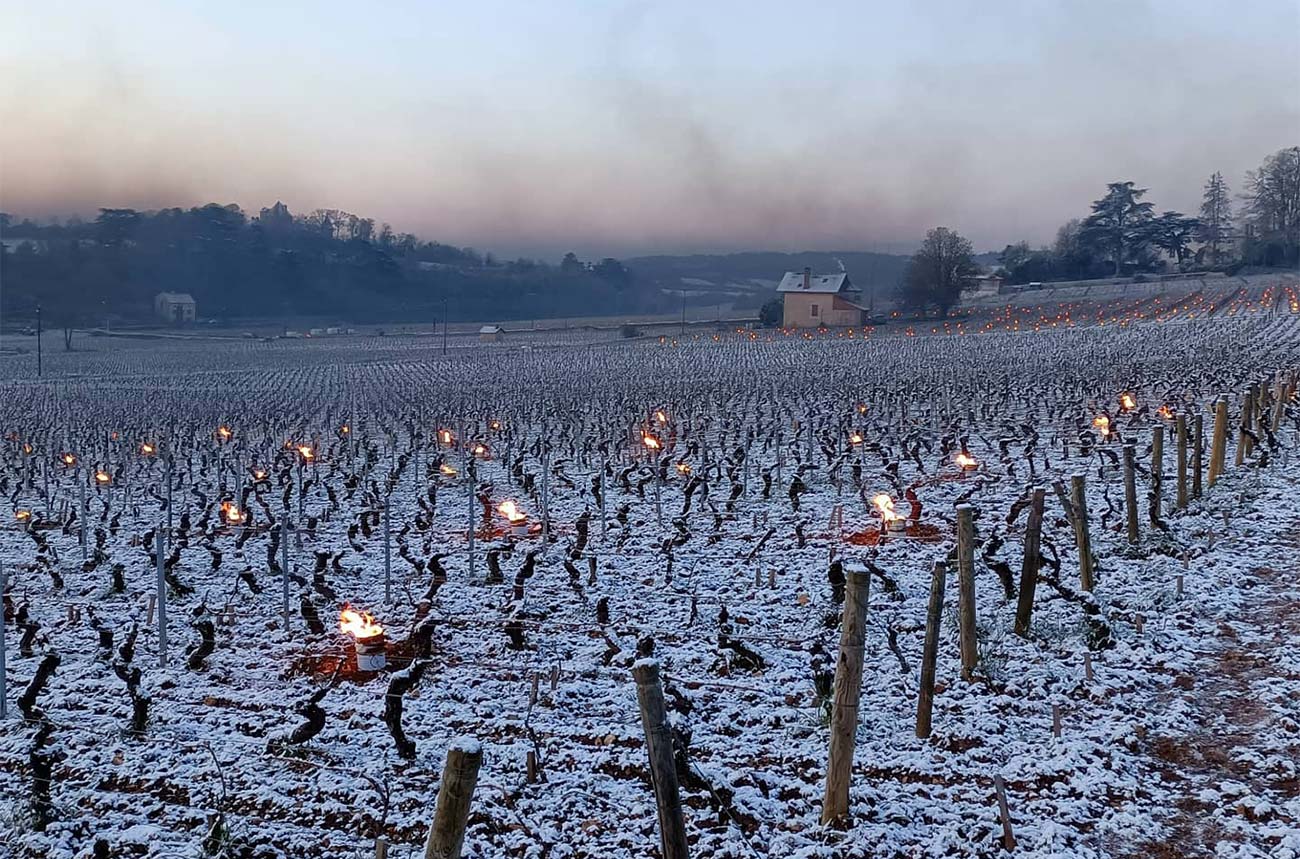
The damage caused by the latest wave of bad weather was bigger than anticipated, so much so that the Emilia-Romagna region doubled the funds allocated and the state of emergency was requested.
In some areas, over 100 millimetres of rain were recorded and, in the coastal areas, the wind reached 100 km/h. Where it snowed, between 25 and 70 cm were recorded. Last but not least, there was a black-out, which lasted a few days in some areas thus damaging production plants.
Roberto Vancini, technician from Phyto Services, said that "at least sowing had yet to start, though implants and structures were damaged, especially in the southern Ferrara area. It is still too early to make an assessment, as we will not know whether the plants have been damaged or not for another couple of months."
In Reggio Emilia, the worst damage was caused by the snow and the black out: some greenhouses and warehouses collapsed and many had to do without electricity for days. Antenore Cervi, president of Cia Reggio Emilia, explained that "the situation is unacceptable: in addition to the damage caused by the weight of the snow, we have to deal with the additional costs of the black out."
The Bettolino cooperative adds that "some greenhouses collapsed in just a few hours and others are severely damaged. We tried saving what we could but it was very difficult. We are now trying to sort out things and start shipping what's left of the produce."
"We were finally starting to get back on our feet after a difficult 2014, so what happened was the last thing we needed. We can't surrender now though, as the less fortunate people that usually help us count on us."
Luckily, at least, the snow came before sowing time, especially where onions are concerned. "The onions that are usually sold between late May and June were sowed in autumn, so there shouldn't be problems as snow generally protects them. Sowing for onions sold in August is usually carried out between mid-February and March, so there's still time," explains Matteo Freddi.
A lot will depend on the weather over the next few days, though, as "two things could happen: if it rains, it means temperatures are higher and so the snow will melt and we will be able to prepare the land for sowing. If it snows again, though, we will have to wait."
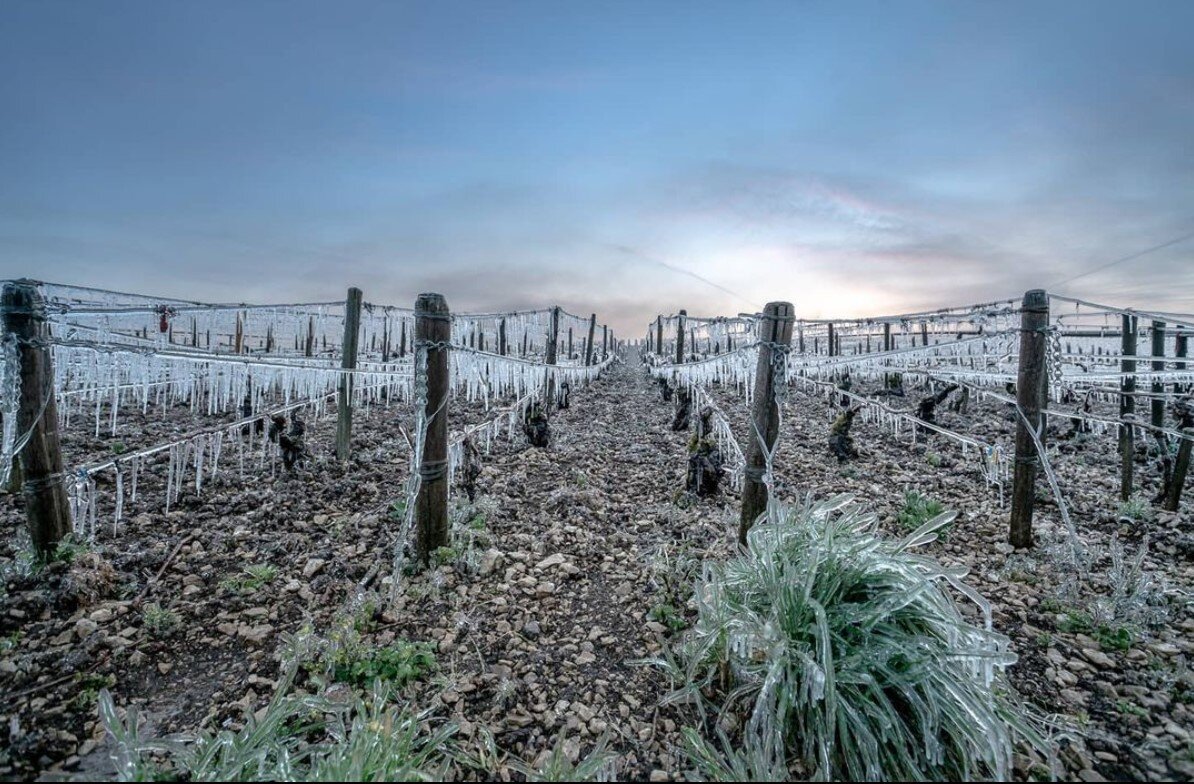
Coldiretti announced that "there are already millions of euros worth of damage as crops and greenhouses were destroyed and plots and companies were flooded. In addition, the drop in temperatures may cause damage to winter crops such as cabbage, Savoy cabbage, chicory, artichokes and broccoli."
In the Modena area, the same that was hit by the earthquake in 2012, "the snow destroyed those hangars that were built to store equipment after the earthquake as well as many greenhouses that were ready for strawberry transplants."
In Emilia and in Ferrara, the most critical situation "is in the fields, as the rain and the snow increased the level of rivers, which cannot reach the sea because of the wind and the tides. Thousands of hectares are flooded."
Source - http://www.freshplaza.com