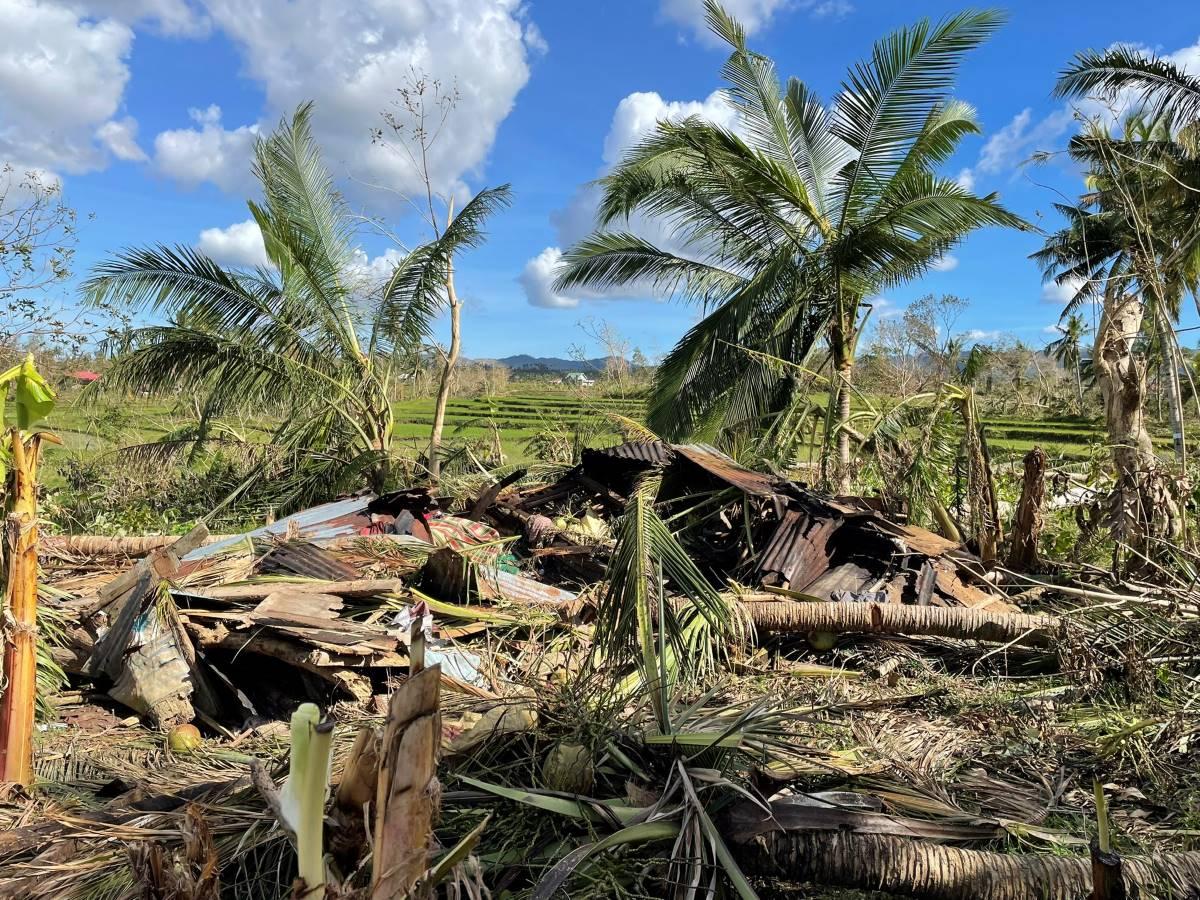
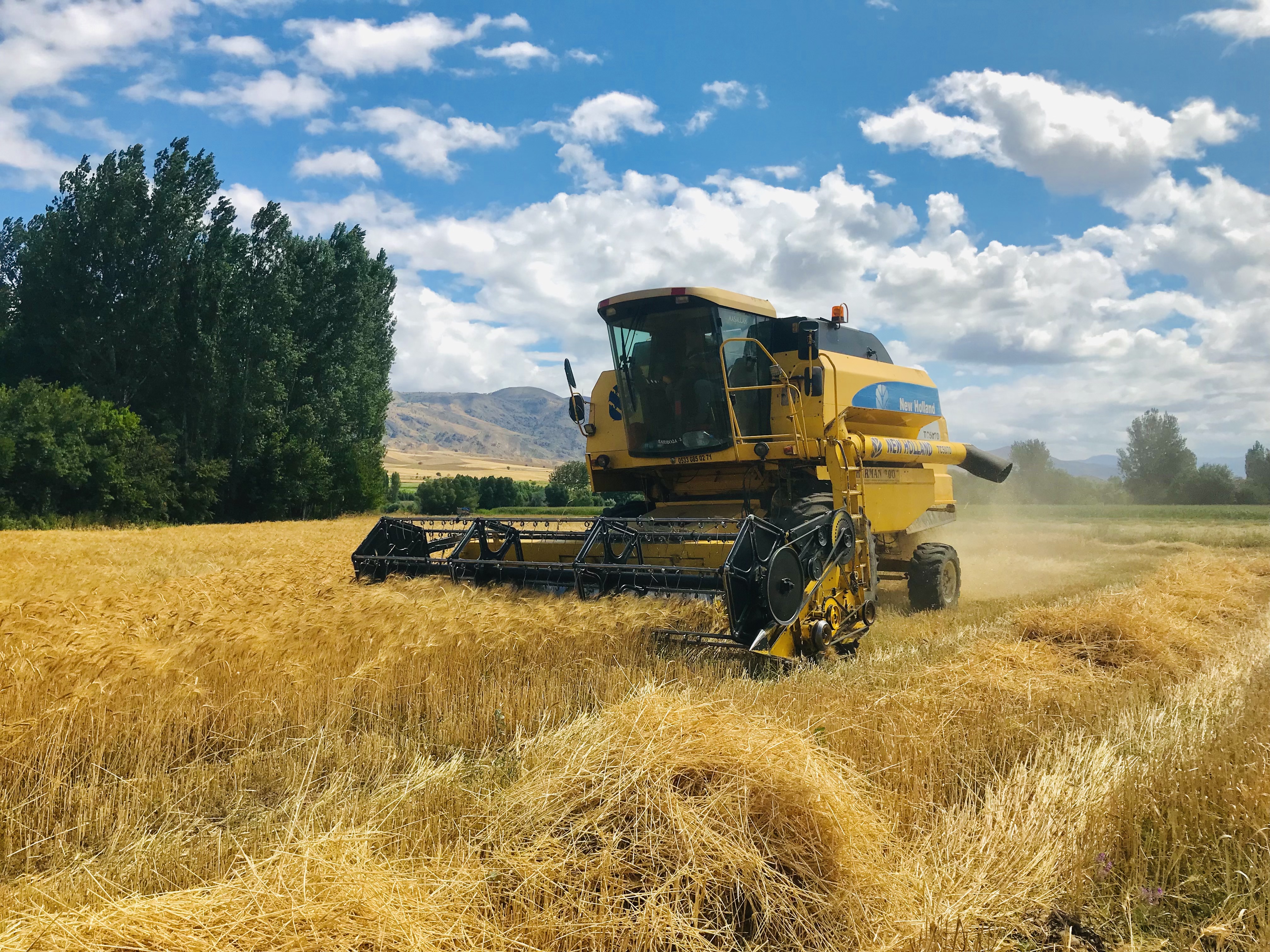
Wheat, canola and some smaller Kansas crops had a difficult year in 2014, but overall payouts are on track to be smaller than in recent years.
Not all 2014 claims have been processed yet, according to the U.S. Department of Agriculture, but the total for Kansas isn’t likely to rise substantially from $602 million in claims paid so far. That would be down dramatically from $956 million in claims in 2013, $1.4 billion in 2012 and $1.1 billion in 2011.
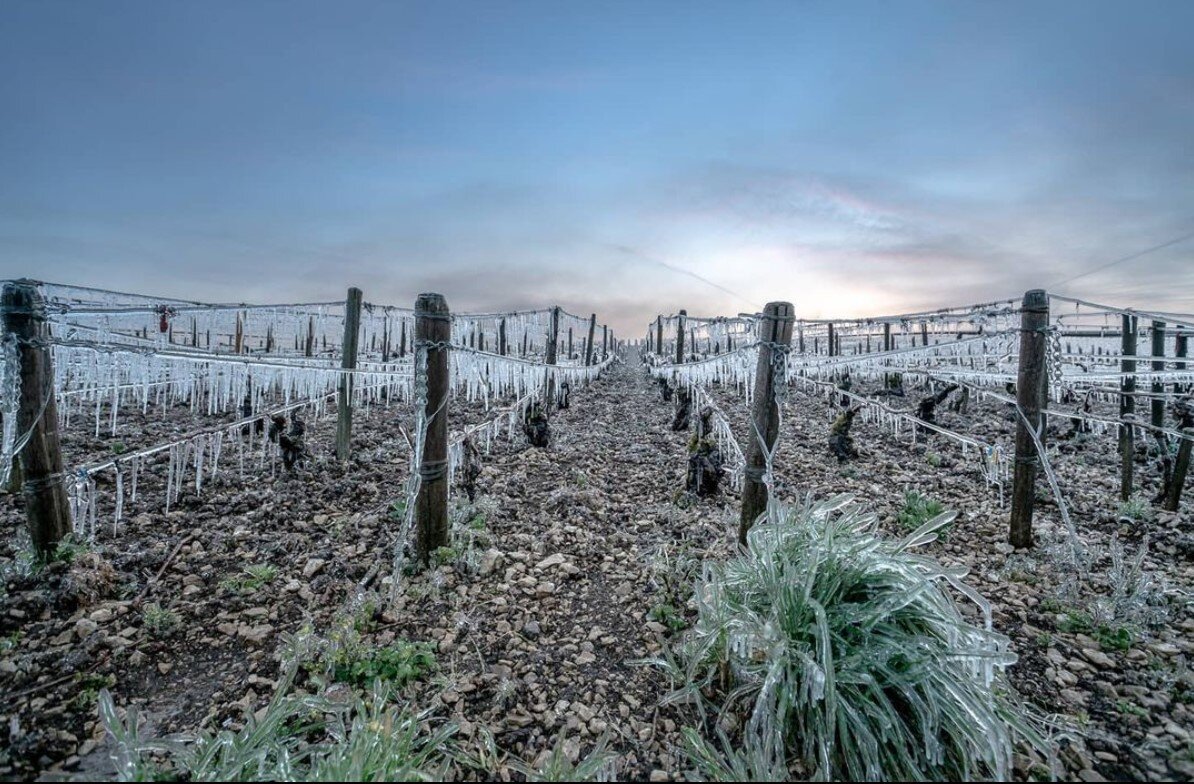
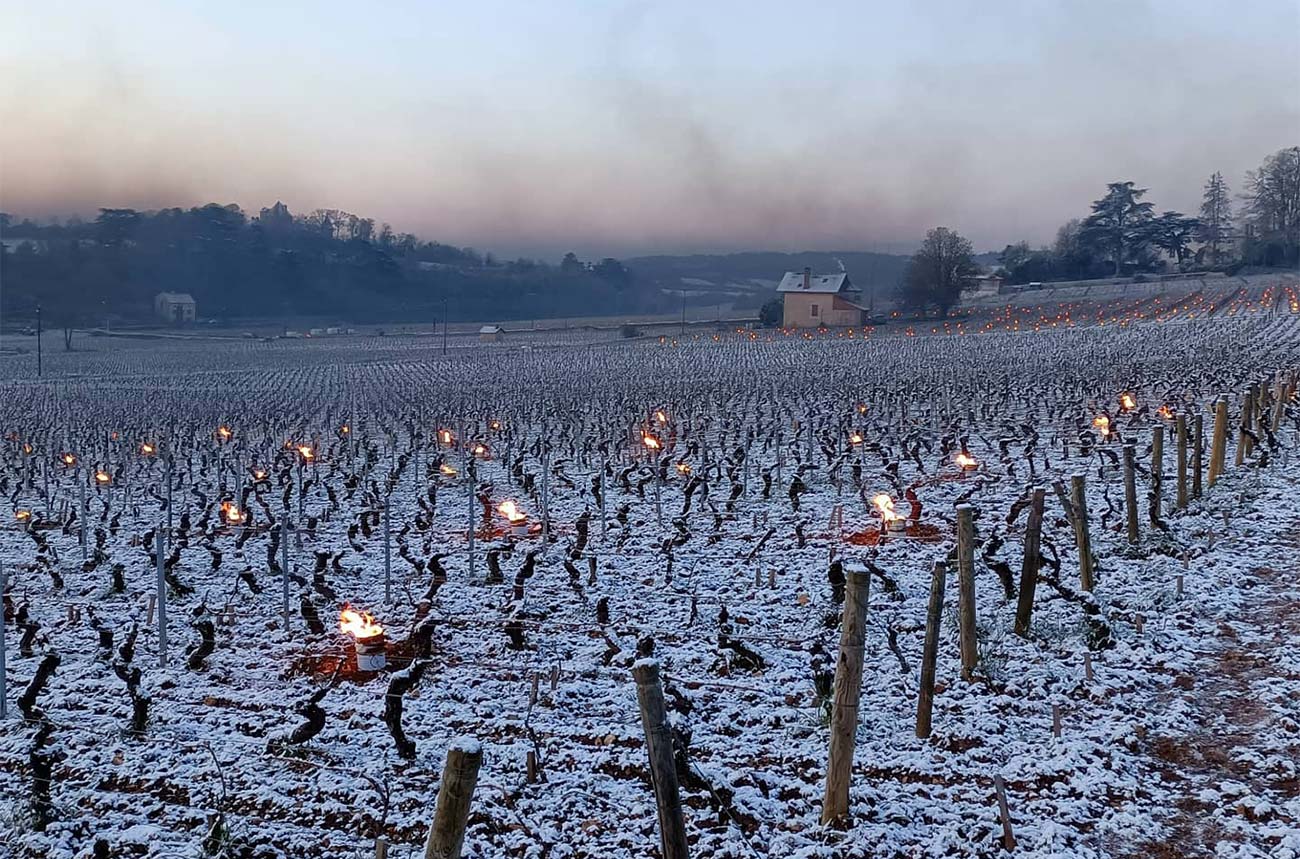
Crop insurance guards against losses to bad weather, natural disasters and insects or disease, provided the damage wasn’t due to the farmer failing to spray properly. Another type of crop insurance pays farmers if prices fall below a certain level, perhaps due to bountiful harvests in the U.S. and abroad.
Wheat’s nearly $399 million losses made up more than half all claims in 2014. Dalton Henry, director of governmental affairs for the Kansas Association of Wheat Growers, said the high claims for wheat were due to poor weather conditions during planting: a cold and dry winter and rains that kept farmers from harvesting their crop before it was ruined.
“2014 was the smallest wheat crop and yield that Kansas wheat farmers have seen since, I think, 1989,” he said.
Corn, grain sorghum and soybeans followed wheat distantly in dollars paid out, but raw dollar amounts don’t tell the full story. Kansas grows so many acres of corn, soybeans and grain sorghum compared to most other crops that they are likely to be at the top even in years when farmers get a relatively healthy crop and prices don’t fall drastically.
After comparing the amount spent on premiums to the amount paid out, it appeared 2014 was hardest for canola, dry beans, barley, wheat and apiculture, which is more commonly known as beekeeping. Crop insurance paid out more in claims for those crops than it took in as premiums, though some, like apiculture, have so few insured producers that their impact on the bottom line is minimal.
The program at least broke even on all other Kansas crops, and as a whole it paid out $602 million of the $668 million in premiums collected. Even if it didn’t break even in Kansas in a particular year, the program wouldn’t be in danger, however, because USDA collects premiums and pays out claims in all 50 states. Losses in Kansas exceeded premiums from 2011 to 2013, as the state was hit by a major drought.
Many farmers don’t have to pay the whole cost of their insurance. Subsidies covered about $403 million of the $668 million in premiums paid in Kansas in 2014. They often cover at least half of a farm’s premiums, though subsidies vary by farm type and taper off as the farmer chooses to purchase more insurance.
Crop insurance doesn’t cover all of a farmer’s losses, either. The farmer can choose to insure a certain percentage of his or her farm’s average yield, which is calculated over multiple years. If the corn farmer buys insurance for 70 percent, for example, crop insurance won’t pay out if the farm’s yield is 80 percent of the average. Most farmers don’t choose to insure 100 percent of the average yield, because the cost of doing so is too high.
Henry described crop insurance as a “safety net” to allow farmers to keep operations going after a tough year. Payouts helped wheat farmers, he said, but didn’t eliminate the financial pain from 2014’s losses.
“Crop insurance is never going to make a producer whole,” he said.
Some changes coming this year will help farmers to recover faster from a bad year, Henry said. One significant provision is allowing farmers to drop “catastrophic” years from their 10-year averages, he said. If an entire county produces yields that are less than half of its normal average due to weather or other natural factors, it counts as a catastrophic event.
That is significant because the 10-year average determines how much a farmer can insure, Henry said. Before that change, one or two abnormally bad years would mean farmers could only insure a smaller percentage of the crop they normally would expect. Fortunately, that provision will be retroactive, so the 2014 harvest won’t hurt wheat farmers going forward, he said.
“It will allow a producer’s coverage to better match their production expectations,” he said.
Source - http://cjonline.com