Heat built over the southern portion of the State as high pressure anchored over the area. Weak Santa Ana wind events drove highs into the lower 90s across the Los Angeles basin on multiple days last week. Elsewhere, the State felt the effects of the high, but these were much less pronounced. Temperatures varied considerably in a real sense, but almost none in the temporal sense, as locations saw essentially the same weather every day. Highs in the valley reached the 60s and 70s each day, while the coasts north of San Francisco and the mountains saw 50s. The desert had similar temperatures to the Los Angeles basin, with highs in the 80s. Lows showed a similar distribution: 40s in the valley and for the northern coast, 50s for the southern coast and desert. The difference was in the mountains, where minimums routinely dropped into the 20s and 30s, and the coldest locations dropped into the single digits. Monday was the only day this week where rain fell on portions of the State, and even this was scattered and light in nature. The rain fell on the northern portions of the State that are much less affected by the drought. With hot temperatures in the southern part of the State and the "wet" season entering its twilight stages, conditions look to only get worse. Warm temperatures continued to erode the meager snowpack in the mountains.
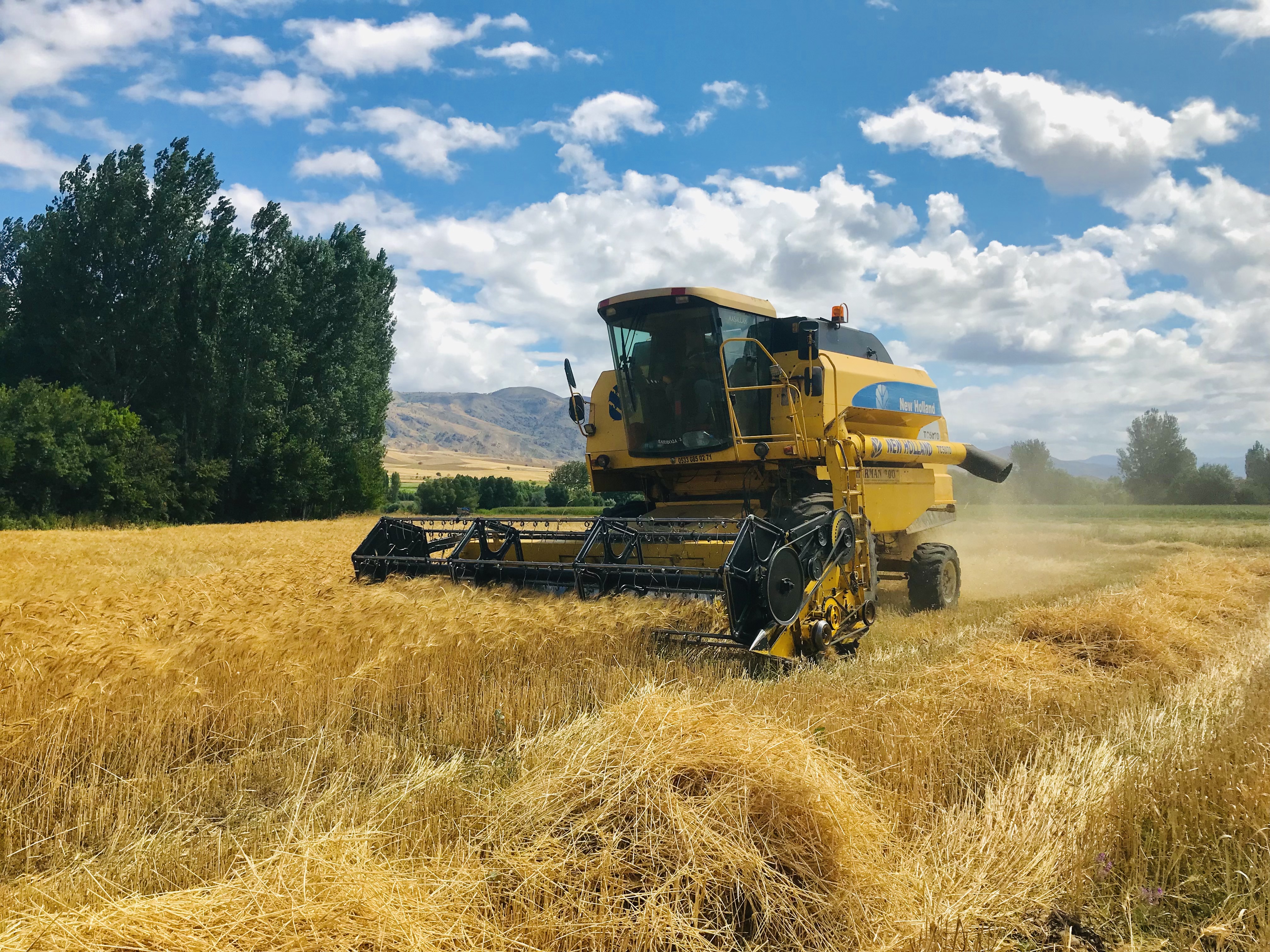
FIELD CROPS: Wheat, oats, and other winter forage crops continued to grow well; the past weekend’s storms were beneficial. Still, some growers were irrigating to make up for the lack of rain. Alfalfa fields were being cultivated and planted. Field preparations continued for spring planting. Hay alfalfa was starting early and was showing early growth due to warm weather. The wheat crop was rated as 85 percent good to excellent. Pasture and rangeland condition was 55 percent poor to fair.
FRUIT CROPS: Pruning and shredding continued in tree fruit and nut orchards. Unseasonably warm temperatures caused a few early variety stone fruit orchards to bloom. Fungicide applications were applied to protect the blooms. Grapevines were pruned and tied. Pre-emergent herbicide applications continued in fruit tree orchards and vineyards. Kiwifruit, Navel oranges, Cara Caras, Moro Bloods, Minneolas Tangelos, and lemons were packed and exported. Navel orange trees were topped in advance of the bloom. Seedless Mandarins and Murcotts were covered with netting to prohibit cross pollination. Olive trees were pruned.
NUT CROPS: Early varieties of almonds were reported in full bloom. Pistachio and walnut pruning continued in nut orchards across the central portion of the State. Almonds, pistachios, walnuts, and pecans were exported.
VEGETABLE CROPS: In Sutter County, weed control and field preparation for processing tomatoes continued.
In Monterey County, planting continued for the first crop of lettuce and brassicas. There was no harvesting, but plenty of field work was performed. In Fresno County, spring planting of vegetables started. The dry conditions were conducive to early ground preparation. In Tulare County, fields continued to be prepared for spring and summer planting.
Early varieties of summer vegetables (tomatoes, cucumbers, squash and eggplant) were germinated in greenhouses. The spinach and broccoli fields were progressing well.
LIVESTOCK: Rangeland feed conditions improved with the recent rains. More rain is needed to help germination and long term development of foothill grasses and forbs. Optimal weather conditions have increased dairy production. Local and interstate hives have been placed in almond and fruit orchards for pollination.
Source - http://www.turlockjournal.com