Voracious beetles, mammoth weeds and mushrooming fungi. Climate change is delivering farm conditions that allow weeds, insects, and plant pathogens to thrive around the globe. Why does this matter?
Roughly 40% of crops are lost annually to new pests or stalwart species resistant to traditional crop protection treatments. That percentage loss translates to a tremendous amount of desperately needed food that never makes it off the farm and farmers who, simply put, lose money.
Innovation is needed to protect our global food chain and farmer livelihoods without harming the earth. Just like people, plants get sick. Eliminating the cause of the sickness – whether it be a fungus, beetle or weed – without harming anything around it is the next crucial step in the digital revolution that is already making a difference in agricultural productivity.
Plant pests have and continue to adapt to changes in their environments with devasting agricultural consequences. We talk a lot about plant pests that have developed resistance to crop protection treatments but we know that pests can adapt to any change that impacts their reproductive success.
Some examples of plant pests adapting to change include the adaptation of corn rootworm to crop rotation in North America, the elimination of cultivation of the Gros Michel banana due to the impact of Panama wilt disease in Central America and the adaptation of barnyard grass that mimics rice plants and therefore escapes detection in response to generations of hand-weeding, in Asia.
Climate change will impact the environments where crops and their pests live, and we can expect that pests will quickly adapt to these changes, creating new challenges for their management.
Climate change and the escalating threat of crop pests
Warmer temperatures and higher CO2 concentrations will enhance the ability of some weeds to compete with crops and increase the threat posed by plant pathogens. Temperature increases will lead to more generations of insect pests and expansion into new geographical areas as environmental conditions become more favourable.
All of this is happening at a time when it is taking longer and costing more to bring new crop protection chemistries to the market. Barriers to innovation leave growers using products that have been on the market for decades when new, safe and effective products are desperately needed.
We must accelerate the discovery and development of new crop protection chemistries to bring affordable solutions to growers and meet the challenges that climate change will bring.
AI is revolutionizing drug discovery and can do the same for the discovery and development of crop protection chemistries.
AI can be viewed as an agricultural superhero of sorts. It provides scientists with the tools needed to explore the untapped, vast diversity of chemical space by rapidly and efficiently directing them to the most promising molecules.
When AI is applied to data, like that from screening of DNA-encoded chemical libraries, the most promising molecules can be rapidly identified from the billions of molecules contained within them. Training machine learning models on these data further expand the chemical diversity from which to select molecules to the billions of molecules in ultra-large, make-on-demand libraries.
Accelerating crop protection with AI-driven innovation
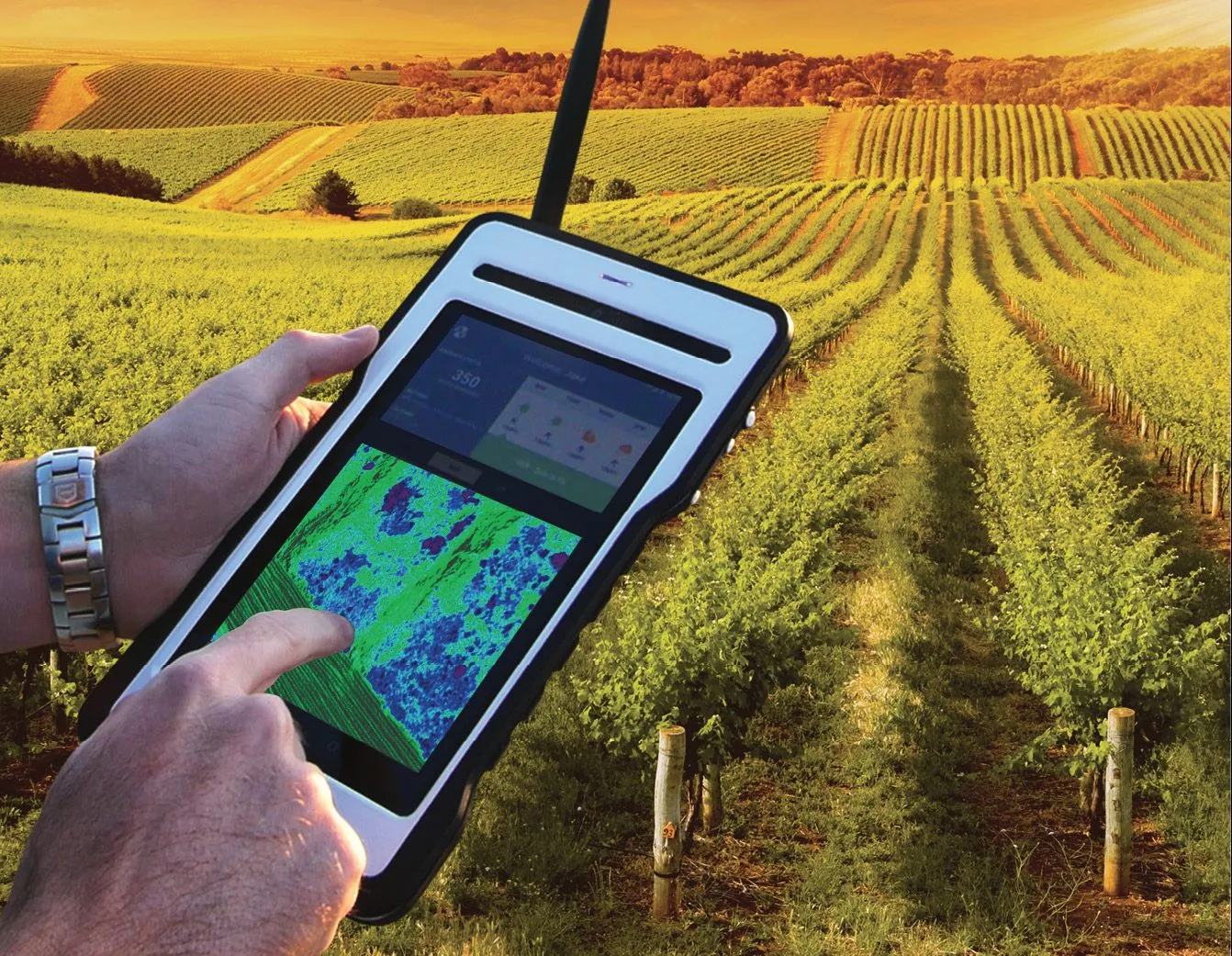
Scientists are already using these digital tools to rapidly discover and develop pre-screened novel molecules that effectively control crop pests and are earth-friendly, meaning safe for the crop, people and the environment.
Once tested and approved by regulatory bodies, new, safer products can be leveraged to fight the plant pests that emerge from our ever-changing climate. So why has there been so little innovation in crop protection over the years? Cost and time.
Traditional research methods involve guessing and testing possible products over the years in labs, greenhouses and fields. That takes millions of dollars in facilities and staff. It can take 12 years from start to finish (clearance for use by government regulatory agencies) and very few products get there.
Digital discovery and screening strip years from the discovery process and ensure that the products being advanced towards commercialization have the best chance of clearing every hurdle. Nimble, AI-powered techniques also cost far less – a winning combination against the most adaptable crop pest threats.
Researchers today are focused on providing solutions to some of the world’s largest threats to agriculture. My vision is that new AI technologies will accelerate the discovery of products to fight new pests and diseases while lowering the cost.
This acceleration would enable us to feed all pockets of the world, addressing unique concerns more rapidly as they arise and allowing us to provide solutions in the interest of food, even concerns with lower economic potential, a little like orphan drug research, to continue the drug discovery analogy.
Source - https://www.weforum.org