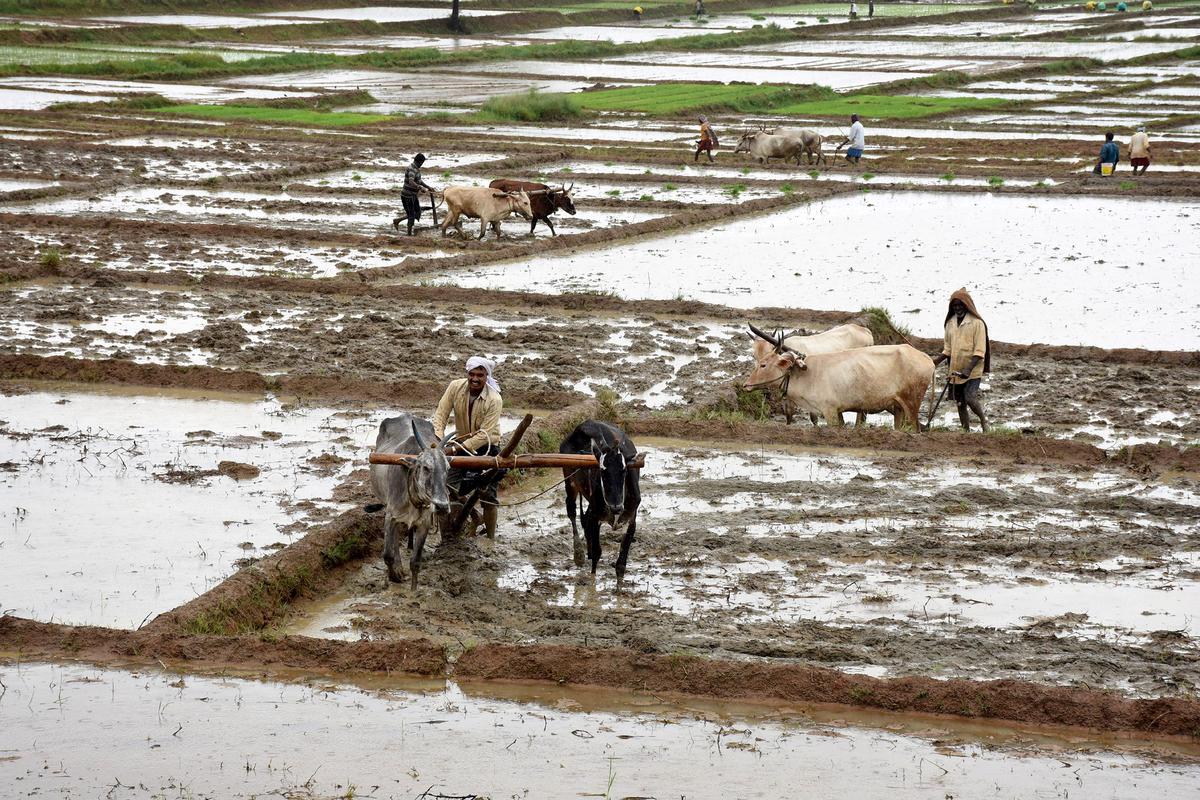
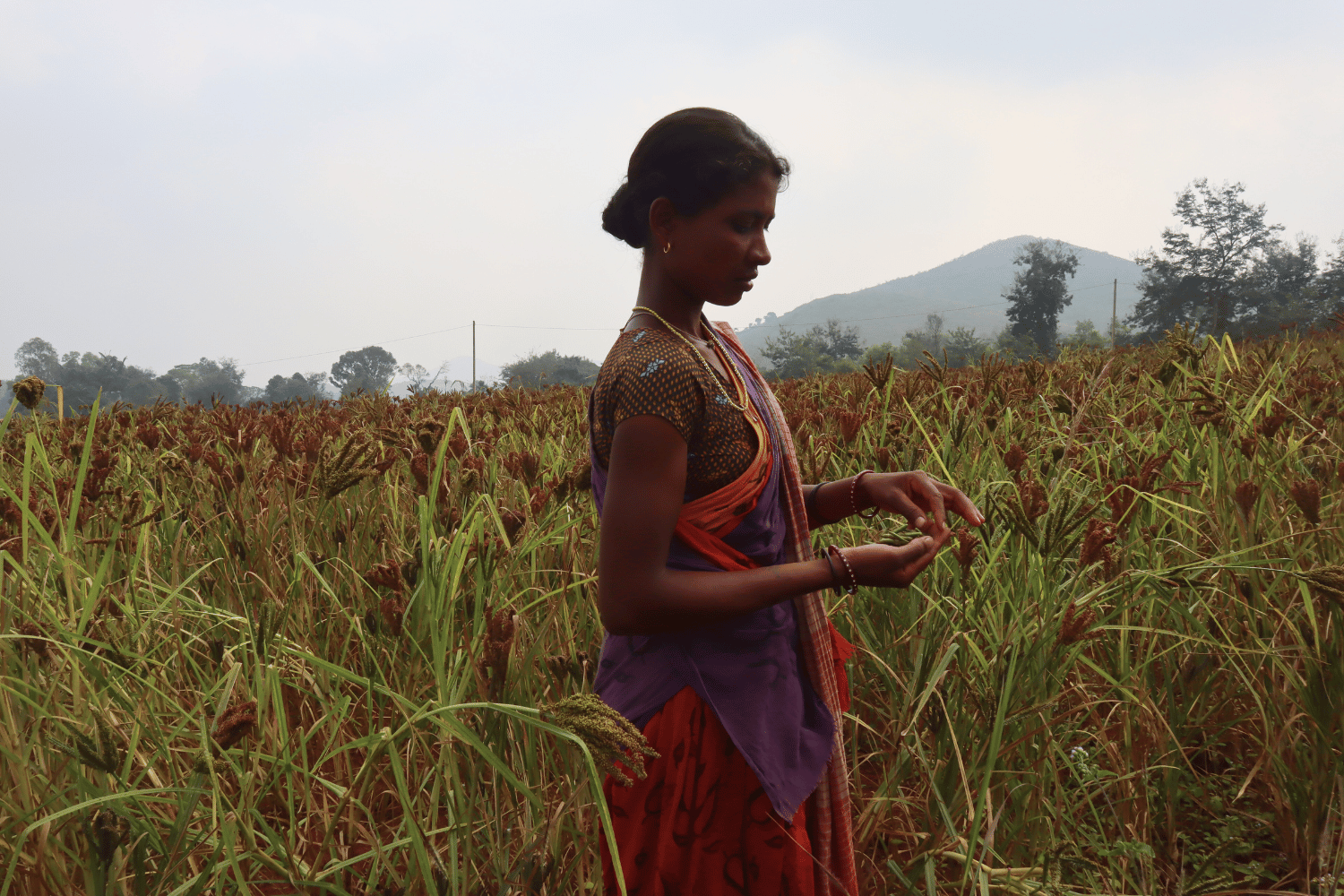
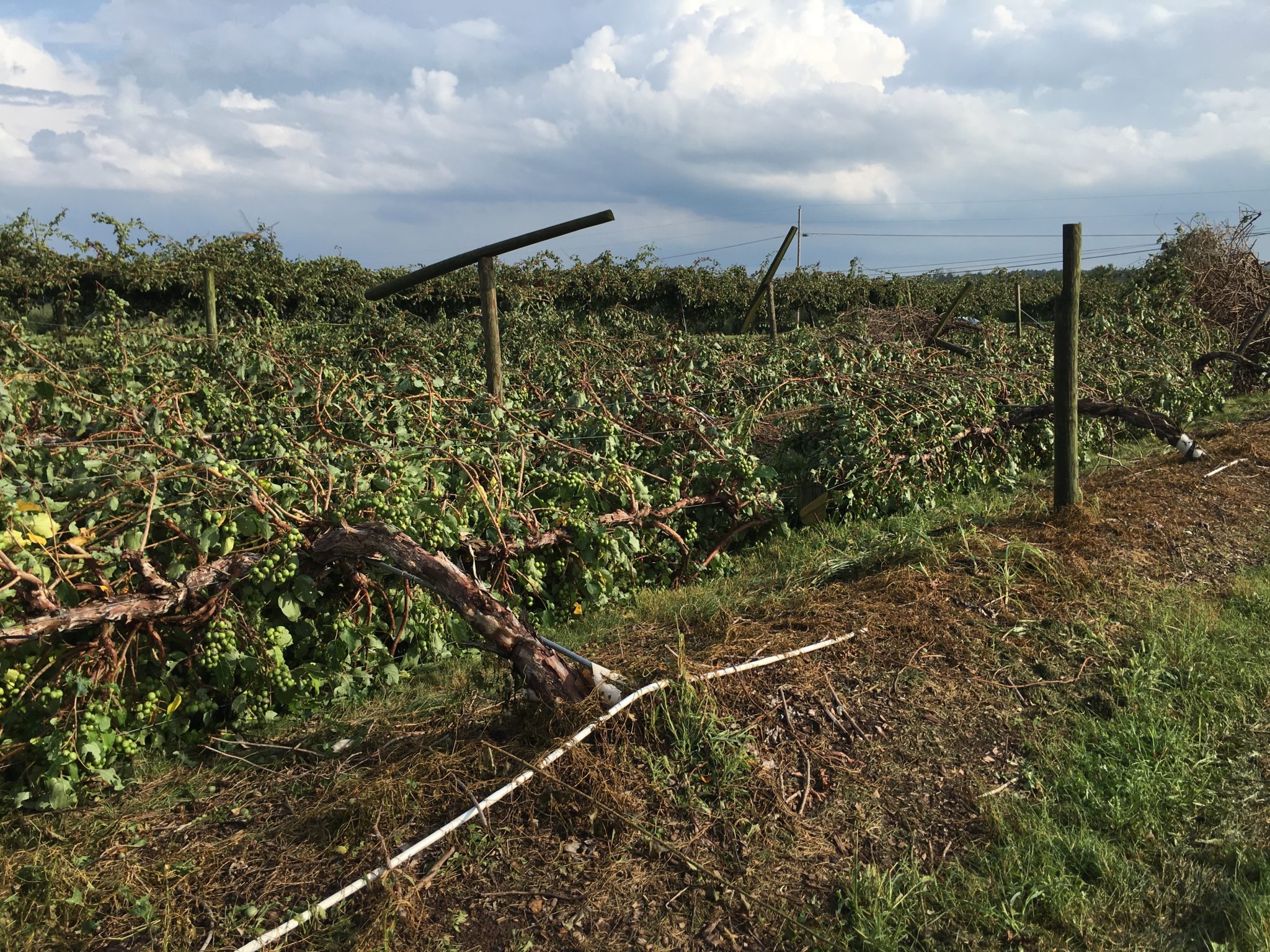
Agricultural innovation has emerged as a pivotal force in transforming the agricultural landscape, particularly in developing regions such as Africa and Latin America. The Agricultural Innovation MKTPlace serves as a dynamic platform that connects farmers, researchers, and investors, facilitating the exchange of ideas, technologies, and resources. This initiative aims to enhance productivity, sustainability, and resilience in farming practices by leveraging cutting-edge innovations.
By fostering collaboration among various stakeholders, the MKTPlace not only addresses the immediate challenges faced by farmers but also paves the way for long-term agricultural development. The integration of technology into agriculture is not merely a trend; it is a necessity for ensuring food security and improving livelihoods in regions that are often vulnerable to climate change and economic instability. The significance of the Agricultural Innovation MKTPlace extends beyond mere technological advancement.
It embodies a holistic approach to agricultural development that emphasizes inclusivity and accessibility. By providing a platform where farmers can access vital information, training, and financial resources, the MKTPlace empowers them to make informed decisions about their farming practices. This empowerment is crucial in a world where smallholder farmers often struggle with limited access to markets and resources.
The MKTPlace acts as a bridge, connecting these farmers with innovative solutions that can enhance their productivity and sustainability. As we delve deeper into the importance of grants for African and Latin American farmers, it becomes evident that financial support is a critical component of this innovation ecosystem.
Key Takeaways
- Agricultural innovation is crucial for the development of African and Latin American farmers, as it can lead to increased productivity, sustainability, and resilience in the face of climate change.
- Grants play a vital role in supporting agricultural innovation for farmers in Africa and Latin America, providing them with the necessary resources and funding to implement new technologies and practices.
- Agricultural innovation grants can benefit farmers by enabling them to access new and improved seeds, tools, and techniques, as well as training and education to enhance their skills and knowledge.
- The application process for agricultural innovation grants typically involves a thorough review of the farmer’s proposal, including the potential impact of the innovation on their farm and community.
- There are numerous success stories of farmers in Africa and Latin America who have greatly benefited from agricultural innovation grants, leading to increased yields, improved livelihoods, and sustainable farming practices.
- The future of agricultural innovation grants for African and Latin American farmers looks promising, with continued support and investment expected to drive further advancements in the agricultural sector, ultimately benefiting farmers and their communities.
The Importance of Grants for African and Latin American Farmers
Supporting Agricultural Innovation in Africa and Latin America
Grants play a vital role in supporting agricultural innovation among farmers in Africa and Latin America. These financial resources provide much-needed capital for smallholder farmers who often lack access to traditional financing options such as loans or credit. In many cases, these farmers operate on tight budgets and face numerous challenges, including fluctuating market prices, climate-related risks, and limited access to technology.
Alleviating Pressures and Encouraging Innovation
Grants can alleviate some of these pressures by offering funds that do not require repayment, allowing farmers to invest in new technologies, improve their infrastructure, or adopt sustainable practices without the burden of debt. This financial support is particularly crucial in regions where agricultural productivity is vital for economic stability and food security. Moreover, grants can serve as a catalyst for innovation by encouraging farmers to experiment with new techniques and technologies.
Empowering Farmers to Maximize Impact
With the financial backing provided by grants, farmers can take calculated risks that they might otherwise avoid due to financial constraints. This willingness to innovate can lead to the adoption of more efficient farming practices, improved crop yields, and enhanced resilience against environmental challenges. Additionally, grants often come with technical assistance and training components, further empowering farmers to maximize the impact of their investments.
A Transformative Role in the Agricultural Landscape
By fostering an environment where innovation is not only encouraged but also financially supported, grants play a transformative role in the agricultural landscape of Africa and Latin America.
How Agricultural Innovation Grants Can Benefit Farmers

Agricultural innovation grants offer a multitude of benefits that extend beyond mere financial assistance. One of the most significant advantages is the opportunity for farmers to access advanced technologies that can revolutionize their farming practices. For instance, grants can facilitate the acquisition of precision agriculture tools, such as soil sensors and drones, which enable farmers to monitor crop health and optimize resource use more effectively.
By adopting these technologies, farmers can increase their productivity while minimizing waste and environmental impact. This shift towards more sustainable practices is not only beneficial for individual farmers but also contributes to broader efforts aimed at achieving food security and environmental sustainability. In addition to technological advancements, agricultural innovation grants often promote knowledge sharing and capacity building among farmers.
Many grant programs include training workshops and educational resources that equip farmers with the skills needed to implement new practices successfully. This emphasis on education ensures that farmers are not only recipients of financial support but also active participants in their own development. By fostering a culture of learning and innovation, these grants help create resilient farming communities capable of adapting to changing conditions.
Furthermore, the collaborative nature of many grant programs encourages networking among farmers, researchers, and agricultural experts, leading to the exchange of ideas and best practices that can further enhance agricultural productivity.
The Application Process for Agricultural Innovation Grants
Navigating the application process for agricultural innovation grants can be both an opportunity and a challenge for farmers seeking financial support. Typically, the process begins with identifying suitable grant programs that align with the specific needs and goals of the farmer’s operation. This requires thorough research into available funding sources, which may include government agencies, non-governmental organizations (NGOs), or private foundations dedicated to agricultural development.
Once potential grants are identified, farmers must prepare a comprehensive application that outlines their project proposals, including objectives, expected outcomes, and budgetary requirements. This stage often necessitates collaboration with agricultural experts or consultants who can provide guidance on crafting a compelling proposal. After submitting an application, farmers may face a waiting period during which grant committees review proposals based on predetermined criteria such as feasibility, sustainability, and potential impact.
Successful applicants are then notified and may be required to attend interviews or provide additional documentation before receiving funding. It is important for farmers to remain engaged throughout this process, as effective communication with grant administrators can enhance their chances of success. Additionally, once funding is secured, grantees must adhere to reporting requirements that track progress and demonstrate accountability for how funds are utilized.
This structured approach not only ensures transparency but also fosters a culture of responsibility among grant recipients.
Success Stories of Farmers Who Have Benefited from Agricultural Innovation Grants
The impact of agricultural innovation grants can be vividly illustrated through success stories from farmers who have transformed their operations with the help of these financial resources. For instance, in rural Kenya, a group of smallholder farmers received a grant aimed at promoting sustainable farming practices through agroecology. With this funding, they were able to implement organic farming techniques that improved soil health and increased crop yields significantly.
As a result, these farmers not only enhanced their food security but also gained access to premium markets that value sustainably produced goods. Their success has inspired neighboring communities to adopt similar practices, creating a ripple effect that promotes environmental stewardship across the region. In another compelling example from Brazil, a cooperative of family farmers utilized an agricultural innovation grant to invest in solar-powered irrigation systems.
This technology allowed them to efficiently manage water resources during dry seasons, leading to increased productivity and reduced dependency on traditional water sources. The cooperative’s success not only improved individual livelihoods but also contributed to local economic development by creating jobs in the community related to maintenance and operation of the irrigation systems. These stories exemplify how targeted financial support can empower farmers to innovate and adapt their practices in ways that yield tangible benefits for themselves and their communities.
The Future of Agricultural Innovation Grants for African and Latin American Farmers

Adapting to Diverse Farming Contexts
Grant programs are likely to evolve in response to these challenges by incorporating more flexible funding models that cater to diverse farming contexts. This adaptability will be crucial in addressing the unique needs of smallholder farmers who often operate under varying conditions influenced by geography, climate, and socio-economic factors.
Leveraging Digital Tools and Technologies
Furthermore, as technology continues to advance at an unprecedented pace, there will be increasing opportunities for integrating digital tools into grant programs. For instance, online platforms could facilitate easier access to information about available grants while streamlining the application process through digital submissions and tracking systems.
Fostering Collaboration and Partnerships
Additionally, partnerships between governments, NGOs, and private sector actors will be essential in mobilizing resources and expertise needed to support innovative agricultural practices effectively. By fostering collaboration across sectors and embracing technological advancements, agricultural innovation grants can play a vital role in shaping a resilient future for farmers in Africa and Latin America—one where they are equipped not only to survive but thrive amidst evolving challenges.
For those interested in agricultural development and innovation, particularly in the context of supporting farmers in Africa and Latin America, it’s essential to explore various funding opportunities that can facilitate these advancements. One such opportunity is highlighted in an article about the Agricultural Innovation MKTPlace, which offers grants specifically designed for African and Latin American farmers. This initiative is crucial for promoting sustainable agricultural practices and enhancing food security in these regions. For further reading on similar opportunities, you might find the WasteSorted Organics Infrastructure Grants in Australia relevant, as it also focuses on improving agricultural outcomes through innovative waste management solutions. This grant supports the development of infrastructure necessary for the processing and recovery of organic waste, which is a vital aspect of sustainable agriculture.
Source - https://www2.fundsforngos.org