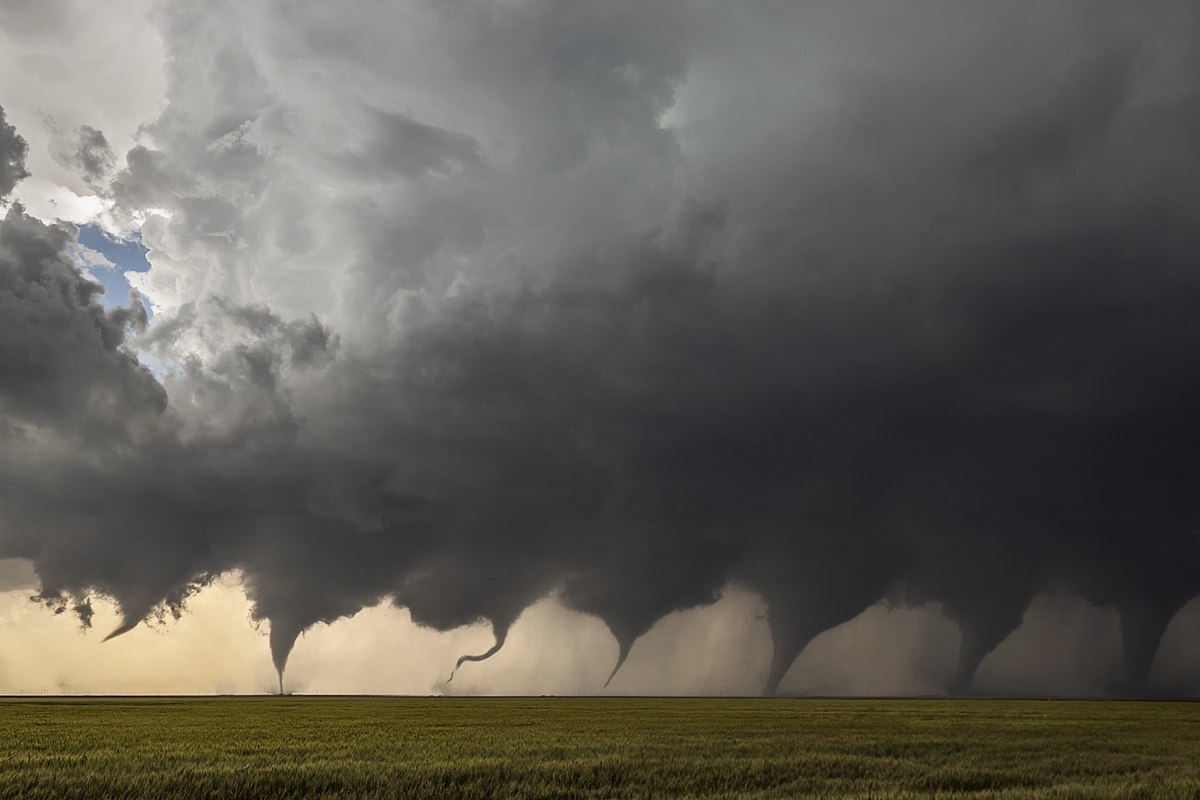
Southeast Texas farmers grappling with crop losses due to extreme weather are turning to federal aid.
Southeast Texas farmers facing crop losses from extreme weather, including a recent winter freeze, are turning to federal assistance programs for relief, though officials say the aid often covers only part of their financial setbacks.
Farmers in the region routinely deal with harsh conditions, from drought to rare freezes, that can devastate crops and strain operations. Reporter Derrick Jones explained that while federal disaster aid is available, it comes with limitations that can leave producers searching for additional support.
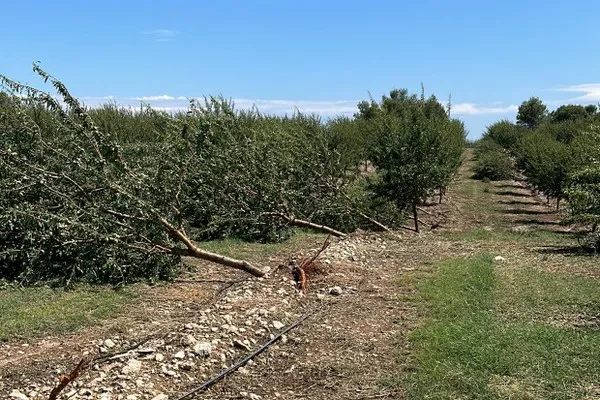
William Taylor, a Southeast Texas farmer and owner of Taylor Farms, said a recent freeze caused significant damage to his crops and resulted in thousands of dollars in losses. Without crop insurance, he said the financial burden fell entirely on him.
“I probably lost, uh, $3,000 or $4,000 total,” Taylor said. “Small produce farmers do not have insurance. You plant it. If you harvest it and make any money on it, good. If you don't harvest it and don't make any money on it, you just lost it.”
To help offset those losses, the U.S. Department of Agriculture offers several assistance programs, including support for crop damage, livestock and forage needs, and specialty operations such as honeybee producers and farm-raised fish.
Officials say some programs also help cover livestock feed costs when drought limits grazing. One of the newest efforts, the Farmer Bridge Assistance Program, is designed to provide faster financial relief to farmers dealing with disaster losses and rising input costs.
The USDA outlines several aid options, including crop loss assistance, livestock and forage programs, specialty farm coverage, and bridge payments for quick relief. According to the agency, funds from some programs can arrive within 72 hours of applying.
“Farmers are first, and we're going to do everything we can to help them regardless of whether it's a natural disaster or whether it's to help them get to the next year so they can be able to plant crops,” said Dan Hunter, state executive director of the USDA Farm Service Agency in Texas.
Even with billions of dollars already distributed nationwide, officials acknowledge that most disaster programs only cover a portion of losses. As a result, many farmers rely on a combination of insurance, federal aid and loans to stay afloat and prepare for future growing seasons.
Meanwhile, lawmakers in Washington are working on a new farm bill that could reshape how farmers are supported. The proposed 2026 farm bill includes changes to payments, crop insurance and disaster coverage, with a major focus on expanding access to crop insurance.
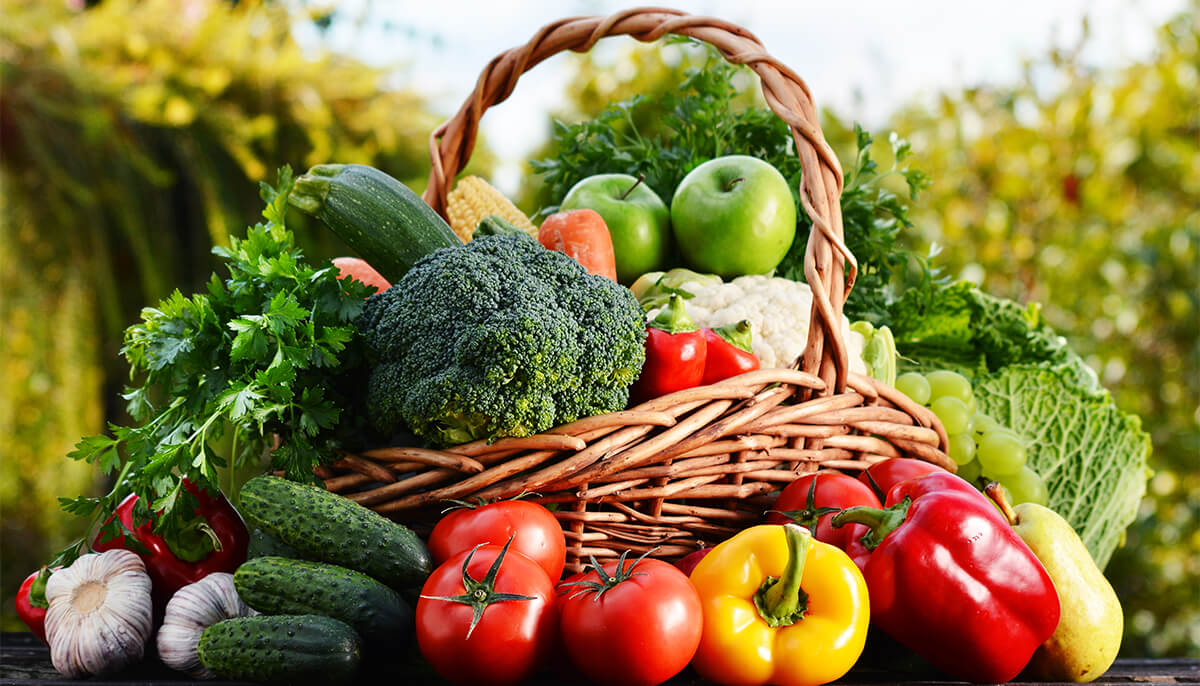
The proposal aims to better protect producers from losses caused by severe weather, market changes and other unpredictable factors. It also seeks to improve coverage for specialty crop producers, including those growing fruits and vegetables, which historically have had fewer insurance options.
“There’s no one single avenue that does everything, and that’s why we want to make sure we’re offering as many tools as we can out there for the producers,” Hunter said.
The proposed legislation also includes research into new insurance options for crops like blueberries, oilseeds and wine grapes, along with expanded protections against natural disasters.
The farm bill remains under debate in Congress, but agriculture leaders say updating these programs is critical to helping farmers remain financially stable in an increasingly unpredictable environment.
Source - https://www.12newsnow.com