The Federal Ministry of Livestock Development has moved to curb mounting economic risks in Nigeria’s cattle industry with the inauguration of a technical working group to tackle Contagious Bovine Pleuropneumonia (CBPP).
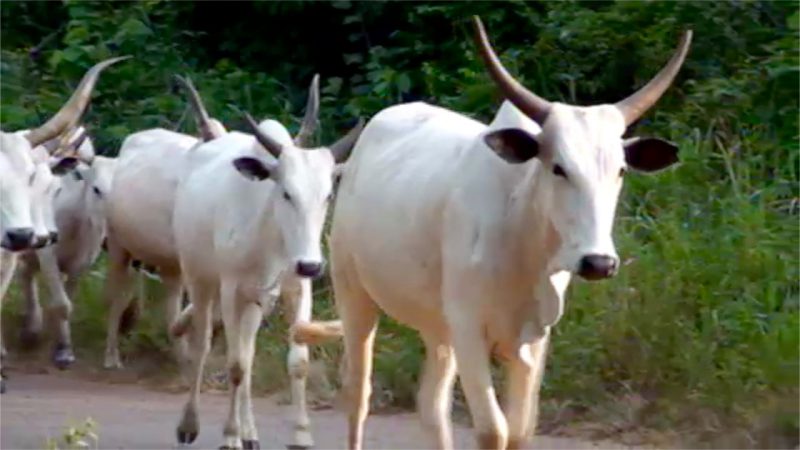
Idi Mukhtar Maiha, the minister of the Federal Ministry of Livestock Development, said the disease remains endemic and is undermining productivity across a national herd estimated at 54.5 million cattle, one of the largest in Africa.
Industry data presented at the inauguration showed the scale of the disruption. At least 131 outbreaks have been officially recorded, spanning 17 states and all six geopolitical zones. The ministry noted that these figures likely understate the real burden due to gaps in surveillance and reporting systems.
From a business standpoint, CBPP is tightening margins for livestock producers. The disease reduces herd value, weakens meat and dairy output, and raises costs tied to treatment, mortality, and preventive measures. It also constrains Nigeria’s ability to compete in regional and international livestock trade, where animal health standards are critical for market access.
Maiha identified structural inefficiencies driving persistent outbreaks. These include unregulated livestock movement along transhumance routes, low vaccination coverage, and weak early detection systems. Together, they enable repeated transmission cycles and periodic shocks to supply.
He warned that without intervention, the disease will continue to generate “sustained economic losses” across the value chain, from pastoralists to processors and traders, while also posing risks to food security and rural incomes.
The newly inaugurated group is expected to function as a high-level technical platform to design a national control framework. Priority areas include strengthening surveillance architecture, scaling vaccination programmes, and modernising diagnostic capacity. The ministry is also pushing for deeper private sector participation and coordination across federal and state systems.
Chinyere Ijeoma Akujobi, permanent secretary to the ministry, said the intervention is aimed at stabilising the livestock sector and restoring confidence among producers.
International partners signalled support. Laxmikant Chavan of the World Health Organization called for stronger surveillance integration and alignment with national health frameworks while pledging technical backing.
Stakeholders including the Food and Agricultural Organization (FAO), Nigeria Veterinary Association, Miyetti Allah Cattle Breeders Association of Nigeria (MACBAN), and the World Organisation for Animal Health also indicated readiness to collaborate.
Stakeholders say the effectiveness of the intervention will depend on execution. Improved disease control could unlock higher yields, reduce losses, and position Nigeria’s livestock sector for stronger participation in formal markets. Failure, however, would mean continued erosion of value in one of the country’s largest agricultural assets.
Source - https://businessday.ng