Aon announced a collaboration with the African Development Bank (AfDB) and Amini, a leading innovator in space technology and artificial intelligence (AI), in an effort to increase crop insurance capacity across Africa, support smallholder farmers’ resilience and accelerate the use of nature positive practices.
Additional anticipated benefits will include a reduction of supply chain risks for the food and beverage sector, as well as new opportunities for the expansion of global agricultural value chains.
The collaboration intends to leverage first-of-its-kind, farm-level data produced by Amini that is intended to enable Aon’s support of the African Development Bank’s Africa Climate Risk Insurance Facility for Adaptation to develop innovative de-risking solutions and build capacity to assess and monitor the changing risk environment across the continent.
Farmers would then use the data to make better-informed decisions leading to greater resiliency and yield improvements.
Further, the collaboration is aimed at helping Aon clients with extensive supply chains or balance sheet exposure to the agricultural insurance sector in Africa to better manage the multi-faceted impacts of climate risk.
Risk capital is a vital component of the climate transition and insurance stakeholders needs to innovate faster to address the world’s rapidly changing needs. Our collaboration with the African Development Bank and Amini is a perfect example of a more holistic approach to risk
Eric Andersen, president of Aon
Africa is home to 65% of the world’s uncultivated arable land according to the African Development Bank, yet the OECD reports that Africa only accounts for 3 percent of global GDP.
Environmental data scarcity has prevented the expansion of agricultural crop insurance, stunting the growth of the agrifood sector, and preventing climate adaptation through regenerative farming practices.
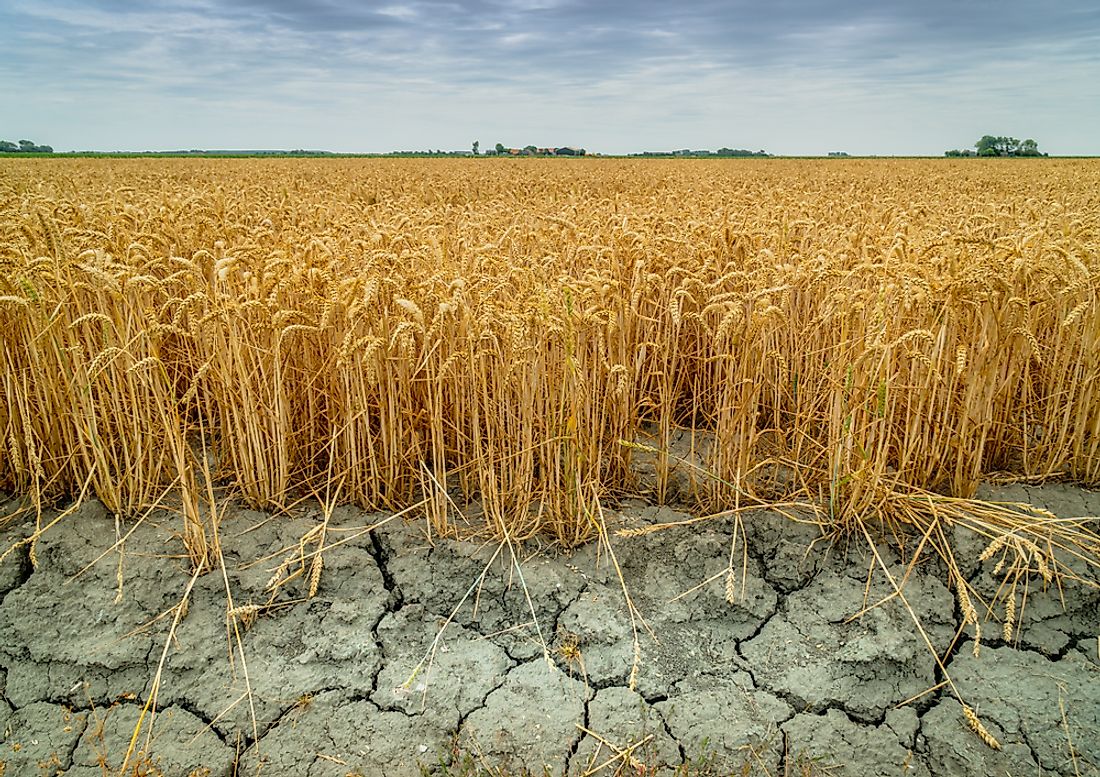
Sub-Saharan African smallholder farmers are highly vulnerable to extreme weather events and only 3% have effective crop insurance.
Regenerative agricultural practices are a proven solution leading, over time, to improved flood and drought resilience and increasing crop health and yield.
Other anticipated benefits include amplified carbon sequestration in addition to lower supply chain volatility.
The Africa Climate Risk Insurance Facility for Adaptation is a model of how strategic collaborations can significantly advance our efforts in climate risk management and agricultural sustainability
Beth Dunford, vice president of the African Development Bank
“Our collaboration with Aon will help strengthen and accelerate our platform deployment with world leading companies driven to improve their sustainability practices, while reinforcing the resilience of their extensive supply chains,” said Kate Kallot, founder and CEO of Amini.
“Together, we have a unique opportunity to kickstart positive feedback loops which will transform global food systems and support the regeneration of natural capital at scale.”
Source - https://beinsure.com