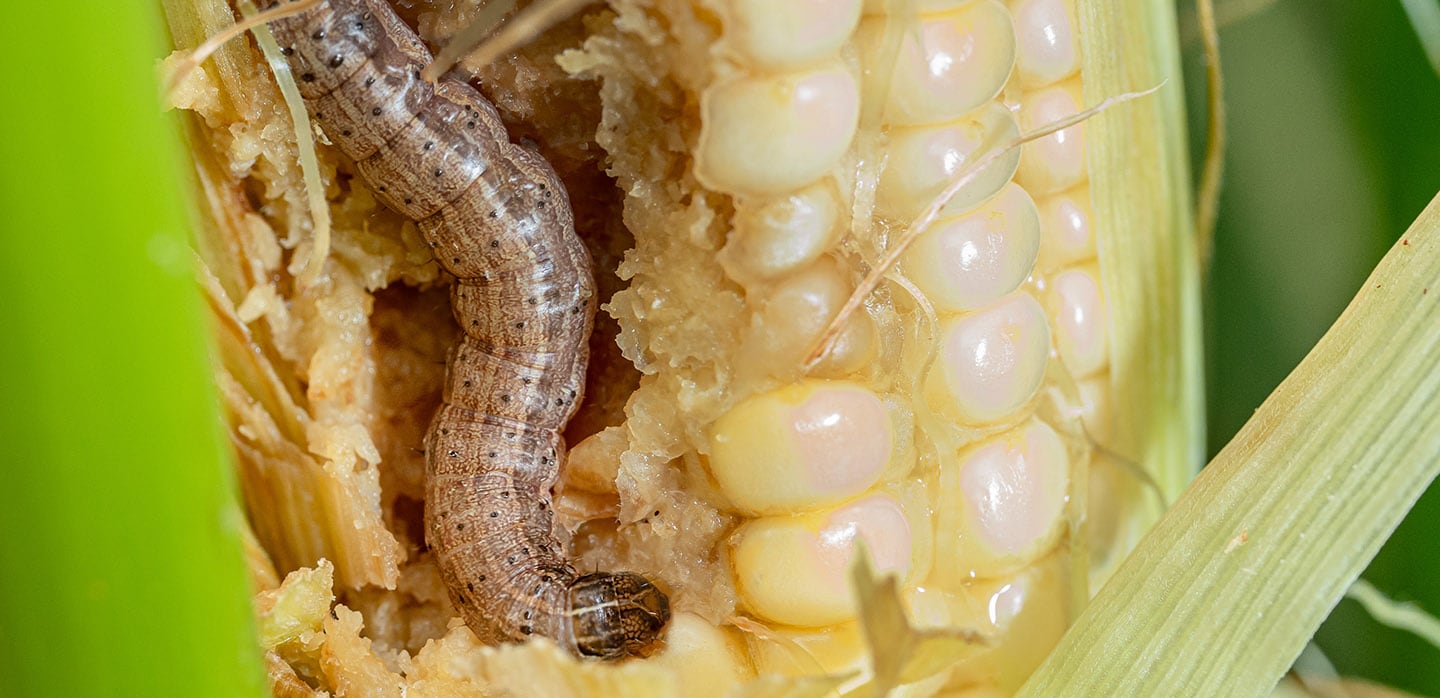
Australia - Giving farmers certainty to tackle a crop-eating pest

18.04.2023 638 views

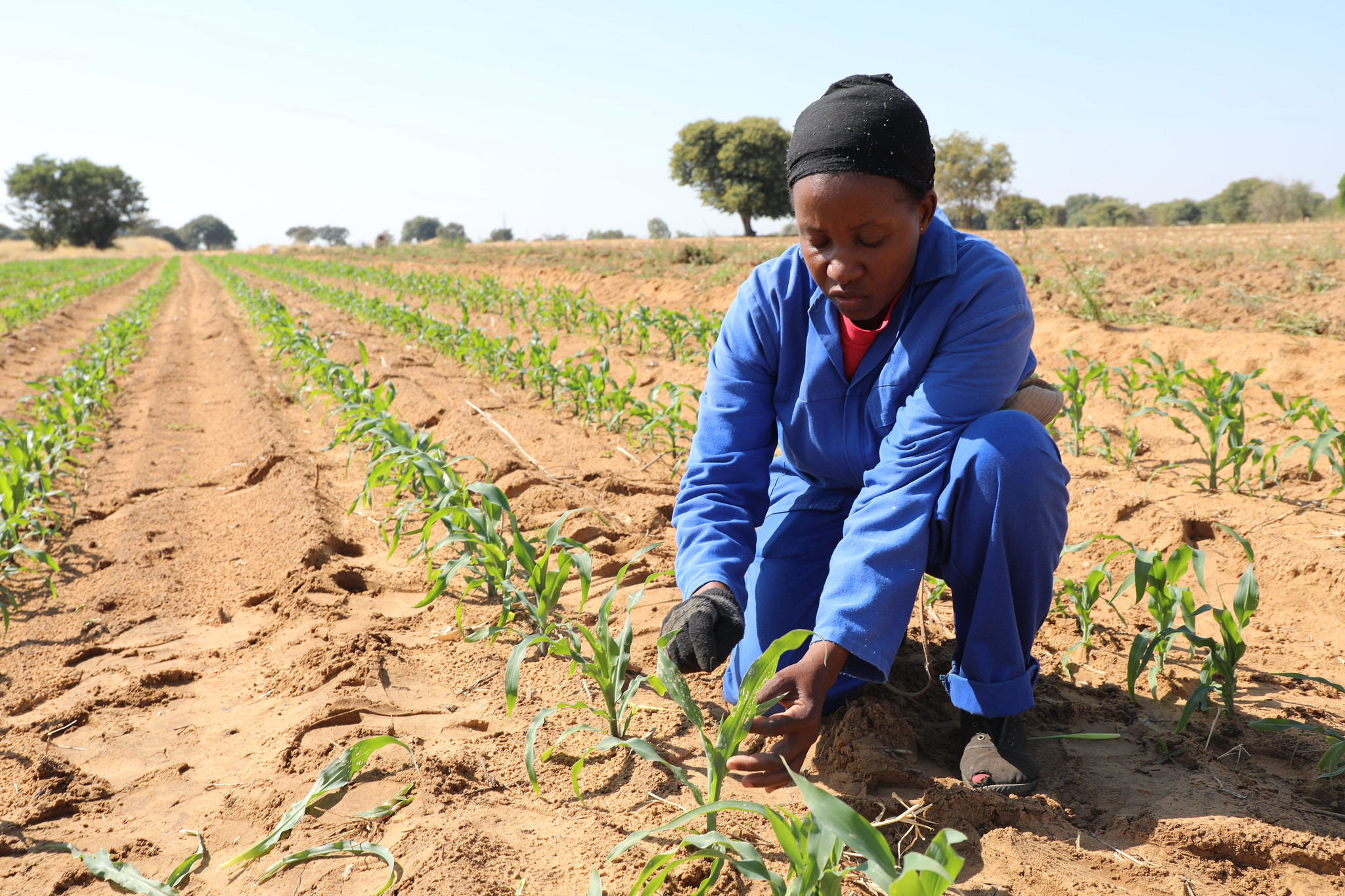
The University of Queensland is working with the Queensland Department of Agriculture and Fisheries (DAF) to develop guidelines to help Australian grain growers decide when and how to treat fall armyworm (FAW) to save their crops and finances. 

The highly invasive pest was detected in Australia three years ago and poses a major threat to broadacre crops including maize and sorghum. 

Dr Joe Eyre from UQ’s Queensland Alliance for Agriculture and Food Innovation (QAAFI) is working with DAF on the project, which has investment from the Grains Research and Development Corporation (GRDC) and will determine economic thresholds for the pest to give farmers certainty. 

“The overseas recommendations for treating fall armyworm are vague, and we don’t know how they relate to the Australian environment,” Dr Eyre said.

“The current recommendations are to take action based on obvious damage from the caterpillars, which may not be the most economically efficient or ecologically friendly time to protect crops.”

The research project will establish the relationship between the timing of an infestation, its density and the crop’s response.

“Fall armyworm are easy to treat when small so we need to predict what the likely yield loss is going to be if the infestation is not treated, as opposed to spending money on treatments when it is too late or when FAW are unlikely to result in yield penalty,” Dr Eyre said.

“The development of these economic thresholds will be absolutely fundamental to the management of fall armyworm in broadacre crops.” 

DAF’s Dr Melina Miles said field trials in maize and sorghum at UQ’s Gatton campus were providing important data.

“We haven’t had a severe defoliating pest before and most producers haven’t seen a shredded crop, so there’s a lot to learn,” Dr Miles said.

“Australia’s grains industry is used to having economic thresholds on which to base decisions about crop management and farmers are crying out for guidance because fall armyworm is so damaging and new.”

The guidelines will be finalised by June 2024, but Dr Eyre and Dr Miles are already presenting their work at industry conferences.

Source - https://www.uq.edu.au

04.05.2026

Bulgaria's Kyustendil cherry crop severely affected by frost for second consecutive year

Frosts have caused critical damage to cherry orchards in the Kyustendil region of Bulgaria for the second consecutive spring, with producers reporting near-total crop losses. 

04.05.2026

Vietnam - MoF moves to expand farm insurance support and eligibility

The Ministry of Finance has proposed sharply increasing agricultural insurance premium subsidies to up to 95 per cent and widening the pool of eligible beneficiaries to better share risks with producers, stabilise farm incomes, and strengthen climate resilience.

04.05.2026

Bangladesh - One lakh hectares of rice fields go underwater in haor regions

What should have been a vibrant harvest season in the country’s haor belt across seven districts has instead turned into widespread devastation. 

04.05.2026

Philippines - P150-M insurance buffer vs El Niño but PCIC limits coverage to irrigated farms

The Philippine Crop Insurance Corporation (PCIC) in Western Visayas has set aside P150 million in drought insurance as El Niño conditions intensify, with officials warning that the region is already nearing “critical” risk levels that could threaten thousands of farmers in the coming cropping season.

04.05.2026

Indian banana crops damaged across 809 hectares in Tamil Nadu

Strong winds and heavy rainfall in parts of Tamil Nadu have damaged banana crops across districts, including Theni, Dindigul, Coimbatore, and Salem.

04.05.2026

Poland reports up to 100% fruit crop losses after late April frosts

Fruit growers in Poland are assessing losses after late April frosts damaged crops across multiple regions, with eastern areas most affected and stone fruit production under pressure.

03.05.2026

Vietnam - Aid for agricultural insurance premiums proposed to rise

The Ministry of Finance has proposed increasing support for agricultural insurance premiums and expanding eligible beneficiaries in a move aimed at encouraging greater participation by farmers and agricultural organisations.

03.05.2026

USA - MDARD Awards Over $3.2 Million Through Resilient Food Systems Infrastructure Grant Program

The Michigan Department of Agriculture and Rural Development (MDARD) today announced more than $3.2 million of grants to 10 Michigan entities through the U.S. Department of Agriculture’s (USDA) Resilient Food Systems Infrastructure (RFSI) Grant Program.