The report was commissioned by the Department of Climate Change, Energy, the Environment and Water to fill specific data gaps on food loss and waste in primary production in the horticulture industry.
Executive Director of ABARES, Dr Jared Greenville, said that although crop loss has continued to challenge Australian producers, the record horticultural production value was forecast for 2024–25.
“While the difficulties of horticultural production remain, the latest data is a fascinating snapshot of how our producers use technology, innovative thinking and hard work to find new ways of improving productivity,” said Dr Greenville.
“For example, in 2022–23, ten percent of horticultural crop loss/waste per farm was recovered for alternative uses such as compost and animal feed, up from two percent in 2021–22. Apples, bananas, and citrus led that pack, where around one-fifth of crop loss/waste per farm was recovered for alternative uses.”
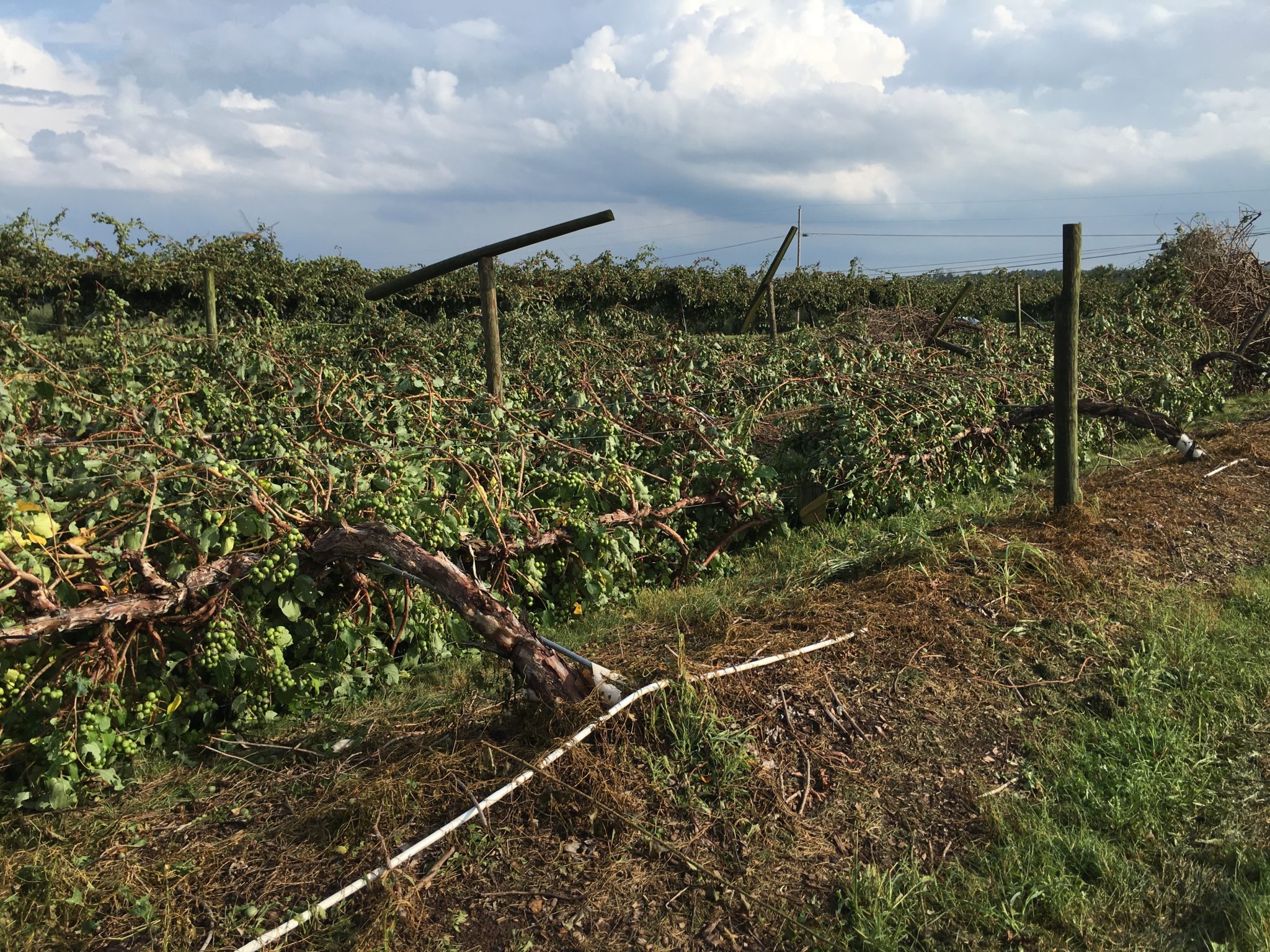
Other key findings from the report revealed that weather events were the primary cause of total crop loss/waste on most farms (63 percent), with most of these losses occurring pre-harvest and predominantly outside farmers’ control.
Agricultural production has been inherently risky, and external events outside the control of farm managers have been a natural challenge within Australian agriculture.
“However, with the knowledge gained from this latest reporting, strategies across the value chain for reducing waste and increasing resource efficiency in the industry can be considered.”
Source - https://supermarketnews.co.nz