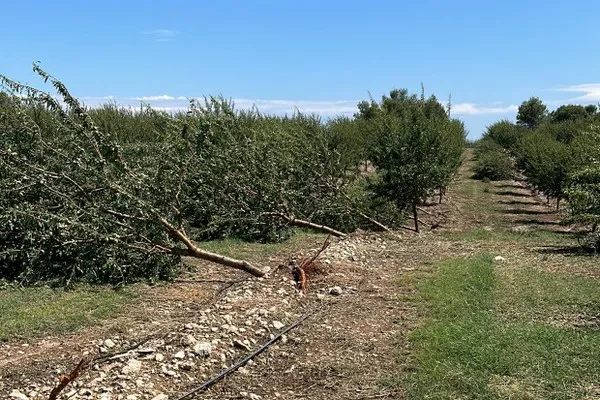
Record low rainfall and extreme heat in parts of Ontario in 2025 are prompting growers to reassess cropping plans, insurance coverage and input strategies for the 2026 season.
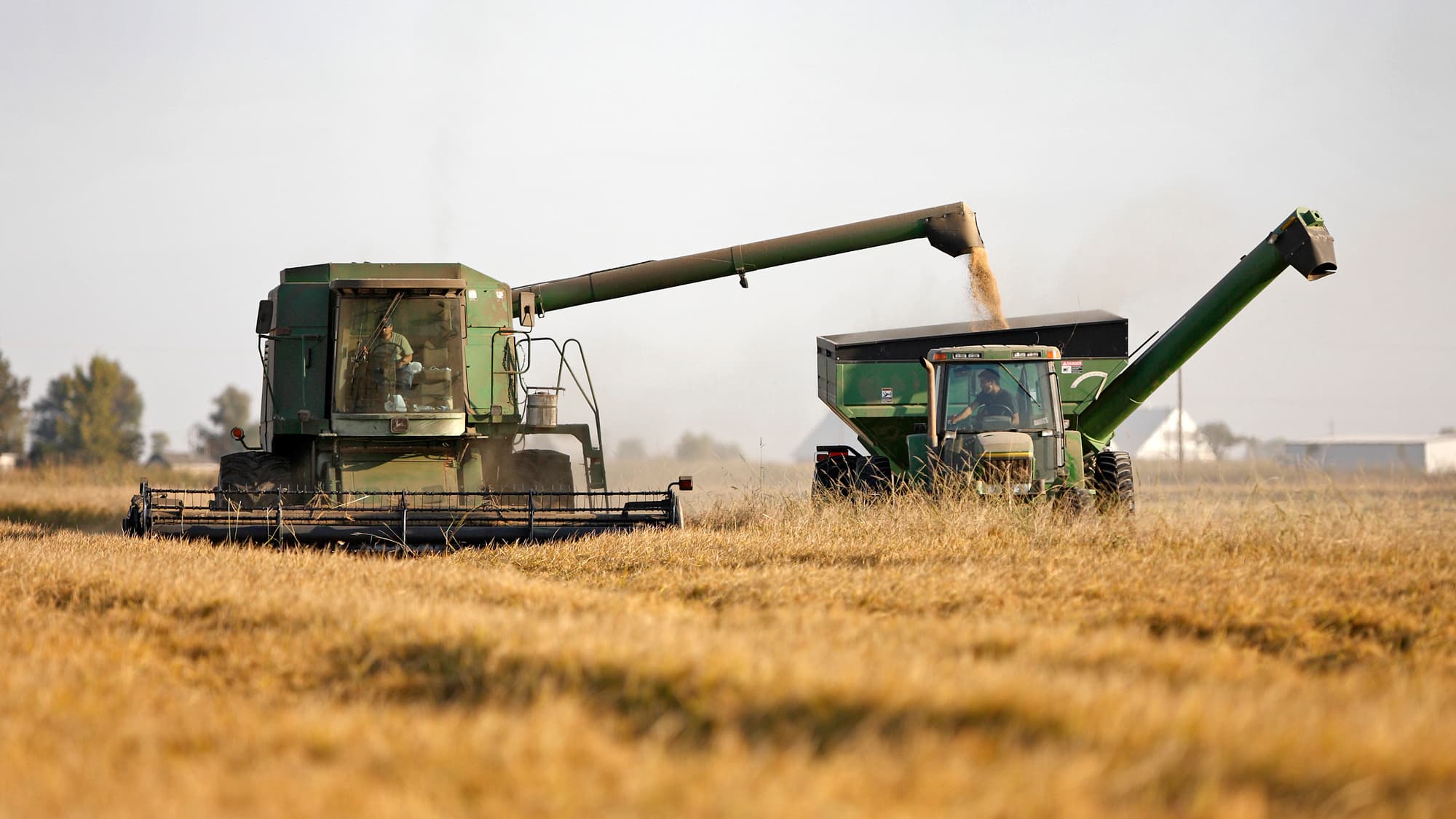
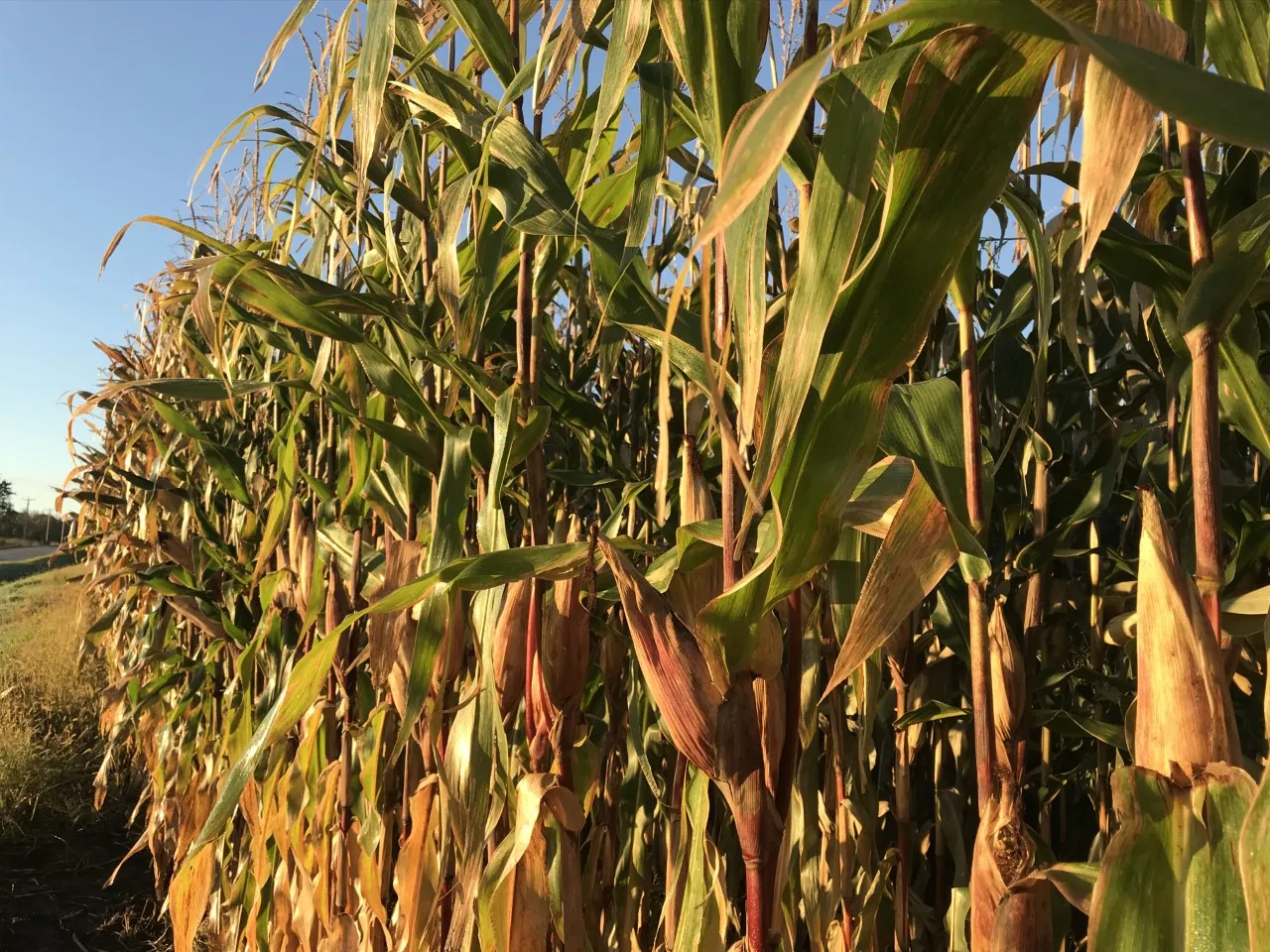
Farmers across central and eastern Ontario reported the lowest July–August rainfall in decades, with some areas recording the driest conditions in 50 years. Abnormally high temperatures compounded the stress, driving significant yield losses in corn and soybeans and leaving many operations with sharply reduced production.
In conversations with Farm Journal field agronomist Ken Ferrie, Ontario producers described yields ranging from about half to roughly three-quarters of their long‑term averages, depending on how many scattered showers their fields received. One grower along the north shore of Lake Ontario said 2025 was the driest season in more than 40 years of farming, despite a few “half‑inch rains” that partially salvaged his crop.
Drought reshapes expectations and risk management
The 2025 season has become a reference point for local growers when planning for 2026, according to a report from AG Web. Many report a more cautious stance on both cropping decisions and financial risk after seeing how quickly yield potential can disappear in a hot, dry summer.
Ferrie noted the contrast between Canadian and US safety nets as he listened to growers describe their losses. In the US, farmers frequently rely on multiple layers of federal crop insurance to limit the financial impact of poor harvests. In Ontario, producers access a provincial Production Insurance program, but coverage levels and participation vary.
One grower from the Lindsay area said the 2025 experience had prompted many producers to revisit their elected coverage levels. “We all felt after last year, maybe we should have been insured a little higher,” he said, adding that the support they did receive was “very happy to have … to help pay the bills.”
Producers growing specialty crops such as edible white beans and adzuki beans reported that these higher‑value crops fall under similar insurance frameworks as corn and soybeans but are subject to higher premiums. Many of those beans are grown for export to the United Kingdom and Japan, adding market and logistics risk on top of weather risk and making insurance an important backstop when either factor turns against them.
Fertilizer sticker shock and input decisions
Alongside weather concerns, fertilizer prices are a central issue in 2026 planning. Growers told Ferrie that relatively little fertilizer in their part of Ontario was prepaid ahead of the season, leaving many more exposed to in‑season price volatility. One farmer noted that only those using 28% liquid nitrogen had typically prepaid, citing past supply constraints, while “not near as much fertilizer is prepaid as what, in a perfect world, would have been.”
According to the report, higher fertilizer costs are pushing some producers to adjust application strategies. One Ontario grower said he pre‑bought a portion of his nitrogen in February and is now relying more heavily on split applications while scaling back on more expensive slow‑release products where feasible.
In wheat, he calculated that using a time‑release nitrogen product would cost approximately $32 more per acre than straight urea, leading him to switch to multiple passes with conventional product for topdressing. With diesel, fertilizer and other inputs trending higher, he said, “anything you can do to save small increments adds up … for the whole operation.”
Market observers also noted that such adjustments may help manage cash flow and input risk but could also influence yield potential and, in turn, interact with production‑based crop insurance guarantees.
Cropping plans hold steady, with some shifts toward soybeans
Despite concerns about drought and input costs, growers in the region say overall crop rotations remain relatively stable, with corn, soybeans and wheat continuing to dominate the mix. Most producers had already locked in seed and, in many cases, major fertilizer commitments before the full extent of cost increases became clear.
Asked whether high input prices and drought fears would drive large acreage shifts in 2026, farmers told Ferrie they largely intended to maintain their established rotations, often supported by marketing strategies that spread grain sales over time to manage revenue and meet financing obligations.
However, some indicated that they are making tactical adjustments at the margins. Several reported plans to slightly reduce corn acreage in favor of soybeans, citing lower upfront costs and perceived lower risk, even if potential profits are also lower. “Less corn, more beans — just less dollars to put it in,” one grower said, describing neighbors’ decisions.
Ferrie noted that a similar pattern appears to be emerging among US growers, where many are also holding to long‑standing rotational patterns but have limited flexibility to make large changes in the short term.
The combination of localized drought, volatile fertilizer and fuel prices, and relatively fixed near‑term acreage plans underscores the importance of how producers manage risk within their existing cropping systems. Coverage levels under crop insurance programs, the balance between higher‑cost inputs and yield potential, and exposure to specialty and export markets are all likely to influence how resilient farm balance sheets prove to be if another difficult season materializes, the report said.
Source - https://www.insurancebusinessmag.com