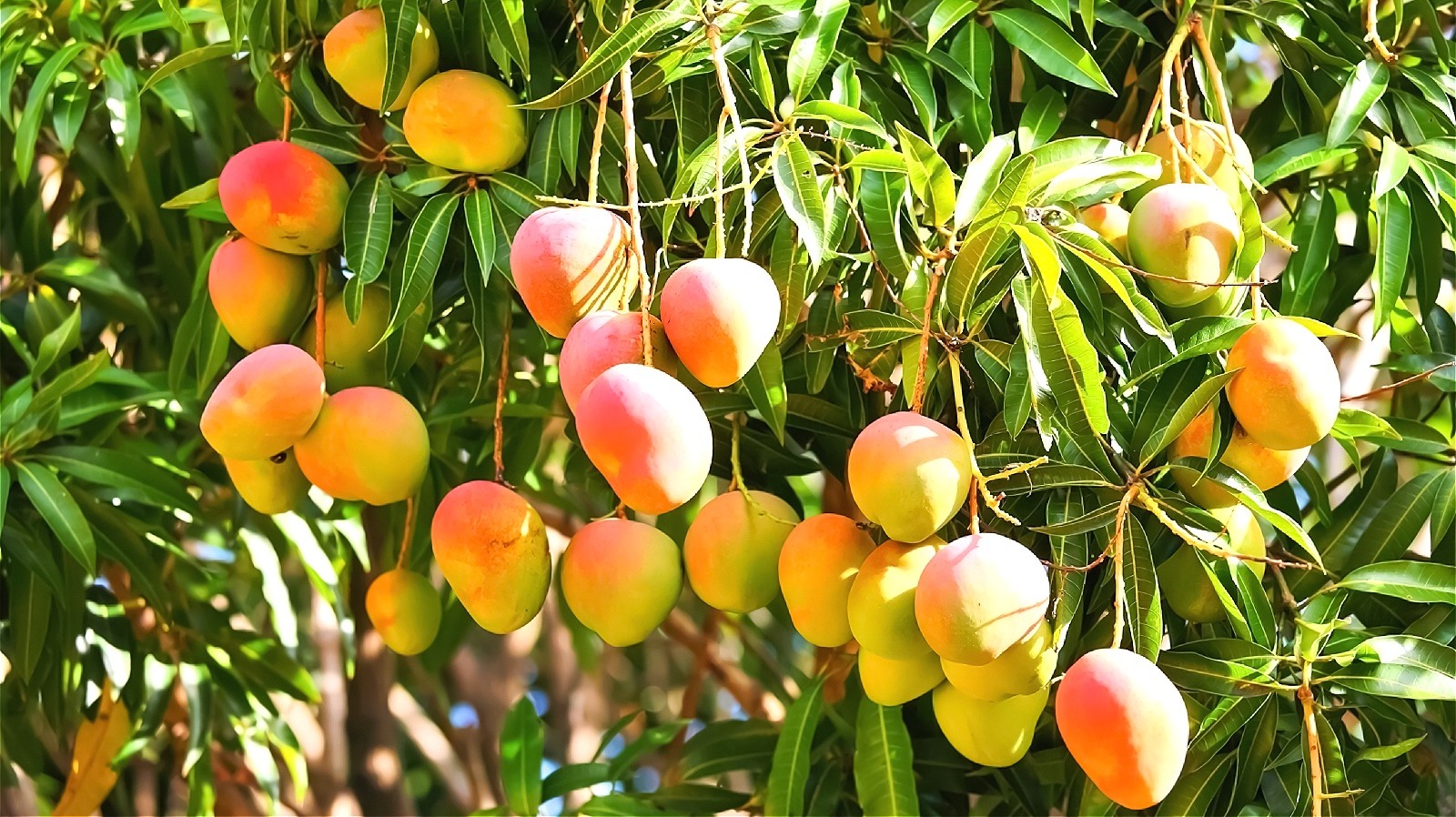
Mango production in Pakistan is expected to remain below normal this season due to weather-related impacts affecting flowering and fruit set in Punjab.
"On March 3–5, there was an early heatwave in Punjab's mango belt which I have never observed in my life," said Abdul Ghaffar Grewal, mango consultant and former director of the Mango Research Institute, Multan. "Temperature suddenly rose to 38–39°C for a few days, drying up open flowers, especially in the Rahim Yar Khan belt."
He said this was followed by a drop in temperatures to around 15°C after flowering, affecting pollination. "The male part of the flower became inactive, leading to no fertilisation and ultimately no fruit formation."
The impact varies by variety, with Summer Bahisht Chaunsa, which accounts for more than 35 per cent of Punjab's crop, being affected. "Its condition is not good at all. I have never seen such a bad situation despite heavy flowering," he said. Late Ratol has also been affected, while Sindhri shows mixed performance depending on location.
Around 30 per cent of the mango crop in Punjab has been affected, with additional pressure from mango malformation linked to cooler conditions. "I have seen crops damaged by harsh summers, but this is the first time I have seen such destruction due to cooler weather," Grewal said.
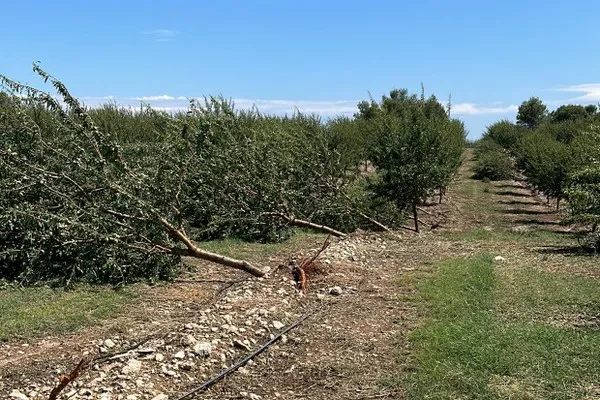
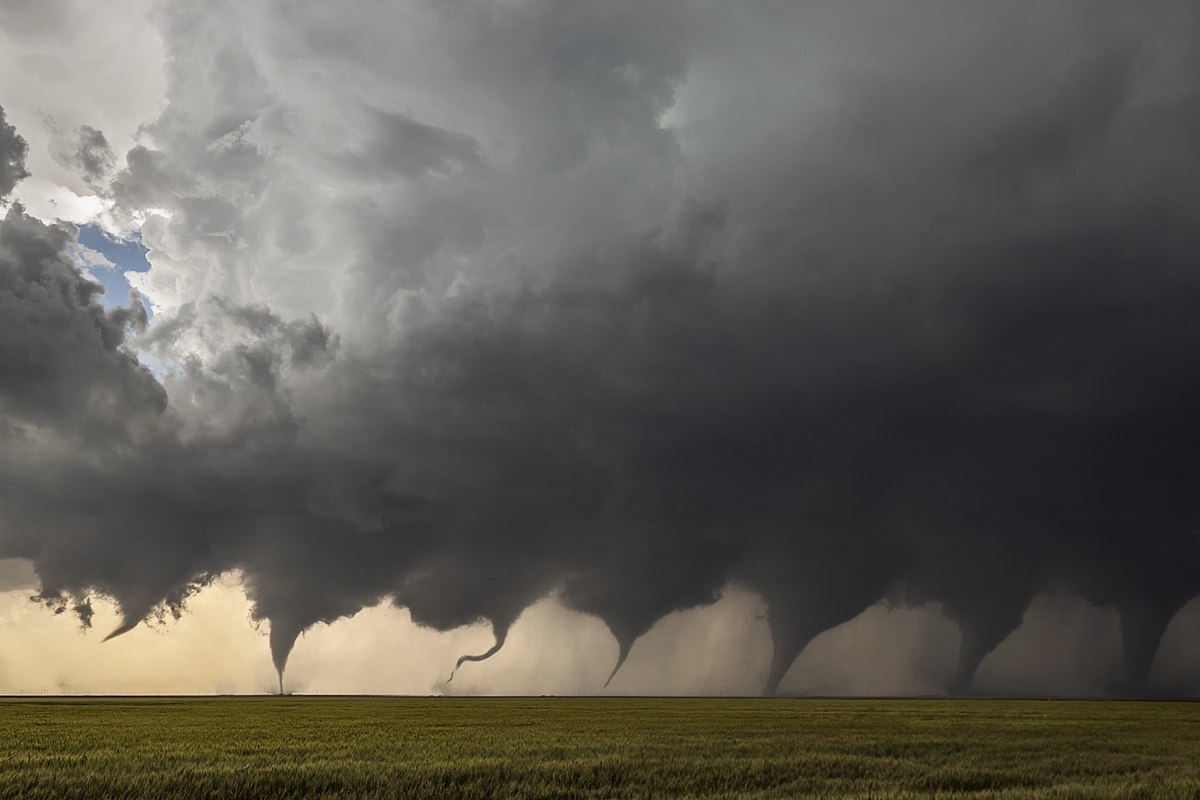
Pest pressure has also increased, including hopper infestations, linked to irregular spraying due to rainfall and limited resources. Hailstorms in areas including Multan, Nawabpur, Kabirwala, and Khanewal have further affected orchards.
Zafar Mahay, President of the Multan Mango Growers Association, said losses vary across regions. "In some areas, there is a significant loss, while in others it is about 40%," he said. "Cold and rain first damaged the flowers, and then the fruit that had formed was destroyed by hailstorms, with hailstones as large as eggs reported in several areas."
He added that temperature fluctuations affected pollination. "Cross-pollination was also affected due to reduced activity of honey bees and flies during the cold spell."
Mahay said mango malformation has increased. "Because of cold weather, mango malformation has increased significantly. This disease is eating the plant's nutrition and has devastated growers."
Growers report that weather variability has affected production since 2022. This season, multiple factors, including heat, cold, hail, pests, and disease, have reduced fruit set, with expectations of lower output affecting supply and exports.
Source - https://www.freshplaza.com