Confirmation that Australia will experience its third La Niña event in a row is good news for bushfire risk and agricultural output, but analysts have warned some regions may experience crop damage or losses due to heavy rainfall.
The New South Wales fire commissioner, Rob Rogers, said he would “never complain about a quieter fire season”, but warned that heavy rainfall west of the Great Dividing Range over winter had elevated the grass fire risk.
“It’s just massive,” he told Guardian Australia. “We have already had a few grass fires this year and are getting trucks bogged when they respond to a fire, which is a new thing.
“But it is not going to be another 2019-20 which is a good thing.”
Rogers said while grass fires can be easier to control, they are still deadly. “When they move during the day under a strong wind, they are moving frighteningly fast … if you are caught in them they will kill you.”
The national bushfire outlook suggests it will be an average or below-average fire season.
The deputy chief officer of the Country Fire Authority, Alen Slijepcevic, said there was a below-average risk in areas east of Melbourne but warned that it would only take a few days of hot and windy weather for the fire risk to elevate.
“Every fire season brings a risk in Australia because you are just one day away from a dangerous bushfire,” he said. “It is very important for people to still continue to prepare their properties and make sure that they have a bushfire survival plan ready.”
Slijepcevic recommended people use the quieter season to review their fire plan in line with the new four-level fire danger rating system, which came into force this month.
For communities in southern NSW that are still recovering from the devastating 2019-2020 fire season, the reduced bushfire risk is welcome, but three years of rain has brought its own troubles.
The Bega valley shire council mayor, Russell Fitzpatrick, said the NSW South Coast region had experienced four floods since the bushfires, which had washed trees damaged by the bushfires into creeks and estuaries that the council could not afford to clean out.
“It doesn’t take much for us to have a flood at the moment because the water levels are so high,” he said. “But I suppose it will be too wet to burn.”
Neighbouring Snowy Monaro regional council has also seen strong recovery of its forests and farmlands after two wet years, but the mayor, Narelle Davis, said the constant rain has “absolutely destroyed our roads”.
“It would be lovely to have a normal year, but in Monaro I think we have forgotten what normal is,” she said. “We have either had long, long periods of dry weather, or we have had really heavy rain. To have consistent annual rainfall and to have confidence in the seasons would be ideal, but I don’t think it would be called Australia.”
The impact on farmers will vary from crop to crop and region to region, Rabobank senior commodities analyst Cheryl Kalisch Gordon said.
“Things are better in moderation,” Kalisch Gordon said. “But the Australian farming sector does better when we have more rather than less rainfall.”
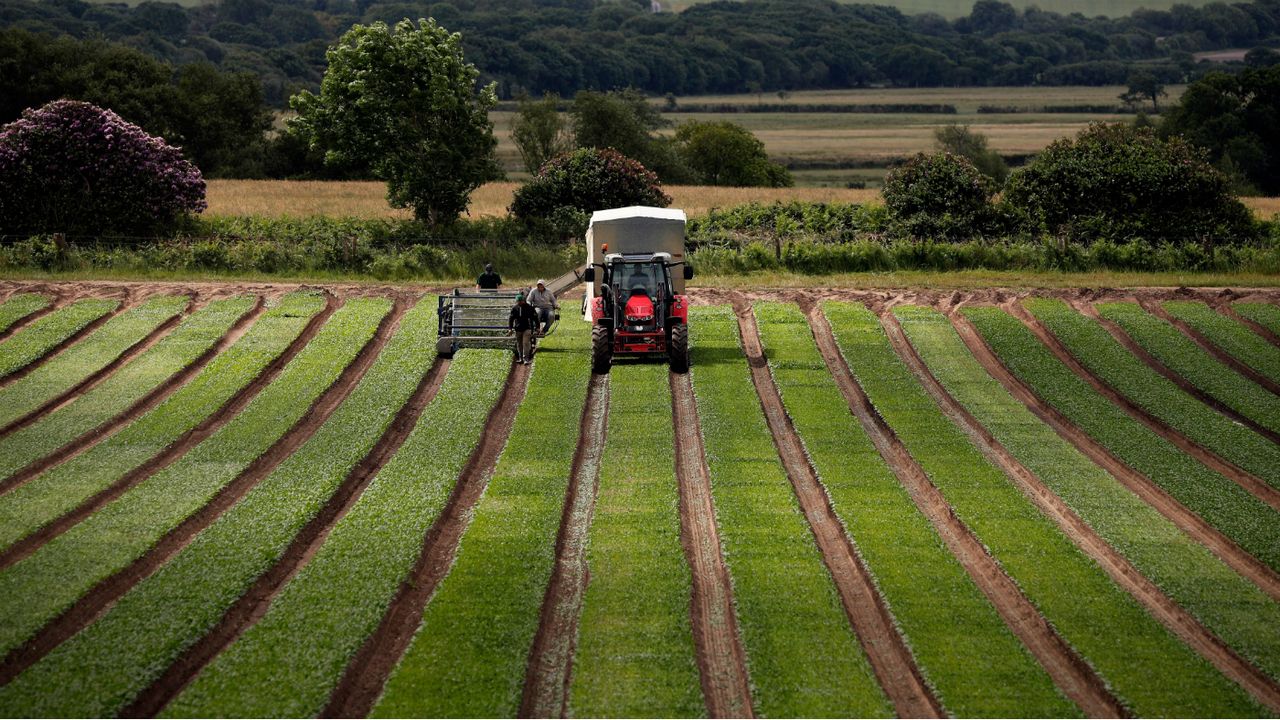
Higher rainfall could affect the harvest of summer grain and oil seed crops, like wheat and canola, particularly if rain causes delays in the harvest and a reduction in quality. That could be exacerbated by a shortage of agricultural workers on the east coast and the need to move harvesting machinery around in a short window of dry weather, she said.
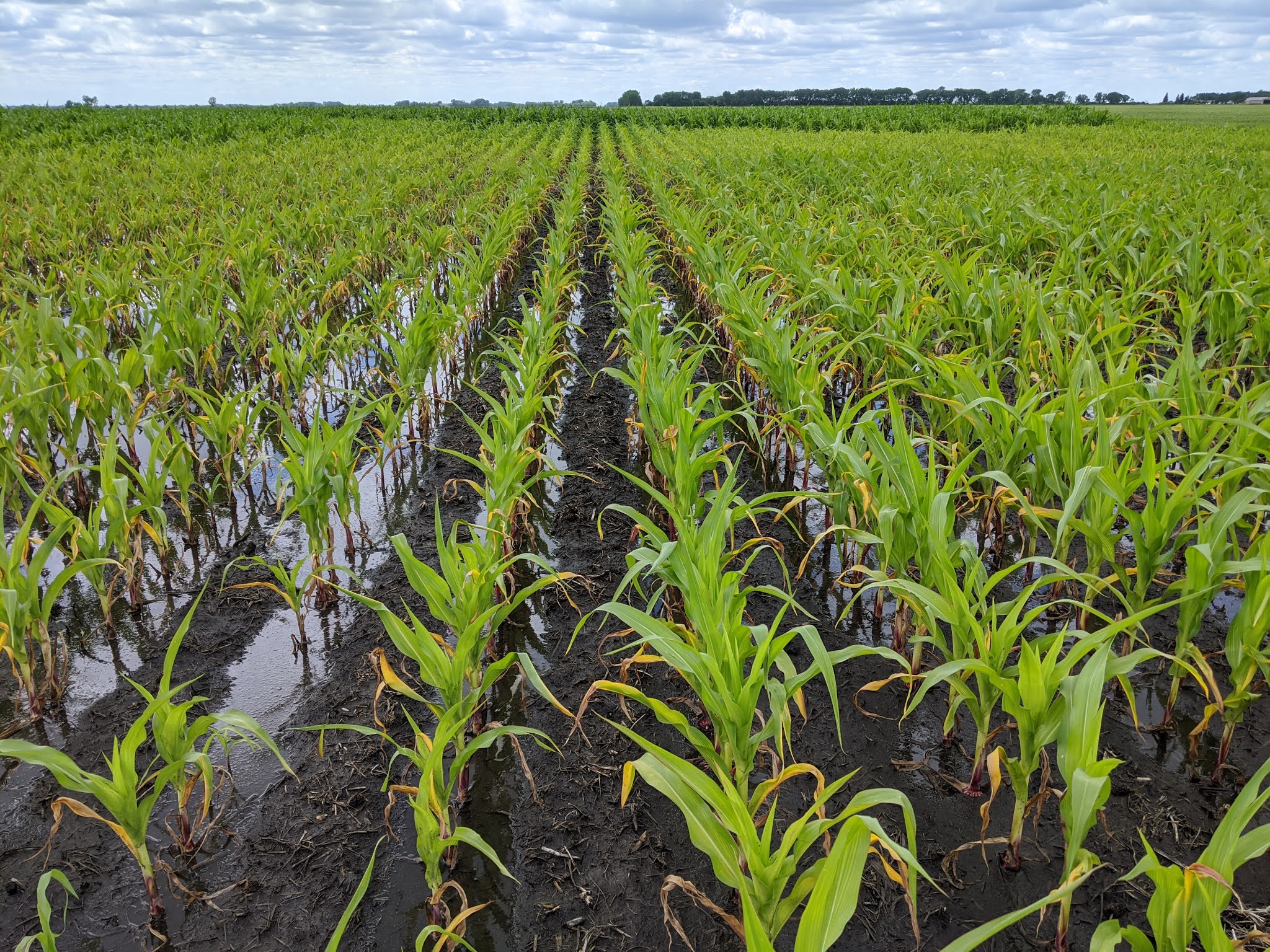
While the Australian Bureau of Agricultural and Resource Economics and Sciences (Abares) is forecasting a record year for agricultural earnings, the heightened risk of flooding may see some regions experience losses similar to those recorded in Queensland and NSW in the last 12 months. Some of those farmers, particularly in the horticultural sector, still have not recovered.
“If you look across the sector there is probably equal plus-risk and minus-risk,” she said.
National Farmers Federation vice-president David Jochinke said the confirmation of a La Niña event does not come as a surprise to farmers standing in sodden paddocks. The rain will bring increased productivity in some areas, particularly in the Mallee areas of Victoria and South Australia, but it also elevates the risk of disease.
“We are getting to maximum saturation in a lot of areas,” he said. “It is how long it stays saturated that’s the real question now.”
No matter how the season pans out, he said, it will set farmers up with enough water to ensure a strong growing season next year, which should hopefully be drier.
“We pray for average,” Jochinke said.
Source - https://www.theguardian.com