A new technique has been developed which can substantially reduce damage by mice to crops even during “plagues”.
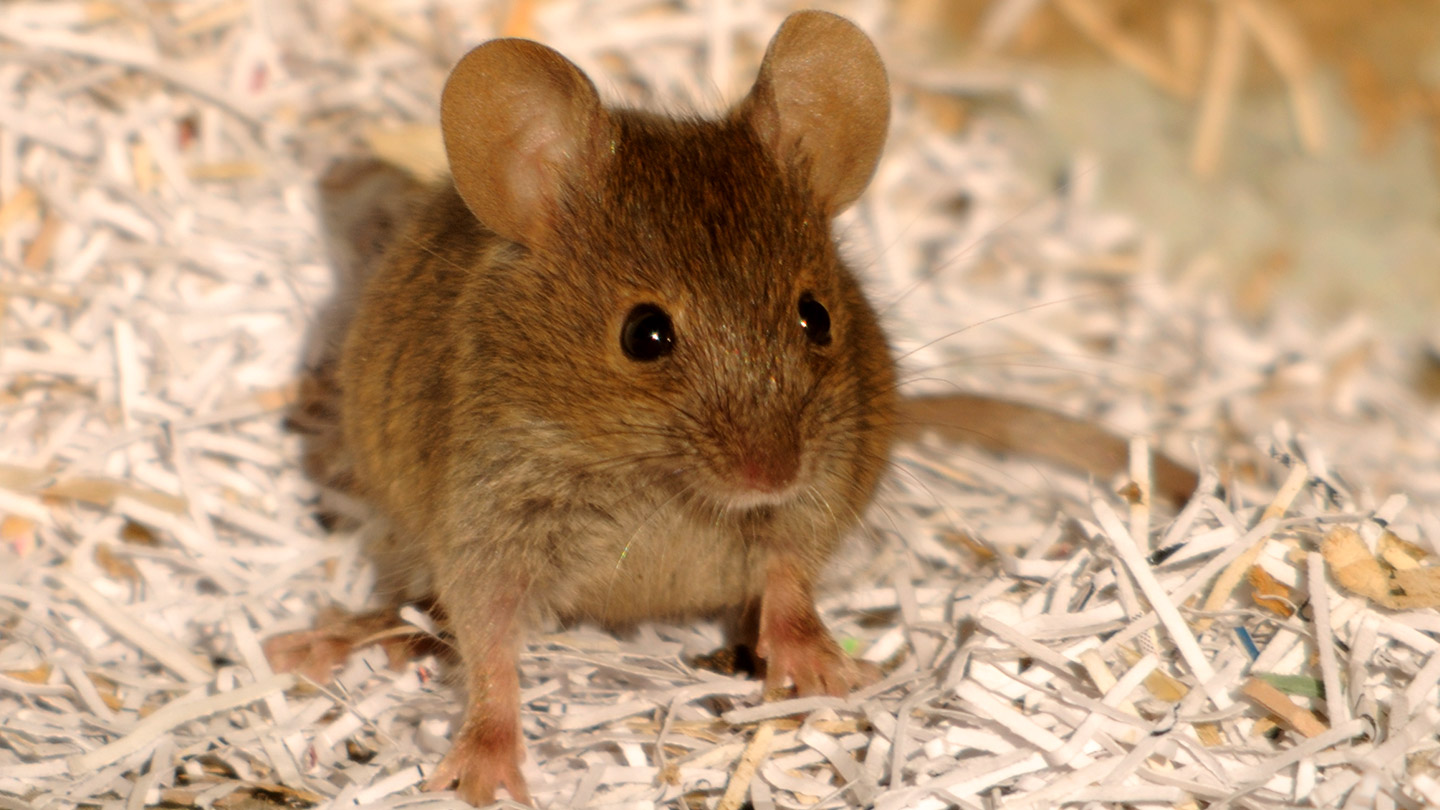
For as yet unknown reasons, mouse plagues only occur in China and Australia according to the CSIRO. In 2021, a mice plague devastated New South Wales and Queensland causing millions of dollars of damage and setting farmers back over a year. Numbers aren’t expected to get so high this year, but another infestation appears to be on the horizon.
During plagues, thousands of hectares of crop can be damaged, stored grain contaminated, and diseases spread. The CSIRO says that “mouse population density of about 800-1000 mice/ha is considered a mouse plague. Anything over 200 mice/ha is said to cause economic damage.”
The non-toxic method developed by University of Sydney scientists has been shown to greatly reduce seed loss on wheat crops. Agricultural and environmental scientists trialled spraying wheat crop with diluted wheat germ oil during and after sowing.
The team tested the crop-loss management technique in May 2021 on a farm 10 kilometres north-west of Pleasant Hills, New South Wales, where five treatments were tested across 60 plots.
Researchers found that in treated crops mice “stole” 63 percent fewer wheat seeds, compared to untreated controls. If the plot was sprayed with the same solution before planting, seed loss was even lower – 74 percent than untreated plots.
The researchers believe that mice are tricked by the overwhelming smell of seeds produced by the oil.
“We found we could reduce mice damage even during plague conditions simply by making it hard for mice to find their food, by camouflaging the seed odour,” says Professor Peter Banks. “Because they’re hungry, they can’t spend all their time searching for food that’s hard to find.”
“When the smell of the seed is everywhere, they’ll just go and look for something else instead of being encouraged to dig. That’s because mice are precise foragers that can smell seeds in the ground and dig exactly where a seed is, but they can’t do that in this situation because everything smells like the seeds.”
The team believes the new technique could be used for other crops.
“This misinformation tactic could work well in other crop systems, indeed any animal that finds food by smell is potentially vulnerable to us manipulating that smell and undermining their ability to search,” Banks says.
“The camouflage appeared to last until after the seeds germinated, which is the period of vulnerability when wheat needs to be protected,” says lead researcher, PhD student Finn Parker.
“Most mouse damage occurs from when seeds are sown, up to germination, just under two weeks later. Mice can’t evolve resistance to the method either because it uses the same odour that mice rely on to find wheat seeds.”
Future research will assess how dilute the solution can be while continuing to be effective, and how often crops can be sprayed and remain protected.
Source - https://cosmosmagazine.com