The Tomato Brown Rugose Fruit Virus (ToBRFV) is a highly infectious plant virus that has impacted global tomato production and distribution globally. First discovered in 2014, it has now spread across various parts of the world with devastating consequences for many growers. The virus can infect up to 100% of a crop, with harvest losses up to 70%.
With the first reports of ToBRFV outbreaks in Australia made recently, the potential spread and impact through the country is unknown. Plant breeding and seed company Rijk Zwaan is available to support growers.
Disease Resistance
Since the initial discovery of ToBRFV almost a decade ago, Rijk Zwaan has been focusing on developing resistant tomato varieties. Highly resistant varieties have been commercially available in affected countries and tested throughout Australia since 2022.
In the coming period, Rijk Zwaan will continue to release varieties with high resistance to ToBRFV for trials and commercial introduction to Australia, working closely with growers and the industry to ensure tomato production continues.
Virus transmission
ToBRFV can spread through propagation material and via mechanical transmission. These include plant-to-plant contact, people, machinery, soil, water, nutrient film solutions, and bees. Like other Tobamoviruses, ToBRFV is very stable as it survives without plant material, on surfaces, and in water, for extended periods.
The highly contagious nature of ToBRFV indicated that it was a matter of time before the disease would enter Australia, despite strict biosecurity measures and testing protocols for the introduction of plant material.
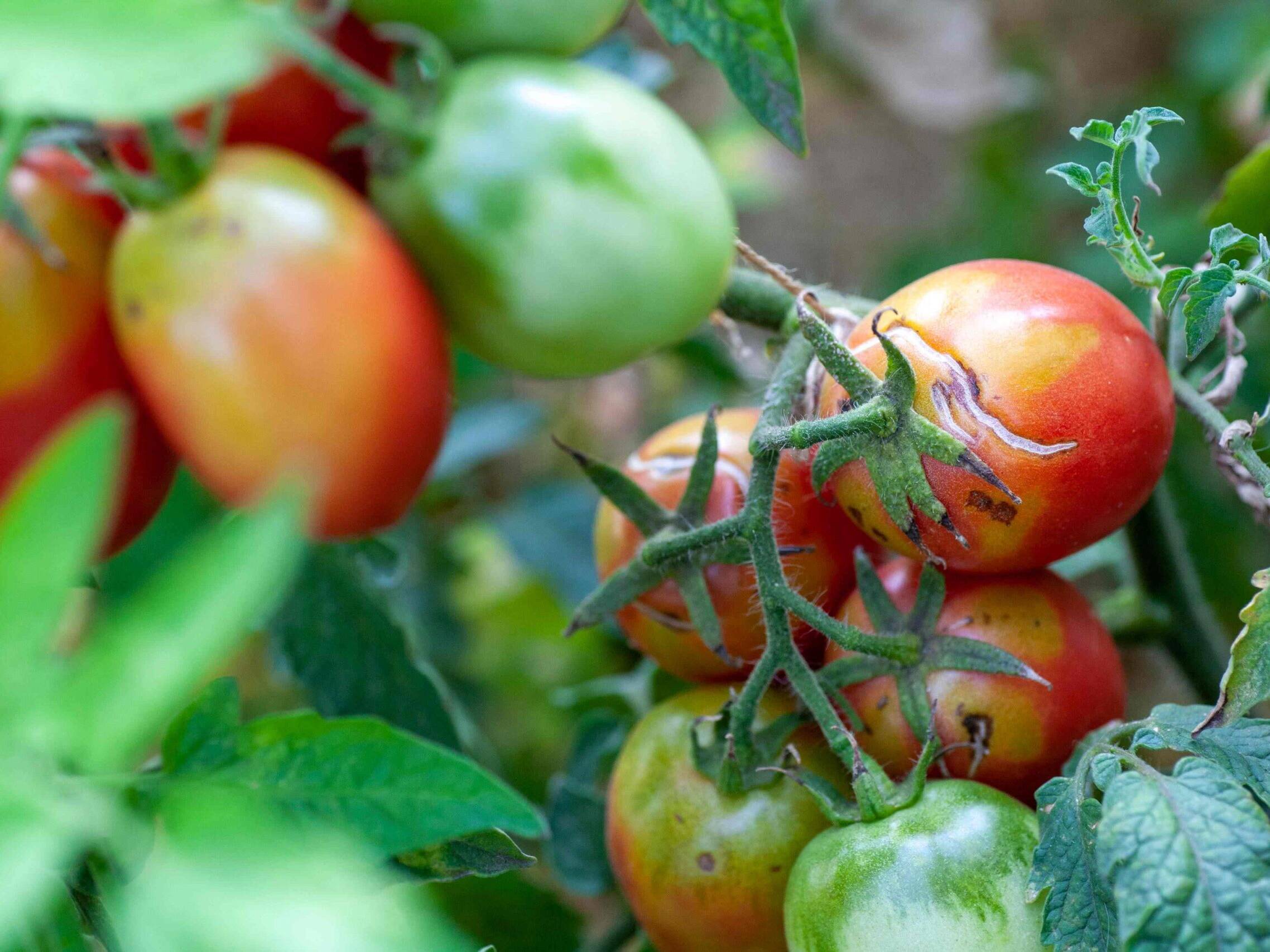
Symptoms include yellow spots, wrinkled patches, and brown scars which are only visible after three weeks, giving the virus a head start in its spread.
Minimising disease risk
Pest and disease management is a persistent challenge for the horticulture industry.
Rijk Zwaan has developed varieties resistant to ToBRFV under the RUGOSE Defense™ logo. While disease resistance offers some protection, it is of the utmost importance to mitigate the risk of spread through strict hygiene measures on farms, including:
1. Staff education
2. Ensuring staff and visitors comply with on-farm biosecurity and hygiene practices
3. Avoiding unnecessary visits and contact with crops
4. Reducing equipment and materials shared between facilities, such as reusable plastic fruit crates
5. Monitor crops for disease symptoms
6. Disinfect tools, propagating material, and equipment.
Local, personalized support for Australia's tomato growers
The long-term sustainability and profitability of the Australian vegetable industry depend on incorporating new varieties with high levels of resistance to ToBRFV, alongside the implementation of best practice on-farm hygiene measures and effective technical crop management strategies. Understand the virus and become informed about suitable resistant varieties.
Source - https://www.freshplaza.com