Australia - Severe weather in Queensland devastates crops and challenges greenhouse growers

15.01.2025 539 views

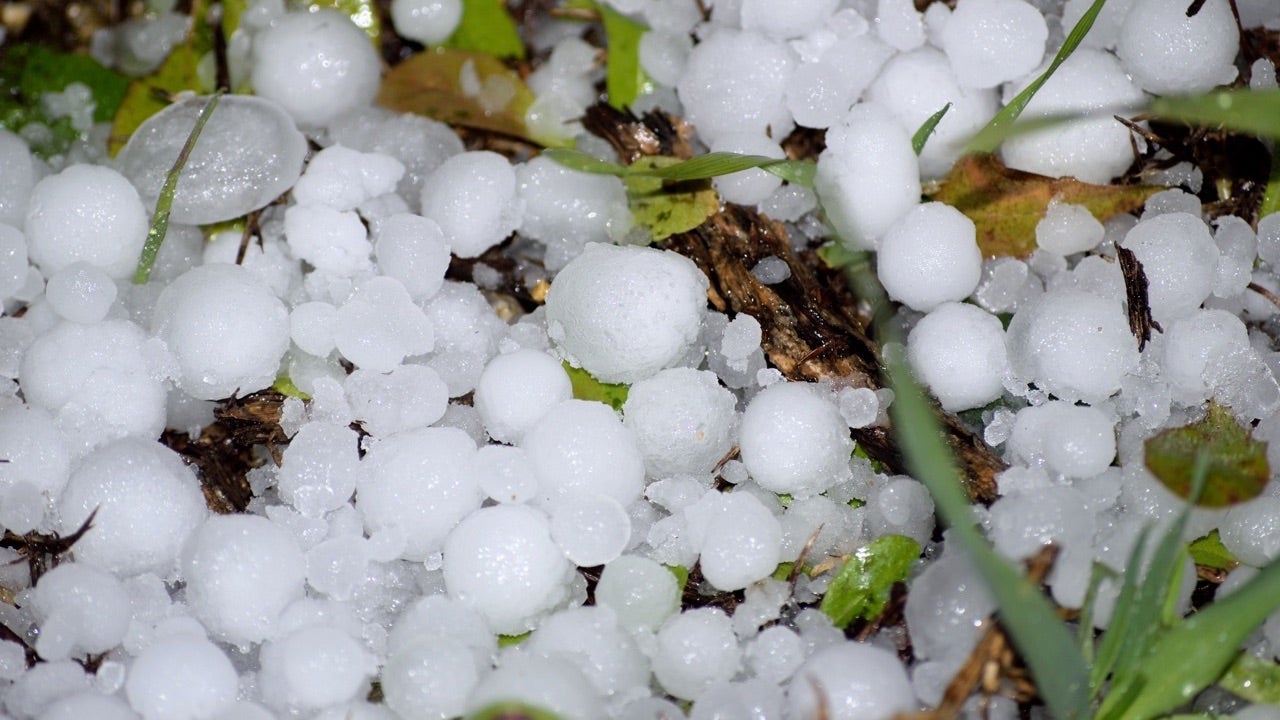
Queensland is currently facing a series of severe weather events, with the Bureau of Meteorology reporting wind gusts reaching 107km/h at Yeppoon on the Capricorn Coast and hailstones measuring 6–8cm in diameter in the Stanthorpe region. These conditions have resulted in substantial damage to the agricultural sector, particularly affecting high-tech greenhouse growers.

Large hailstones were also reported at Ruby Creek, east of Stanthorpe, posing a significant threat to the horticultural industry in the area. Narissa Corfe from the Granite Belt Growers Association highlighted the impact on producers in Dalveen, Applethorpe, and Pozieres, who are approaching their first harvest of the season. The damage to crops such as apples and berries has been extensive, with one grower reportedly losing their entire season's yield. This event underscores the vulnerability of the high-tech greenhouse sector to extreme weather conditions.

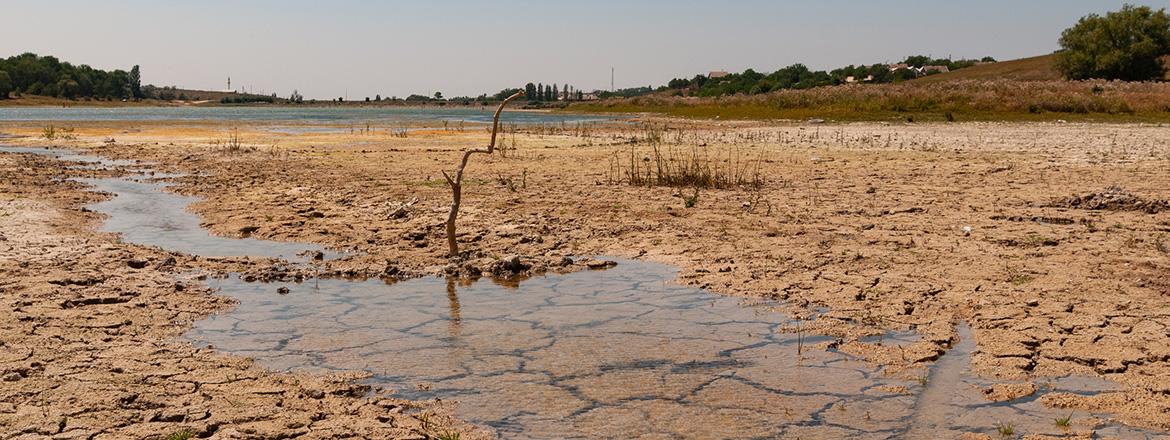
Additionally, the state has experienced a range of weather phenomena, from storms across southern, central, and northern parts to heatwave conditions in western and southwestern regions. Mount Isa, Birdsville, and Longreach are among the towns facing temperatures well above 40 degrees Celsius. The contrast between the storm damage in some parts of the state and the prolonged dry and hot conditions in others highlights the diverse challenges faced by Queensland's agricultural sector.

The severe weather events continue to pose challenges for the high-tech greenhouse growers in Queensland, emphasizing the importance of preparedness and resilience in the face of increasingly unpredictable weather patterns. As the state braces for more storms, the agricultural community remains vigilant, with a focus on mitigating the impact of these events on the sector.


Source - https://www.freshplaza.com

08.11.2026

Tanzania Secures $997,000 AfDB Grant to Expand Climate Insurance for Farmers

The project, titled “Bridging the Agricultural Risk Protection Gap to Scale Climate Smart Insurance,” is expected to benefit 300,000 farmers across 15 regions of Tanzania.

08.11.2026

India - Pune’s Crop Insurance Test Begins as Drought Cuts Kharif Yields

Pune’s crop insurance system is now facing a significant test after crop-cutting experiments recorded a 20-22% decline in soybean productivity and a 15% fall in maize production during a drought-affected kharif season. 

08.11.2026

Australia - Severe weather thwarts Victorian farmers ahead of bumper harvest

A hailstorm that smashed parts of Victoria's Mallee this week has devastated thousands of hectares of wheat, barley, lentils, canola and other cereal crops.

08.11.2026

Sudan fuel shortages damage crops in El Gezira as food prices soar, bakeries strike in North Kordofan

Fuel shortages and soaring production costs are damaging agricultural crops in Sudan’s El Gezira state, while rising food and transport prices are placing further pressure on household budgets.

08.11.2026

USA - Farm Banks Warn $140 Billion in Government Aid Is Masking Financial Risks

Agricultural lenders warn that $140 billion in emergency farm aid since 2018 may be masking financial risks as producers face rising costs.

08.11.2026

India - Yogi Government Doubles Disaster Death Compensation; Farm Aid Up by a Quarter

The Chief Minister’s Office says the revised norms will reach more than 10 lakh farmers, with higher payouts for crops, cattle, silk, homes and schools.

05.11.2026

Sudan asks insurance companies to fund winter agricultural season

The Sudanese government has urged insurance companies to use deposit surpluses and investments to finance the 2026-2027 winter agricultural season.

05.11.2026

Canada - Saskatchewan harvest now 99% complete: crop report

Harvest has wrapped up across Saskatchewan, with 99 per cent complete and only a few acres of later-seeded crops remaining in the field. Despite the challenges experienced this year, crop yields were consistent with 10-year averages and while many crops graded in the top-quality categories, some downgrading did occur due to late-season rain and pest activity.