

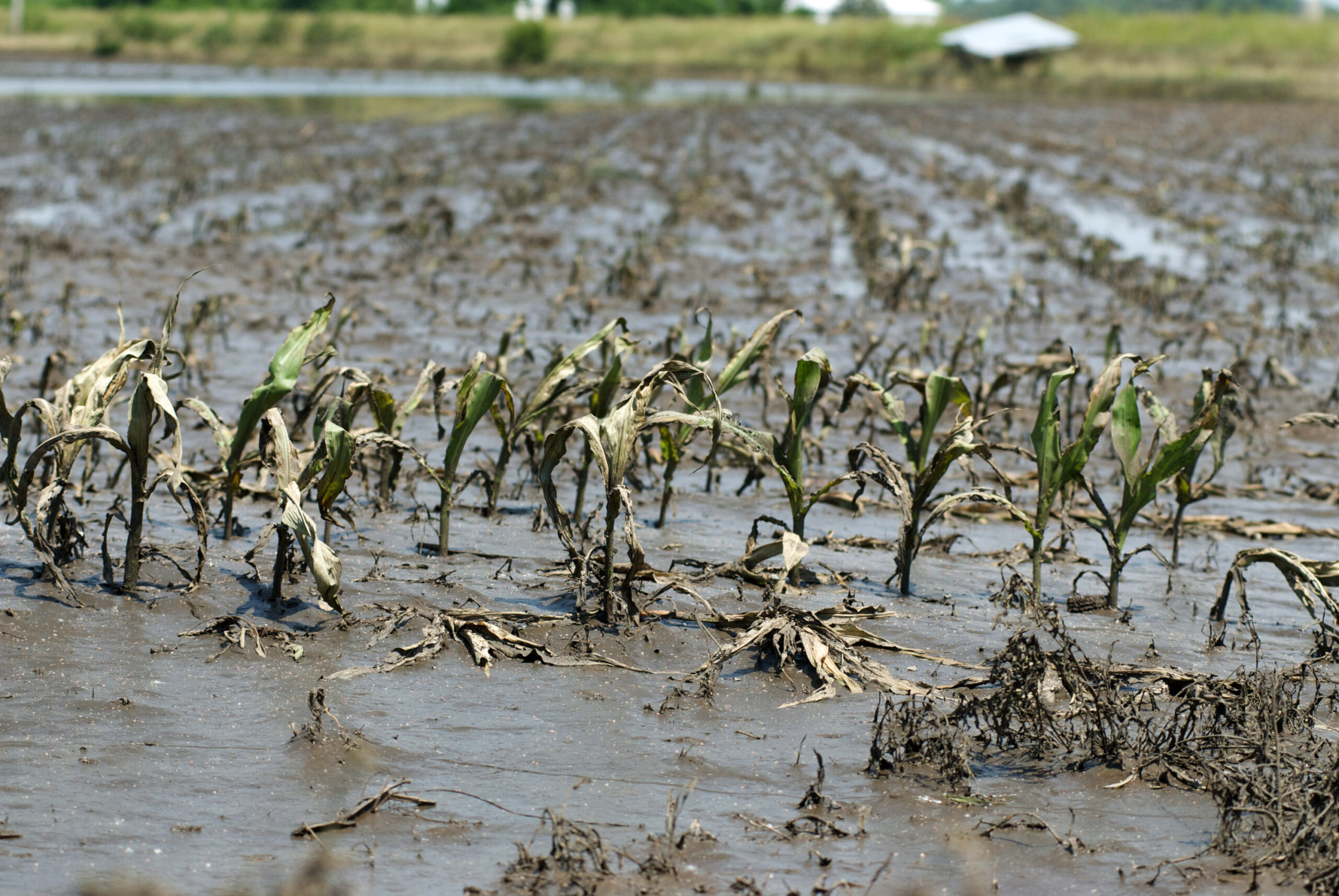
Flooding and excessive rains across key parts of Australia’s wheat growing areas have resulted in extensive damage to what was expected to be a record bin-busting high quality crop just a few weeks ago, exacerbating concerns over world food supplies.
A lower quality crop in Australia, the world’s No.2 supplier of the grain, comes as dryness in North America and the Russia-Ukraine war curb global supplies, fuelling red-hot food prices.
While Australia is still on track for a third year of bumper harvest, about half of the crop grown on its eastern grain belt – known for premium hard wheat – is likely to be reduced to animal feed, although the extent of the damage will be known after waters recede, traders, analysts and farmers said.
“There have been some growers who have had total loss … it’s still pretty raw for many people,” said Brett Hosking, a grains farmer in southern Victoria sate, who is also the chairman of the farmers body GrainGrowers. “In the next fortnight or so we will have a very clear picture.”
Residents in major regional towns across Australia’s most populous state are being urged to leave homes as slow-moving flood waters push downstream and the country’s fourth major flood crisis this year rolls into a second month.
Large swathes of farmland across Australian states of New South Wales, Queensland and Victoria have been inundated with flood waters, damaging wheat and other crops, including potatoes, and delaying sorghum planting.
“Floods have come at the worst time as the wheat crop was getting ready for harvest,” said Ole Houe, director of advisory services at agriculture brokerage IKON Commodities in Sydney.
“Initial estimates are that around half of the crop or around 8 million tonnes have been reduced to feed wheat quality on the east coast,” Houe added.
INFRASTRUCTURE DAMAGE
Top Australian grocer Woolworths Group Ltd WOW.AX said on Thursday that heavy rains may keep squeezing supply of farm-based staples, including potato chips, as soaring shelf prices contributed to a drop in its first-quarter food sales.
Floods have damaged roads and other infrastructure used to transport grains to domestic users and ports in the country.
“Roads are badly damaged, some have just been washed away,” said Matthew Madden, who grows wheat, barley and sorghum in Moree, northern New South Wales, one of the worst hit areas.
Benchmark Chicago wheat Wv1 jumped to an all-time high of $13.64 a bushel in March on global supply worries. The market is up almost 10% in 2022, after last year’s 20% gain.
The world is heading toward the tightest grain inventories in years despite the resumption of exports from Ukraine, as the shipments are few and harvests at major producers are smaller.
Adverse weather in key agricultural hubs from the United States to France and China is already shrinking harvests and cutting inventories, heightening the risk of famine in some of the world’s poorest nations.
Australia’s production is expected to reach an all-time high of around 40 million tonnes in the year to June 2023, traders and analysts say.
Source - https://www.hellenicshippingnews.com










