Australia considers national standards to address misuse of 'organic' label

13.01.2025 333 views

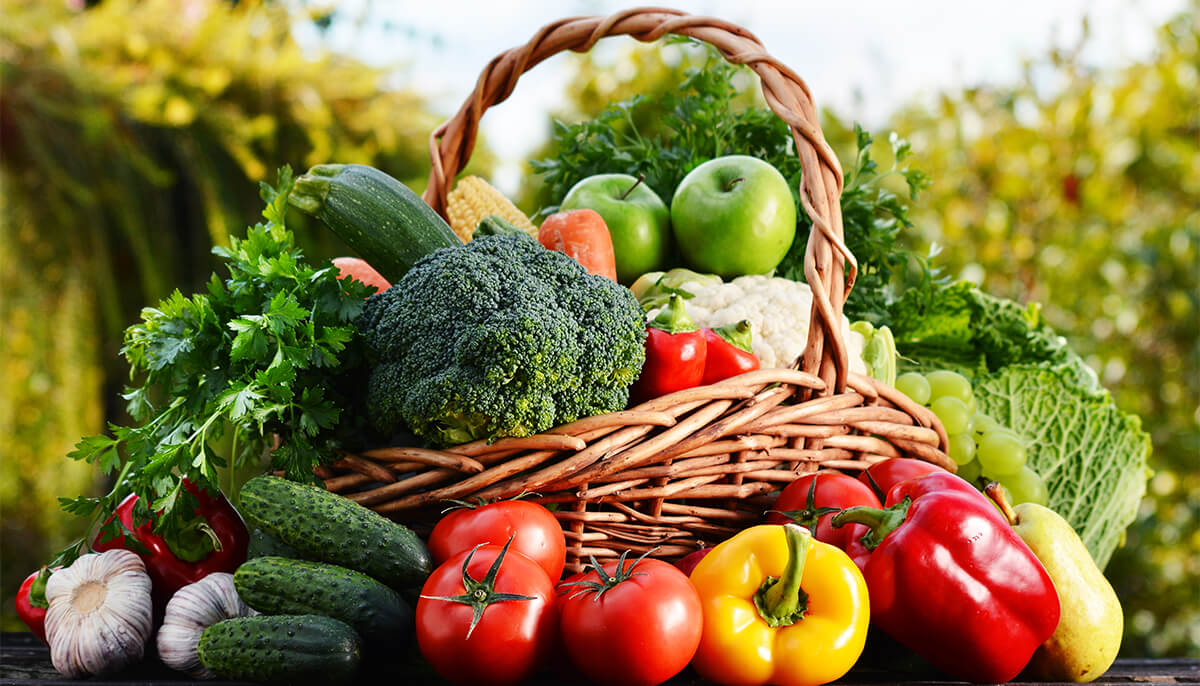
Australian organic farmers and retailers are raising concerns over the misuse of the "organic" label, which they argue leads to consumer deception.

This issue stems from the lack of a legal definition and certification requirement for organic products sold domestically in Australia. As a result, products can be marketed as organic without adhering to specific standards, potentially misleading consumers willing to pay a premium for organic goods.

The Coalition has proposed legislation to address this issue by establishing a legal definition for "organic" and restricting its usage to products that meet a mandatory standard. This move aims to align domestic regulations with the existing national standard for organic exports, which mandates certification by an accredited body and emphasizes sustainable practices.

Organic producers, such as Sonya Dowling of Enviroganic Farm in New South Wales, have reported instances of their brand names being misused alongside the organic label on non-supplied products. This highlights the broader issue of greenwashing within the industry, affecting not just poultry but also other sectors like cosmetics and produce.

Jackie Brian, CEO of Australian Organic Limited, pointed out that Australia remains the only developed country without domestic regulation for its organics industry. The lack of regulation allows products with minimal organic content to be marketed as organic, creating unfair competition for certified operators. A national domestic standard would not only protect consumers but also simplify the export process by eliminating the need for multiple certifications.

Despite the apparent benefits, the introduction of a domestic standard has been hindered by internal disagreements within the organic sector and concerns over the impact on smaller operators. The proposed legislation includes a three-year transition period for certification, with an exemption for operators with an annual turnover of less than $25,000 to mitigate financial burdens on small-scale producers.

The government is considering the recommendations from an inquiry into the bill, with a report due on 31 January. The outcome could significantly impact the organic sector, offering clearer guidelines for consumers and producers alike.


Source - https://www.freshplaza.com

08.07.2026

EU’s livestock strategy aims to tackle animal welfare, finance, disease challenges

The European Commission has adopted its first EU Livestock Strategy alongside a Protein Action Plan, setting out measures it says will help the livestock sector deal with economic pressures, animal disease risks, environmental requirements and shifting markets.

08.07.2026

Sri Lanka - Rs. 12 billion in crop damage compensation paid to over 200,000 farmers

The Agricultural and Agrarian Insurance Board has announced that crop damage compensation totaling Rs. 12,341.5 million has been paid to 202,025 farmers affected by last year’s Cyclone Ditwah.

08.07.2026

USA - USDA Introduces More Crop Insurance Options for Forage Producers

The U.S. Department of Agriculture (USDA) is expanding coverage options to add revenue protection for forage producers in 12 states, part of the Department’s efforts to put Farmers First through improved crop insurance.

08.07.2026

Canada - Severe damage reported following weekend storm

A powerful storm that moved through southwest Saskatchewan Sunday night brought heavy rain, strong winds and hail, leaving a trail of crop and property damage in the Swift Current area.

08.07.2026

India - Rain deficit leaves TN’s Vadamalli farmers staring at heavy losses ahead of Onam

A prolonged dry spell and the failure of seasonal rains have left Vadamalli farmers in Tamil Nadu's Coimbatore district struggling to save their crop, with large stretches of flowering plants beginning to wither across Thondamuthur Block.

08.07.2026

Kenya - Fear of crop failure, auction discourages farmers from taking loans- survey

Increasing interest rates and the fears of crop failure and being auctioned are top factors that have reduced the number of farmers taking up loans for agricultural purposes.

07.07.2026

Ukraine - Cold spring delayed soybean development and increased harvest loss risk

The cold spring and low temperatures at the beginning of sowing had a negative impact on the development of soybeans in Ukraine. 

07.07.2026

Severe storms drench China, leading to deaths and crop damage

China’s central and southern regions have been lashed by heavy rain that’s led to deaths and crop damage, with more extreme weather expected later this week from a strong typhoon heading toward the country’s east.