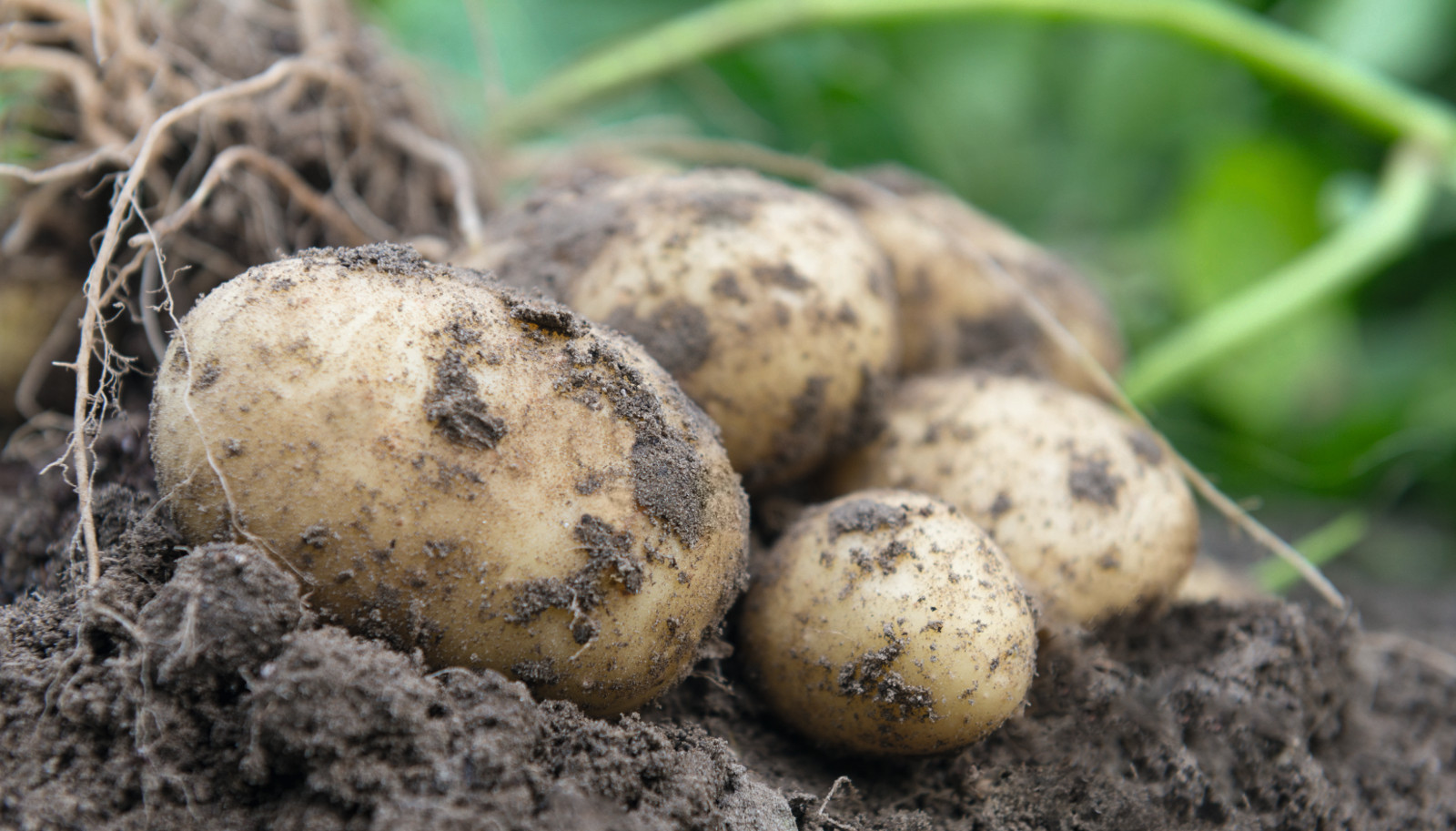
In the first week of June, there was significant rainfall in some of the Austrian potato growing areas. "In some regions, such as Burgenland, early potatoes have been harvested for the past two weeks. Due to the wet conditions, harvesting dates will inevitably be pushed back. Nonetheless, we still anticipate an average early potato harvest," reports Florian Kugler of Dorfinger KG. The company, based in Untersiebenbrunn, Lower Austria, is one of the main suppliers of potatoes and onions to the Austrian retail food industry.
Due to weather-related yield losses, the last of the domestic table storage potatoes were cleared by mid-April, Kugler continues. Subsequently, the focus shifted mainly to Dutch and French storage potatoes. "On June 4, we commissioned the last batch of French goods. Older German stocks was almost exclusively reserved for the domestic market. In this respect, we are also pleased that this year we can start two weeks earlier than usual with market-relevant quantities of domestic early potatoes, ensuring a smooth transition to the main harvest." The market situation for table storage potatoes has recently been balanced, with correspondingly stable prices.
The quality of the imported goods has been pleasing across the board. "France usually supplies us with primarily oversized goods, but this year the storage potatoes were somewhat smaller on average. From the Netherlands, we have sourced more organic produce this year, as the Austrian organic goods were cleared very early. Here too, we were thoroughly convinced by both the quality and the sizes of the tubers."
Moisture threatens winter onions
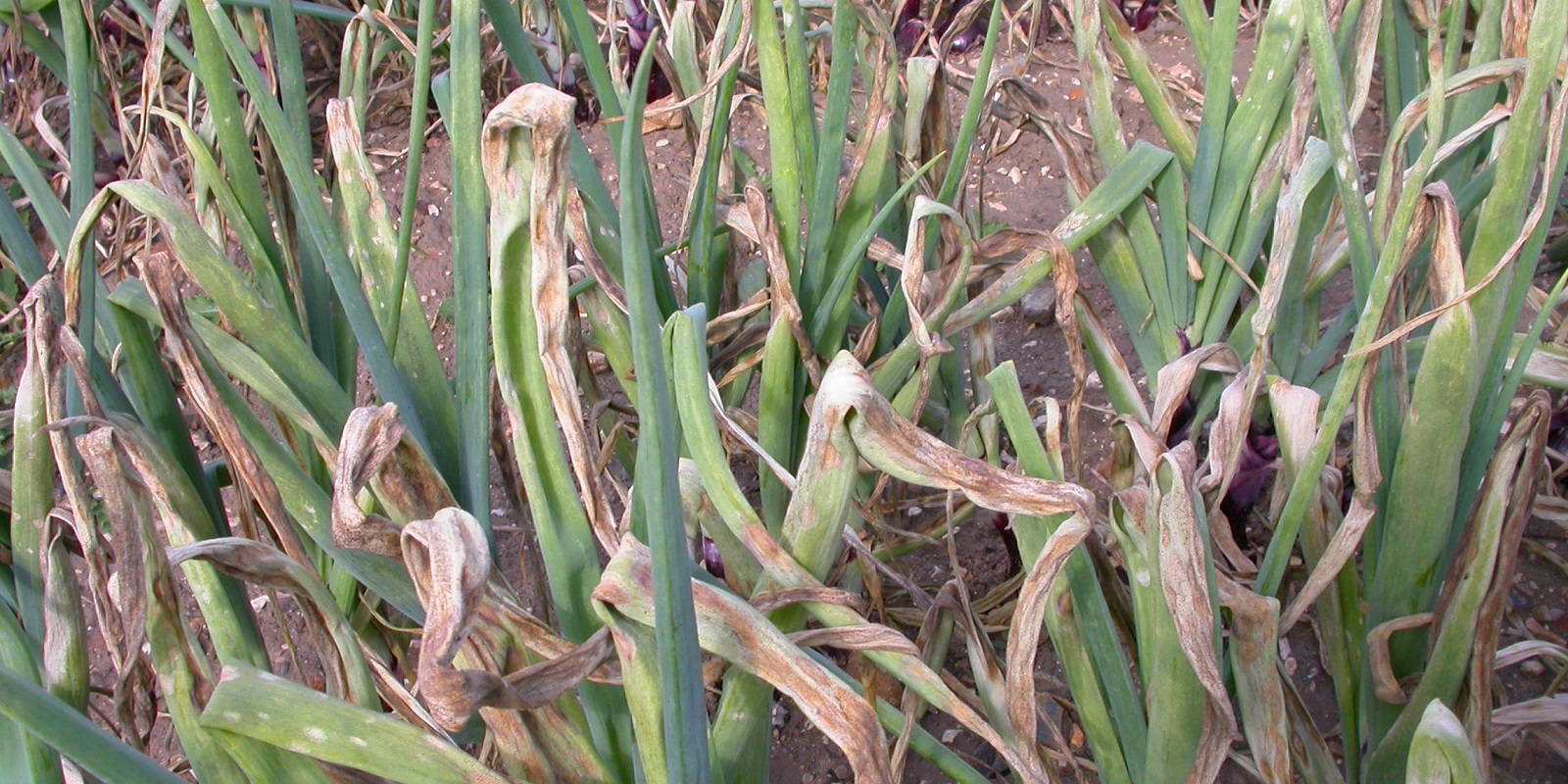
Meanwhile, the harvest season for Austrian winter onions is approaching. Kugler: "In some places, the harvest is already starting gradually. Here too, the weather is making its presence felt in the fields, as the moisture raises concerns about rot and mildew. Therefore, caution is advised in the coming weeks, although the impact will vary by growing area. Meanwhile, we still have sufficient storage onions available, so the continuity is ensured." For red onions, on the other hand, imported goods from the Netherlands are currently predominantly offered. The quality and quantities have been entirely satisfactory, Kugler reports.
Weather extremes and pest pressure
In the long term, Austrian producers are increasingly facing weather extremes and pest pressure. "Especially the increasing infestation of wireworms is causing significant distress to farmers and contributes greatly to existential fears. Our contract farming has remained almost the same, but generally, the area devoted to table potato cultivation in Austria is continuing to decline. Additionally, the prices of seed potatoes have risen significantly due to shortages, which in turn affects profitability. When you also consider the high energy costs of storage and the high effort per hectare, potatoes are losing their attractiveness to producers compared to other arable crops, such as wheat."
Reverse trend in organic potatoes and domestic garlic
From a marketing perspective, consumers are increasingly being driven towards convenience products, Kugler further observes. However, the currently stagnant demand for organic potatoes is shaping the market situation. In addition to potatoes and onions, Dorfinger KG has been dedicated to the procurement and marketing of garlic for a decade. The domestic market can now be supplied with domestic garlic until January. "In a few years, the total cultivation area has been reduced from 300 to 100 hectares. Nevertheless, domestic cultivation has now become a fixed part of our product range and thus of the assortment in Austrian retail," they conclude.
Source - https://www.freshplaza.com