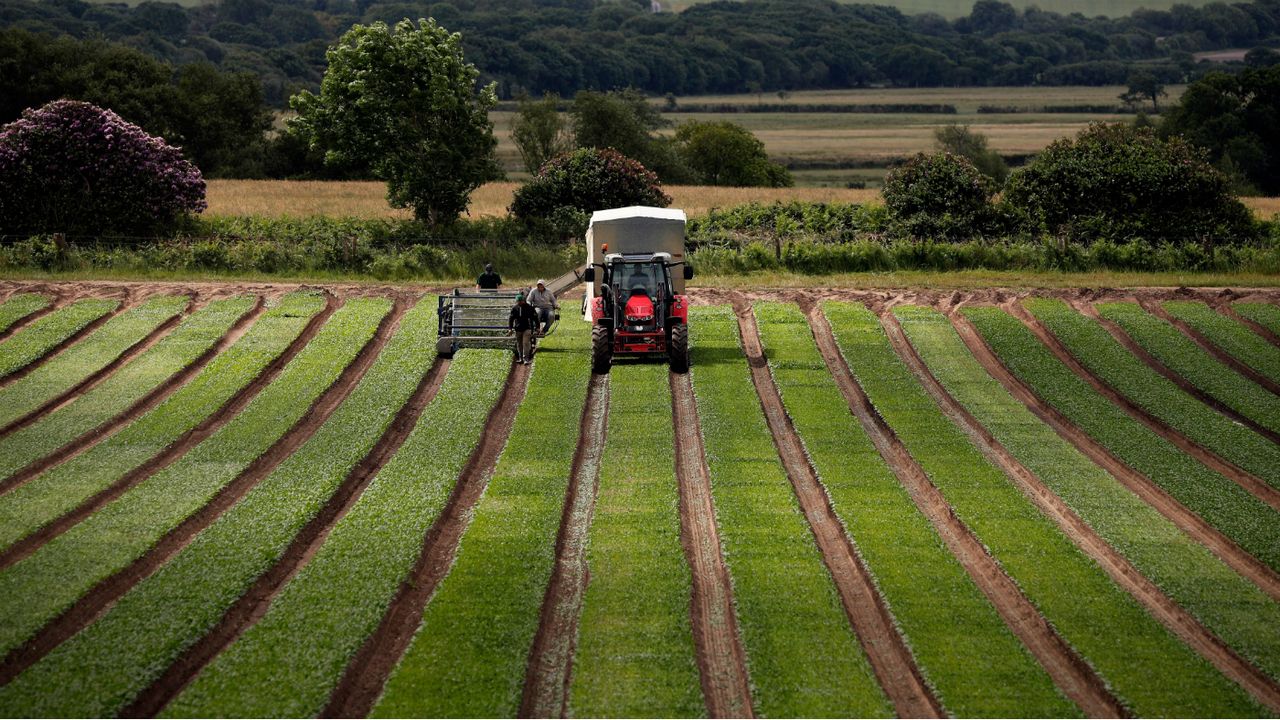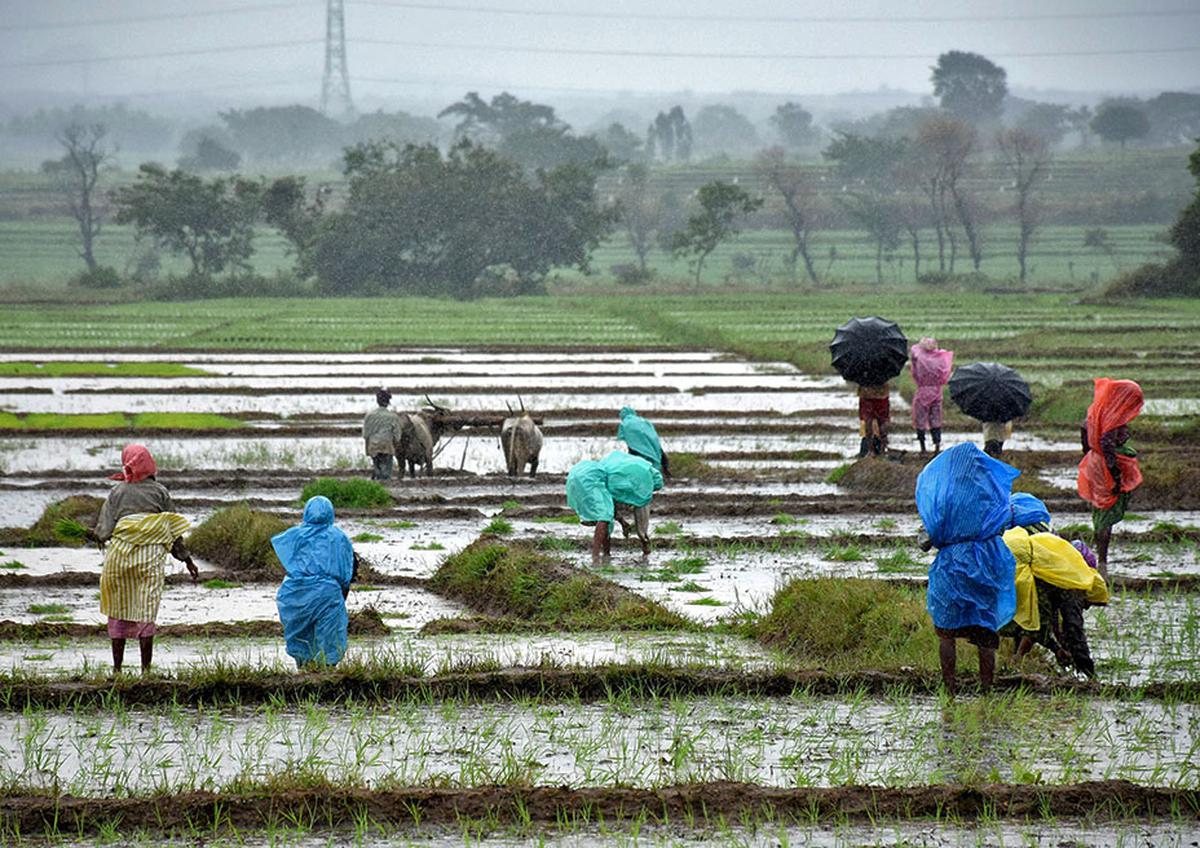
Bearing the burden of last 2-year’s losses, the cultivation of Irri-Boro is going on with new zeal. Farmers are busy planting Irri-Boro. But the farmers have to face some difficulties due to cold and dense fog. Along with this, the cost of production has also increased. However, if the weather is good, the farmers hope that the yield will be good.
According to the information of different District Agriculture Extension Department, farmers of Boro have been given 5 kg seeds, 10 kg DAP and 5 kg MOP fertilizers as incentives from the agriculture office. Till now land have been planting work has been completed.
Farmers are busy preparing and planting land in different fields of the district. But this year there is some delay due to winter. Zeerashail, BR-28, 48, Suvarna Lata and hybrid varieties of rice are being planted.
Saiful Islam of Chakchapai village of Sadar upazila of Noagaon said that there was a huge loss of crops in the last Boro season. Due to natural calamities, the land had to be threshed. If the weather is good this year and there is no natural calamity, then we will be able to harvest properly. This time I planted boro in 16 bigha land.
Khabir Uddin Pramanik, a farmer of the same village, said that the cost of crop production has increased due to the increase in the prices of fertilizers, pesticides, fuel oil and labor. Halchas per bigha is Tk 1000, DAP fertilizer Tk 440 (20 kg), Potash fertilizer Tk 440 (20 kg), Urea Tk 630 (30 kg), Pesticide Tk 2000, Seedling planting Tk 1500, Grass cutting Tk 1500, water irrigation two maunds of paddy (market price Tk 2,400) and paddy threshing Tk 5-6 thousand (total -Tk 14,910).
Starting from planting the boro plant to the house it costs about Tk 15 thousand. And the yield is about 24-28 maunds per bigha. Although last year we were affected by natural calamities. I hope there will be no problem this year. The price of rice will also be good in the market.
Shailgachi village farmer Majnu Sardar said, I have planted the land for 17 days. Seedlings turn yellow due to heavy fog and winter. Where the seedlings are damaged, new mulch should be applied. It will cost extra.
Amirul Islam, who came to work from Sapahar Upazila of the district, said that 15 boros came to Sadar Upazila to do rice planting work as there was no work in the area. Tk 1300-1500 per bigha is the contract of paddy planting. Due to winter, it is very difficult to work in wet land. 3-4 Bigha land is being planted per day due to cold weather. Our income has decreased.
Farmer Fazlur Rahman of Kalikapur village of Atrai upazila of the district said that the prices of fertilizers, pesticides, fuel oil and labor have increased. The paddy market has been on the upswing since the last Boro season. Cultivation of rice requires a lot of labor and expense. Can’t be profitable than that. As the cost of crop production has increased. Therefore, if the price of paddy is above Tk 1200, it is beneficial for the farmers.
Deputy Director of Naogaon District Agricultural Extension Directorate. Abu Hossain said, this year, the target of boro cultivation has been set at 1 lakh 89 thousand 100 hectares of land in the district. From which there is a possibility of producing about 1.25 lakh metric tons of paddy. Besides, the target of rice production has been set at eight lakh 28 thousand metric tons. There is some problem with the cooling system. But hopefully the desired target will be met.
Farmers in different districts are having a busy time planting boro paddy. Some prepared the land and planted the seedlings from the seed bed, while others started the care after planting the paddy. However, this time, the farmers have faced additional costs at the beginning of boro cultivation. Especially due to the increase in the price of diesel oil, the cost of plowing and irrigating the land has increased.
Meanwhile, farmers have to spend extra money on seeds, fertilizers and labor wages. Compared to last year, the cost per bigha of a farmer has increased by at least 25%.
Talking to the farmers, it is known that last year the cost of a tractor for cultivating five in one bigha of land during Boro season was Tk 1200. However, this year the cost of cultivation is Tk 1800. Irrigation cost was Tk 1500 per bigha. This time the cost is Tk 1800 to 2000. At the same time, the cost of planting saplings has also increased by Tk 300 to Tk 400 per bigha.
Farmer Imran Hossain of Ramchandrapur village of Tarakanda upazila of the district is preparing one acre of land for boro cultivation in the current season. He has also prepared seeds for this. Now preparing the land and planting seedlings.
Ikram Hossain said, “Up to the planting of saplings, 1500 taka more than last year has already been spent per bigha.”
Farmers are planting boro paddy seedlings in his land with 6 workers at Tk 600 per bushel (eight percent). He also said, ‘We who are farmers have little capital. Everything has gone up in price. Running a household is a liability in this cost market. Now we are struggling to meet the additional cost of boro cultivation.
Giyas Uddin Master, farmer of Char Lakshipur village of the same upazila, said, “During the last Boro season, workers had to be paid Tk 400 per day including breakfast and lunch. This year, even if it is increased by Tk 100, workers are not available.
Matiur Rahman, farmer of Paguli village of Phulpur upazila, said, “Electricity bill, irrigation cost, tillage cost, labor cost, fertilizer and pesticide cost have all increased. In this situation it is becoming impossible for us to cultivate. But there is no way without cultivating the land. What to eat all year? It would be good for the farmers if the government extends its support.
Mymensingh District Agriculture Extension Directorate office sources said that in the current season, a total of 2 lakh 62 thousand 550 hectares of boro plantation has been set in the district.
Matiuzzaman, Deputy Director of the Mymenshingh Agriculture Extension Department, said, “Due to the global crisis, fuel oil prices have increased. As a result, the cost of farmers in Boro paddy cultivation has slightly increased in the current year. We are trying to meet the essential needs of farmers. Still about 50 percent of the rice planting work is left. We hope that the farmers will complete the planting of Boro holding saplings very soon.
Source - https://dailyindustry.news