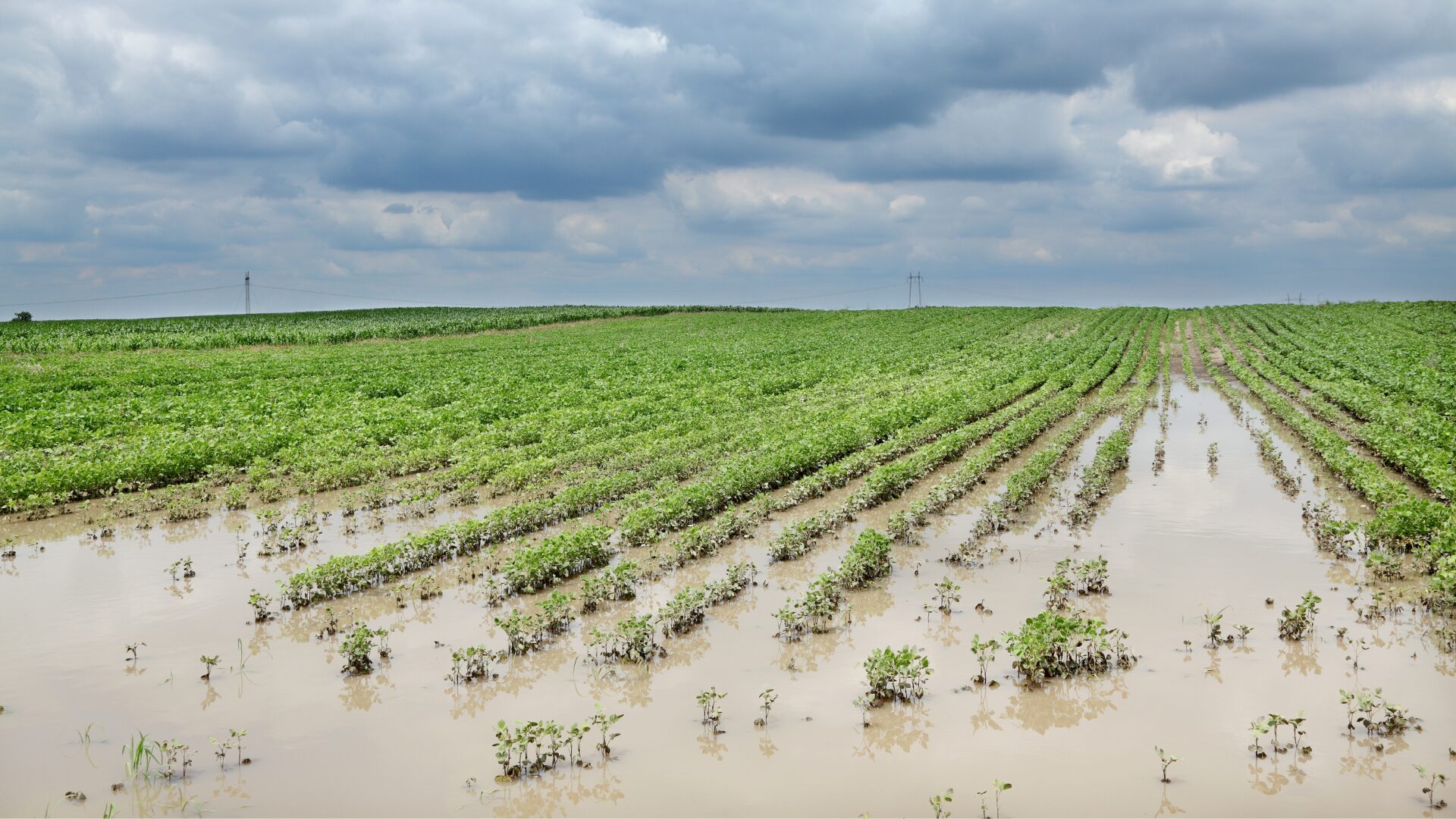
Engineers and academics on Monday stressed the need for technology-driven flood forecasting and early warning systems to strengthen Bangladesh's resilience against floods and minimise damage to lives, livelihoods and agriculture.
The observations came at a seminar titled "Flood Resilience Through a Digital Twin Framework", organised by the Civil Engineering Division of the Institution of Engineers, Bangladesh (IEB) at its headquarters in Ramna, Dhaka.
Speaking as the chief guest, IEB President and Rajuk Chairman Engineer Mohammad Riazul Islam (Riju) said farmers in Sylhet and Sunamganj frequently suffer severe losses due to flash floods, particularly during the harvesting season.
He said reliable and timely flood forecasts would enable farmers to take advance measures to protect their crops, significantly reducing losses.
Riazul stressed the importance of expanding technology-based flood forecasting, digital information systems and early warning mechanisms, saying effective use of technology could make Bangladesh's agriculture more resilient and sustainable.
He also said IEB continues to contribute to technological innovation, professional capacity building and the country's overall development, while playing a constructive role in disaster management, agricultural modernisation and sustainable development.
BUET Vice-Chancellor Professor Dr Ekramul Haque, who attended as the guest of honour, said the increasing frequency and severity of floods in Bangladesh require greater integration of modern technologies into disaster preparedness and response systems.
He said effective use of technology-driven forecasting and early warning systems could significantly improve disaster management and reduce losses of lives and property.
Special guest Dr Md Moniruzzaman, Additional Secretary of the Ministry of Local Government, Rural Development and Cooperatives, said although people living in riverine and rural areas are accustomed to seasonal flooding, flash floods caused by heavy rainfall or upstream water flows often create severe uncertainty and widespread damage to homes, crops, livestock and infrastructure.
Professor Dr Engineer Md Sabbir Mostafa Khan, Head of the Department of Water Resources Engineering at BUET and Honorary General Secretary of IEB, said Bangladesh has long relied on manual water-level gauges to monitor floods, but sensor-based technologies now allow continuous real-time data collection and transmission for faster analysis.
He said the Bangladesh Water Development Board is already providing real-time water-level data from monitoring stations, which is helping improve flood forecasting and early warning systems while supporting researchers, engineers and policymakers.
The keynote paper was presented by Professor Dr Jasim Imran of the Department of Civil and Environmental Engineering at the University of South Carolina, USA.
Engineer Md Ainul Kabir, Vice-Chairman of the IEB Civil Engineering Division, delivered the welcome address, while the seminar was chaired by Engineer Muhammad Shafiqul Islam (Khoka), Chairman of the division. Engineer Nesar Uddin, Secretary of the division, moderated the programme.
Source - https://unb.com.bd