Belgium - Far fewer kiwi berries, thanks to heatwave

08.09.2022 960 views

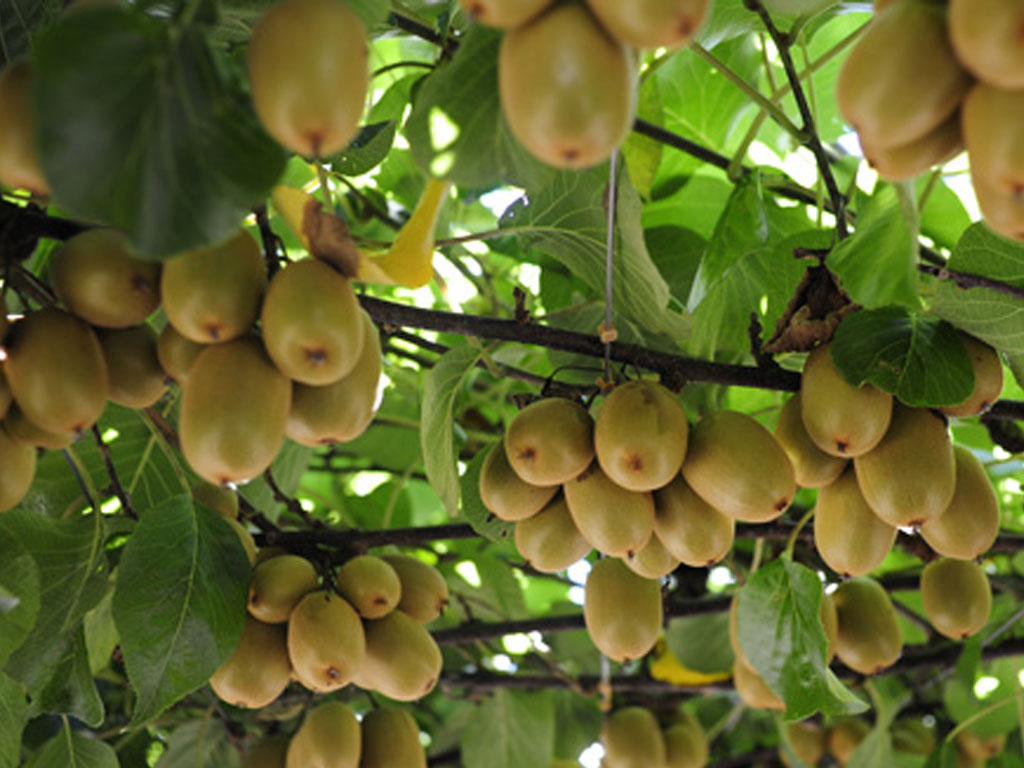
It is kiwi berry season at Coöperatie Hoogstraten in Belgium. This exotic snack fruit is usually back on store shelves from early September through October. "However, this year's season will be much shorter; we could only harvest the expected volumes," says this Belgian cooperative's Natalie Snijers.

The main culprit? The recent heatwave. "The drought and heat severely damaged the kiwi berries. That, combined with a declining acreage, has resulted in significantly smaller volumes. That means the local market season will only last about three weeks this year."

The cooperative works with about 15 growers who cultivate these berries in Belgium and the Netherlands. "Unlike traditional kiwis, which need a warm climate, kiwi berries can be grown locally without any problems when using the correct cultivation techniques," explains Natalie.

"Also, this crop is highly disease and pest-resistant. They've been in our assortment for ten years now. And we've done plenty already to bring this fruit to people's attention. This year, too, we're having many promotions to provide these bite-sized vitamin bombs their well-deserved place alongside the well-known berry varieties," Natalie continues.

Hoogstraten is thrilled with this season's quality. "Naturally, there's damage, but the berries taste delicious. We also sort strictly to ensure that only the best quality ends up in supermarkets. An optical system sorts the kiwi berries by size, skin quality, color, and ripeness." These berries have all the properties needed to become a true Belgian and Dutch success story. "Demand certainly isn't bad either. Kiwi berries are healthy and bite-sized and, so, fit in perfectly with the convenience trend and this back-to-school period," Natalie concludes.

Source - https://www.freshplaza.com

04.06.2026

India - Delhi raises crop damage compensation after 10 years by over 50% to Rs 75,000 per hectare

In a major relief for farmers, the Delhi government has increased compensation for crop loss caused by rain and hailstorms from Rs 20,000 per acre to Rs 75,000 per hectare.

04.06.2026

Why Tech-Driven Agro-Insurance Has Stumbled in Ethiopia

For decades, Ethiopia’s agricultural sector has remained trapped in a dangerous paradox. 

04.06.2026

UK - Rural crime cost Wales £2.2m last year despite fall in offences

Rural crime cost Wales an estimated £2.2 million last year, with organised criminals continuing to target tractors, livestock and farming equipment despite an overall fall in offences, according to a new report.

04.06.2026

Kenyan Agro-Insurance Startup, Pula Raises US$ 20 Million in Series B Round

Pula, a Kenyan startup that offers insurance to small-scale farmers, aims to serve more than 100 million farmers in Africa after raising US$ 20 million in its Series B round. 

04.06.2026

USA - USDA announces $52M to boost public access to private lands for hunting, fishing

The U.S. Department of Agriculture is announcing $52 million to help state and tribal governments encourage private landowners to allow public access to their land for hunting, fishing and other wildlife-dependent recreation through the Voluntary Public Access and Habitat Incentive Program (VPA-HIP). 

04.06.2026

Hope Grows in Malawi’s Grain Stores as Farmers Battle Post-Harvest Losses

Some grain rots in poorly ventilated storage. Some is eaten by pests. Some is damaged during drying or transportation before it ever reaches the market.

03.06.2026

Canada - AFSC extends several northern Alberta seeding dates for 2026

Alberta’s Agriculture Financial Services Corp. (AFSC) is extending the recommended seeding dates in the province’s northeast, northwest and Peace regions for several crops for the 2026 growing season only.

03.06.2026

India - Elephants run amok in Konaje agricultural farm, cause massive crop damage

A herd of elephants, including calves, wreaked havoc on an agricultural farm belonging to Yashodhara Gowda at Pallattadka in Konaje village of Kadaba taluk.