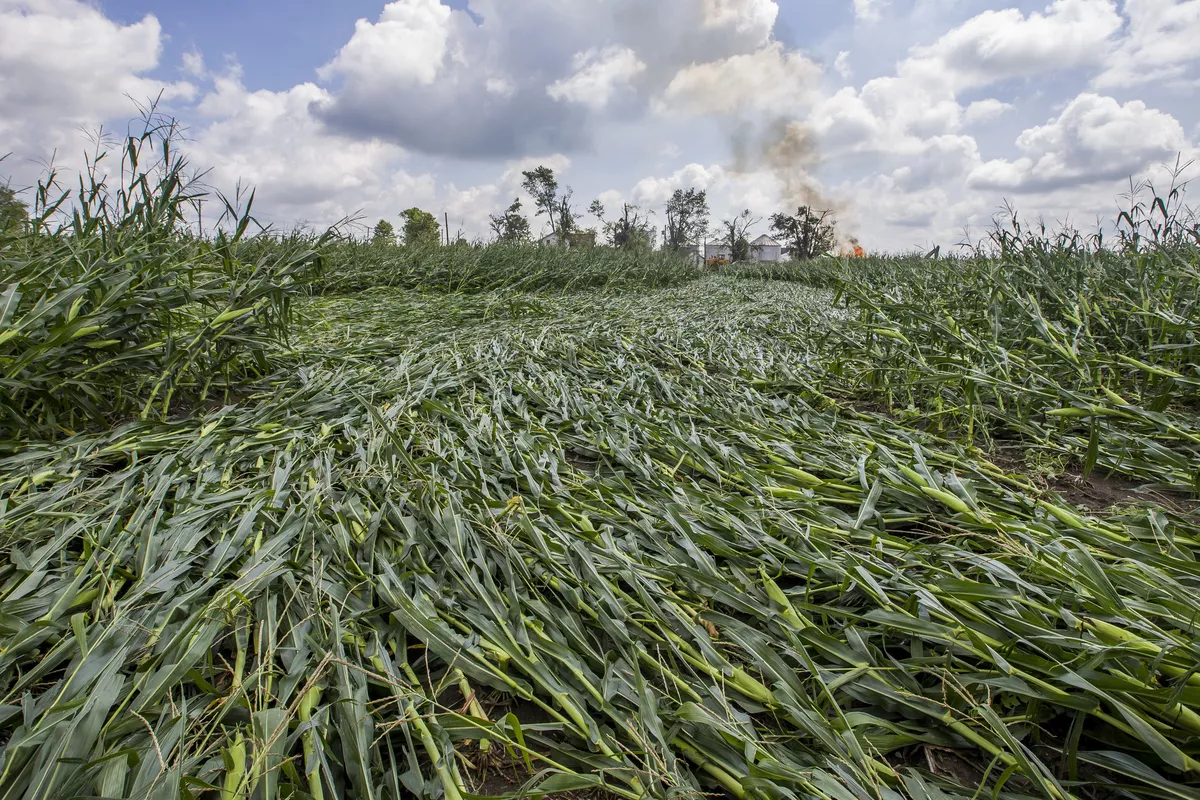
There is much uncertainty about the upcoming Belgian potato season. The problems in the spring and the difficult conditions now that harvesting has slowly begun are affecting yields. "We still have a long way to go, but we can almost certainly already say we're not going to see top yields," begins Jurgen Duthoo of potato packer Warnez Potatoes.
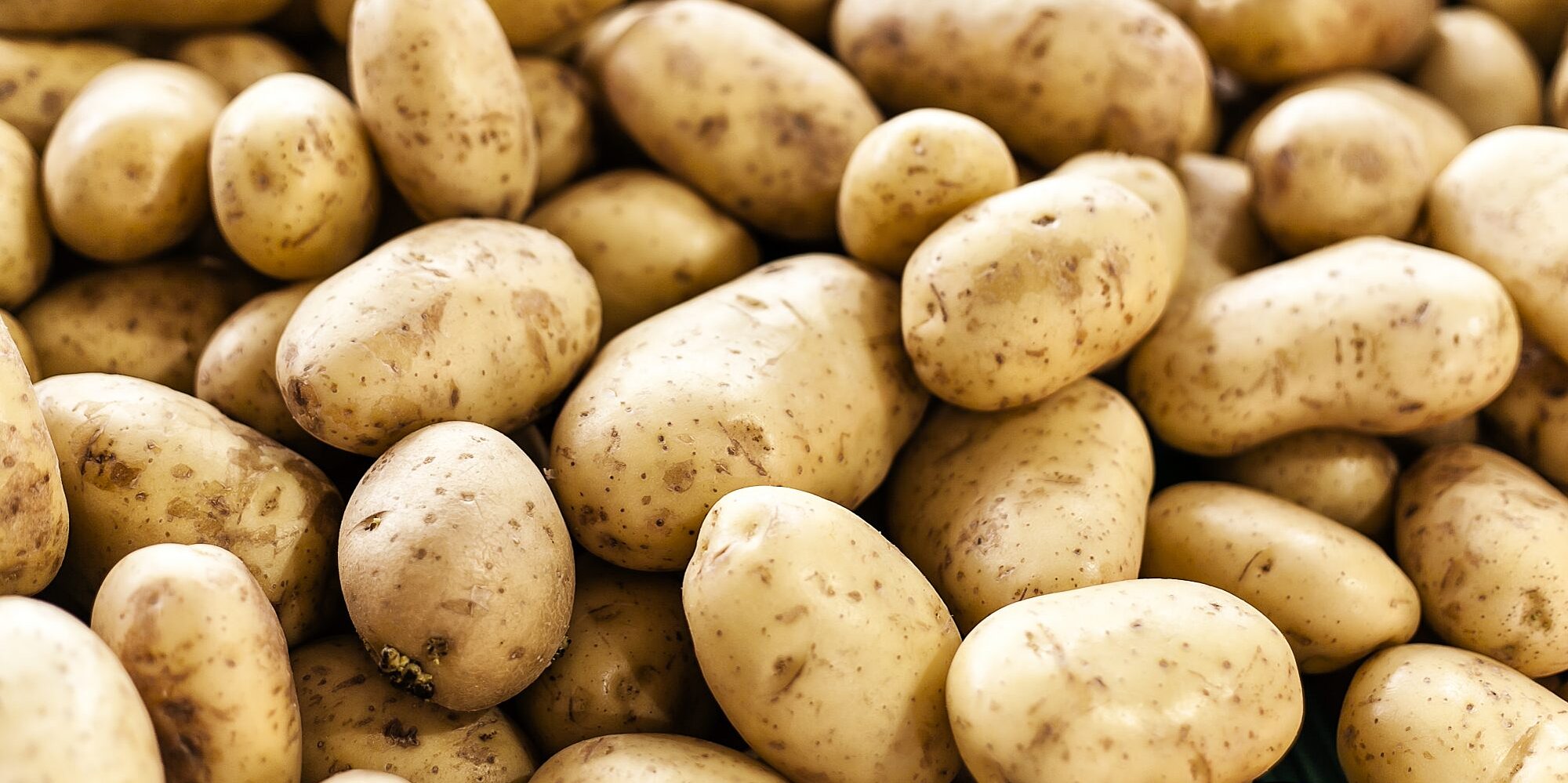
Much has already been written about the new potato season's issues and that creates some market uncertainty about availability. "Because of those reports, customers have called us, too, asking if it's really that bad. It's immediately apparent when you stand in the field. Our plants have only five or six tubers; it's usually double that. There's also lots of soil and few large calibers. That brings you to 20 tons per hectare, considerably less than other years."
"The PCA has published its first test results. They monitor 36 plots. They, too, reached an average of 20 tons per hectare. When they compare that with the last five years' average of the same period, it shows we should actually be at 30 tons. So we're about ten tons behind, and we planted more than three weeks late," says Jurgen.
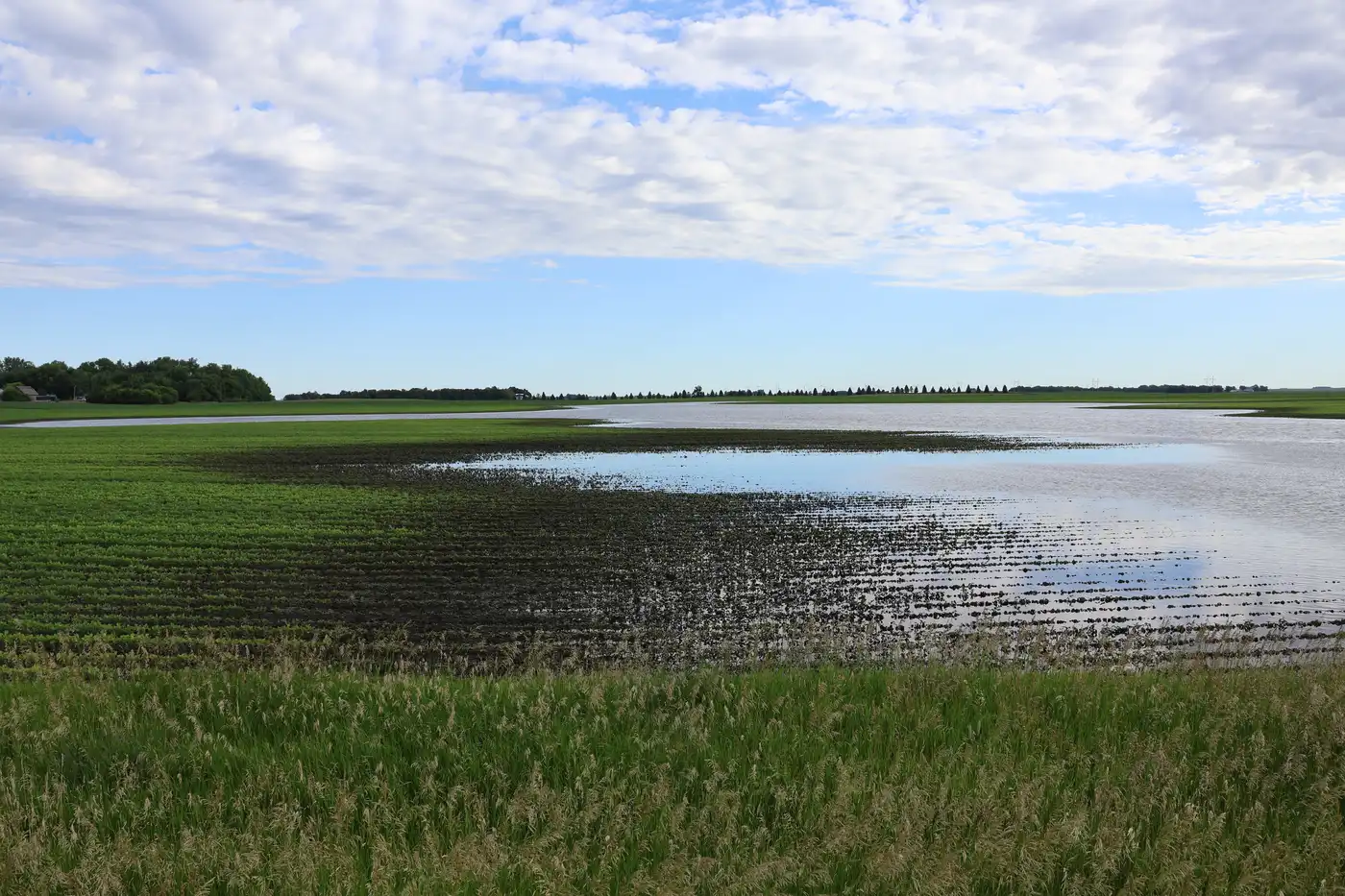
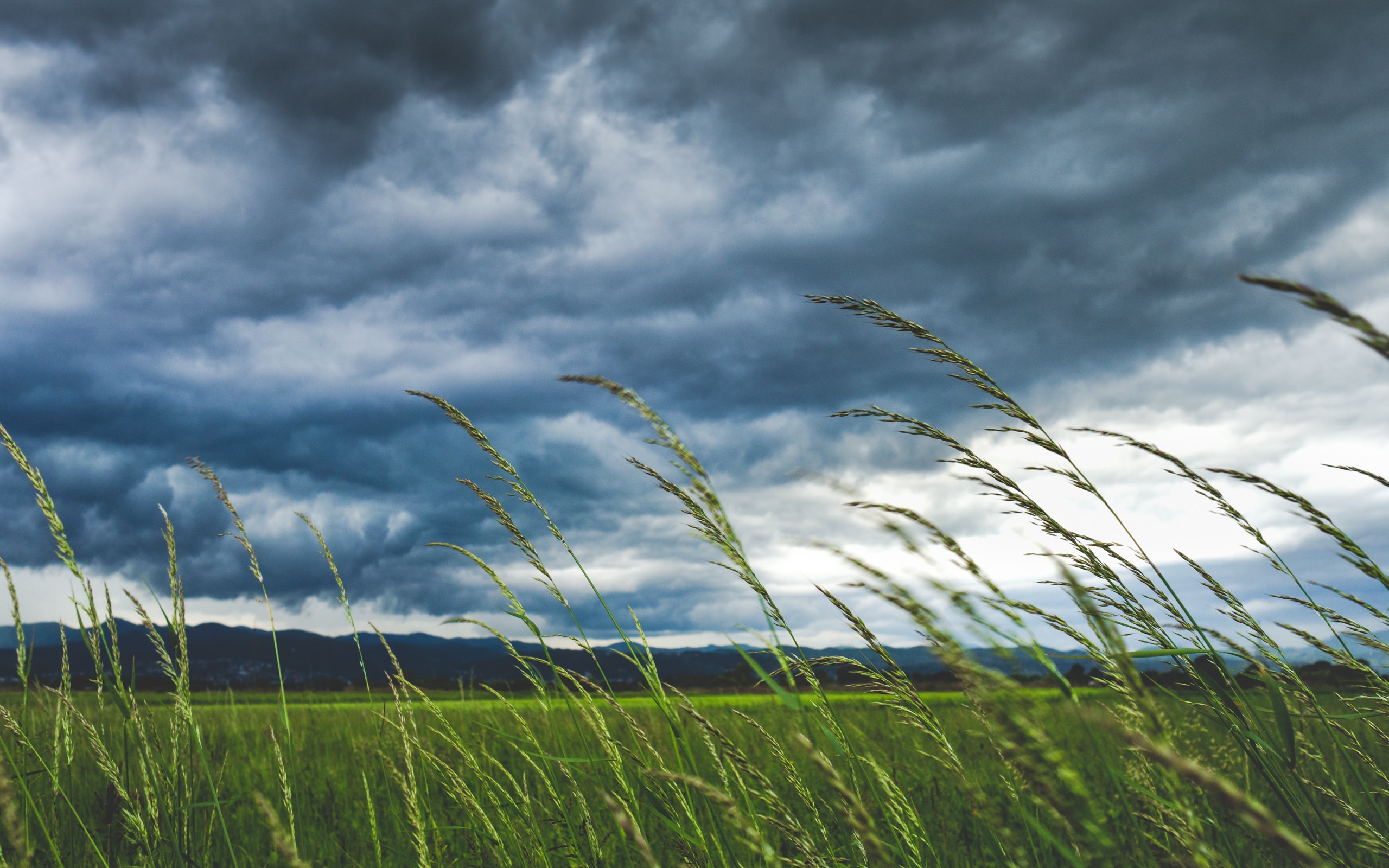
It is, thus, evident that there will be significantly fewer early potatoes than last year. Warnez Crop manager Stijn De Pourcq recently explained it to regional broadcaster Focus | WTV. "The recent weeks' rains are considerably delaying everything. The machines are running slower than anticipated, so everything's well behind schedule," he says.
Does that mean availability will be problematic for the rest of the season? "That's a very difficult question," Jurgen explains. "It depends on whether nature can recover or if this trend will continue throughout the season. Usually, everything's grubbed by late October. However, now we've only just started small-scale harvesting of early potatoes for the processing industry. We normally start in July, so that's much later."
"You then also have to wonder if there's enough time to develop the extra kilos of the other potato plants. They'll have to come out of the ground at some point, though. We aren't going to harvest in the winter," Jurgen points out. "We'll have to wait and see how they'll hold up in storage too. It's still a long, uncertain road in which much will be determined in August and September. However, we can conclude there will be fewer-than-usual tubers per plant."
And that will probably make itself felt in prices for a while. "That's a logical consequence if there's far less supply than demand. Also, it's tough to predict when that will be effectively corrected. As long as availability remains limited due to the current conditions, prices will reflect that," Jurgen concludes.
Source - https://www.freshplaza.com