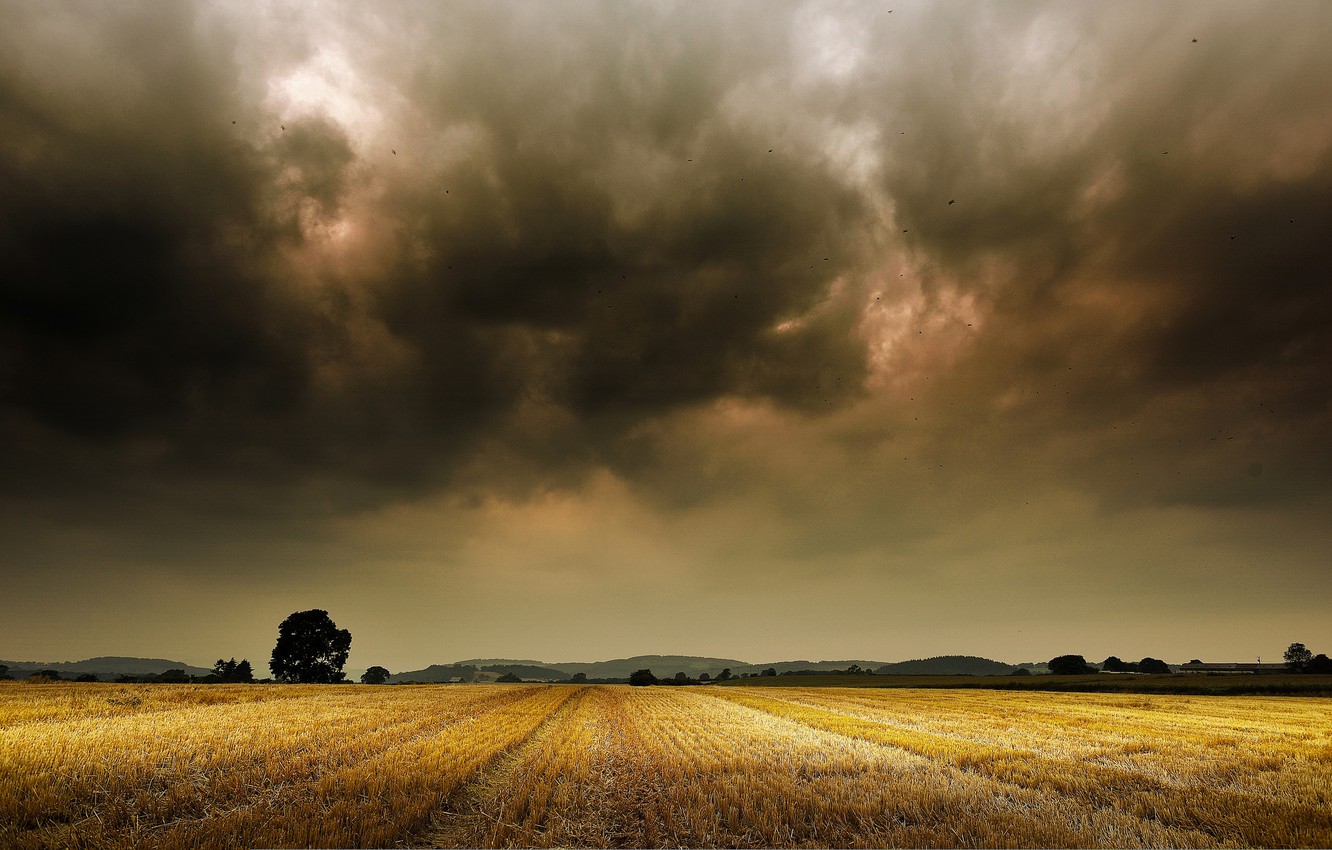
Arable growers are reeling from up to $10 million in crop losses after a trio of widespread hail storms whipped through Canterbury farms.
Farmers across two generations are struggling to recall a hail event leaving such a vast trail of damage.
Some of them were struck in all three hail events between Christmas and the new year, but will receive only partial insurance compensation for ruined crops.
A disaster relief insurance scheme, compulsory for wheat growers, run by the United Wheatgrowers New Zealand (UWG), covers only feed and milling wheat crops.
Growers of high-value seed, grass, barley or other crops are being left out of pocket by the destruction as few of them are covered by private insurers.
The sudden showers of frozen rain follow $6m in losses from a hail storm landing between Canterbury’s Methven to Highbank in December 2023.
UWG chairman Michael Tayler said overall crop losses might be as much as $10m and at least $5m-plus by the biggest hail event seen across the widest area in the scheme.
He said a dozen claims would normally be received across 300ha, but extra assessors had to be brought in because of the magnitude of the storms.
"We have had three back-to-back hail storms coming through Christmas and we are up to 73 claims.
"Just over 4500ha have been affected. So it’s been very widespread from North Otago, inland of Oamaru to the plains and right up to the Rakaia River with the major claims in the Mid Canterbury area."
He said losses varied from 5% of wheat crops to a few of them being completely written off — unseen before.
Mr Tayler said his farm had been hit twice this summer and he could empathise with what Mid Canterbury farmers were going through.
"They are not only claiming for their wheat, but they have been devastated by their high-value crops like brassicas, radishes, peas, barley and everything else being hit as well.
"While they are claiming for their wheat, a lot of them have lost a lot of their year’s income.
"It has been gone by one hail storm and it’s pretty devastating for them."
Those with less damage would continue harvesting wheat crops, but some farmers had been forced to chop them for cereal silage as stock feed.
Some crops were only weeks away from being harvested.
Mr Tayler said the problem with cropping was most of its income came in through a small window of eight weeks.
Farmers were vulnerable when crops were about to be harvested and all their money had already been spent on fertiliser and other inputs, he said.
The UWG scheme pays $250 per tonne to cover the basic costs of replacing crops, but not lost income from the $500-plus/tonne farmers might have got from harvested crops.
Nonetheless, wheat growers will be glad they voted last year nearly 90% in favour of retaining the levy another six years for the disaster relief insurance scheme.
Mr Tayler said he imagined the scheme would be even more popular after this event.
"No-one likes paying insurance until your house burns down."
The disaster follows farmers working towards minimising crop losses over harvesting.
A new Foundation for Arable report has worked out the average grower with a 200ha farm growing a mix of barley, wheat, canola or oilseed rape, ryegrass, clover and small seeds or other grasses could save $23,000 from losses.
The estimate was based on growers setting harvesters correctly, adjusting their ground speed and carrying out maintenance.
Source - https://www.odt.co.nz