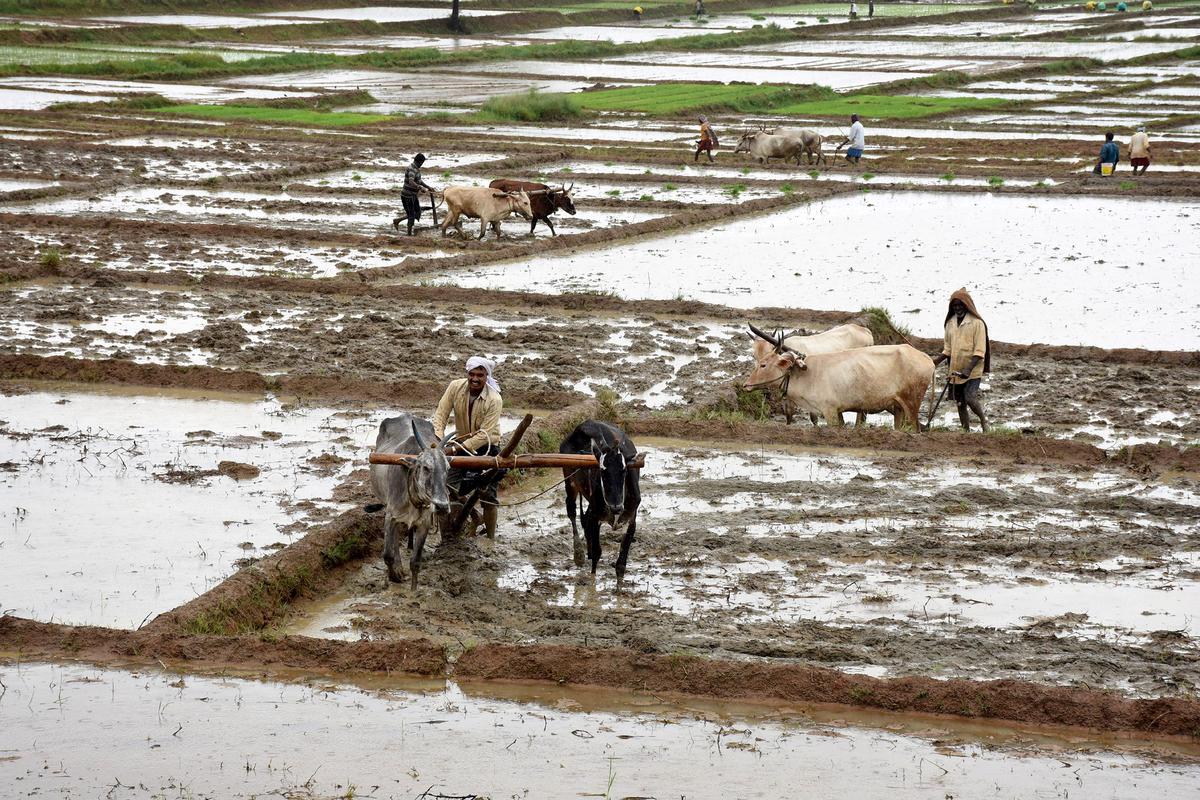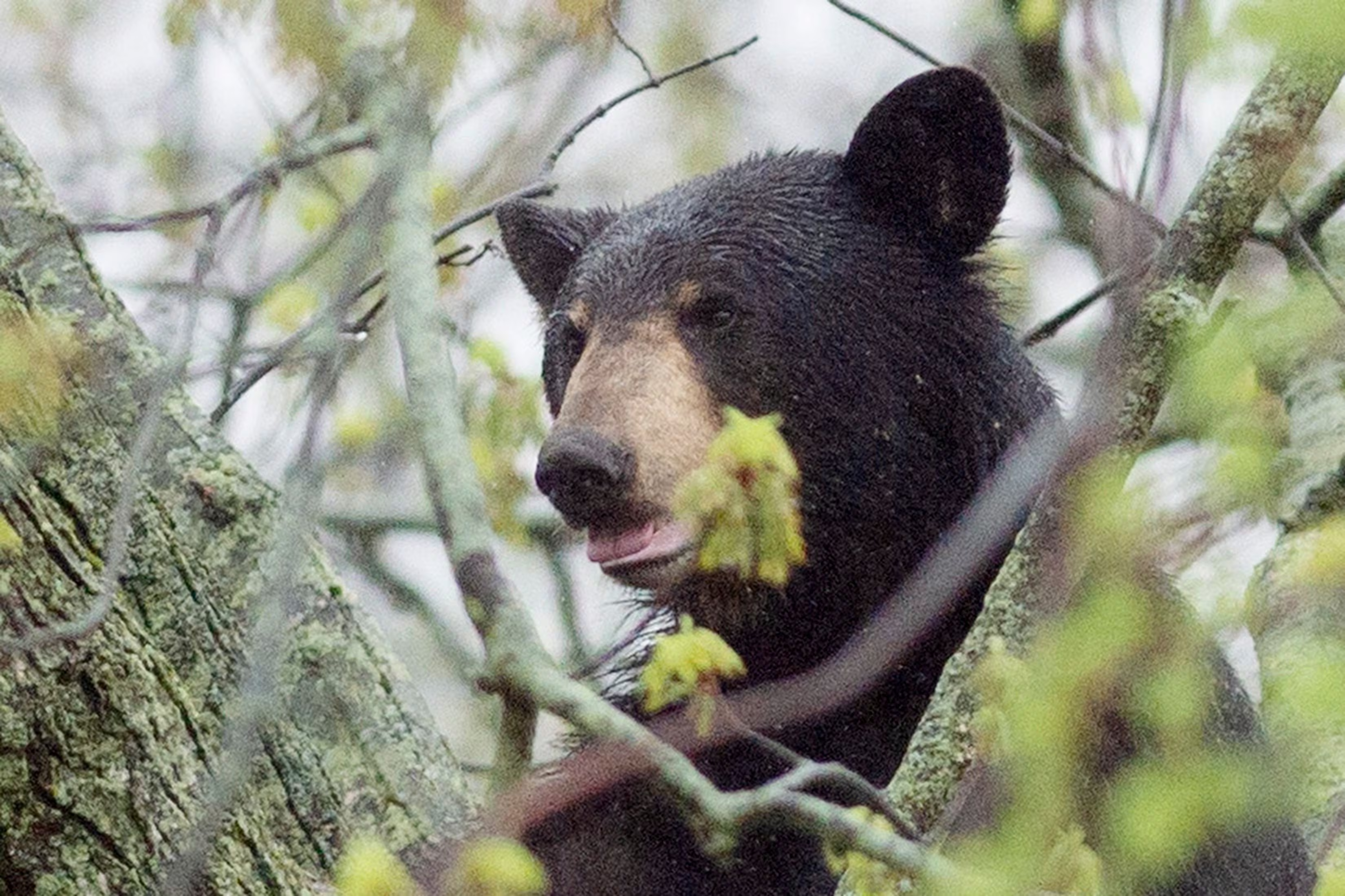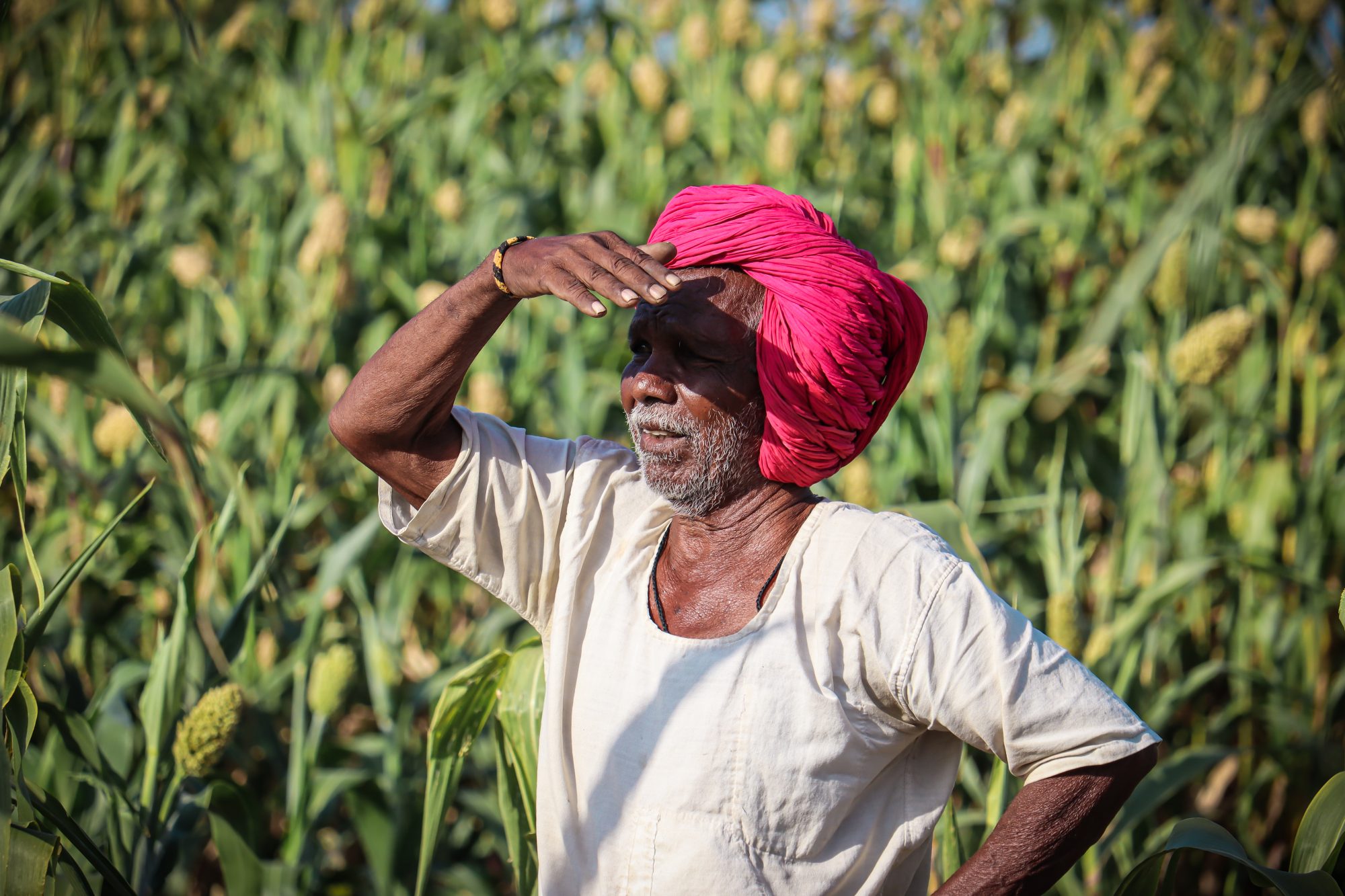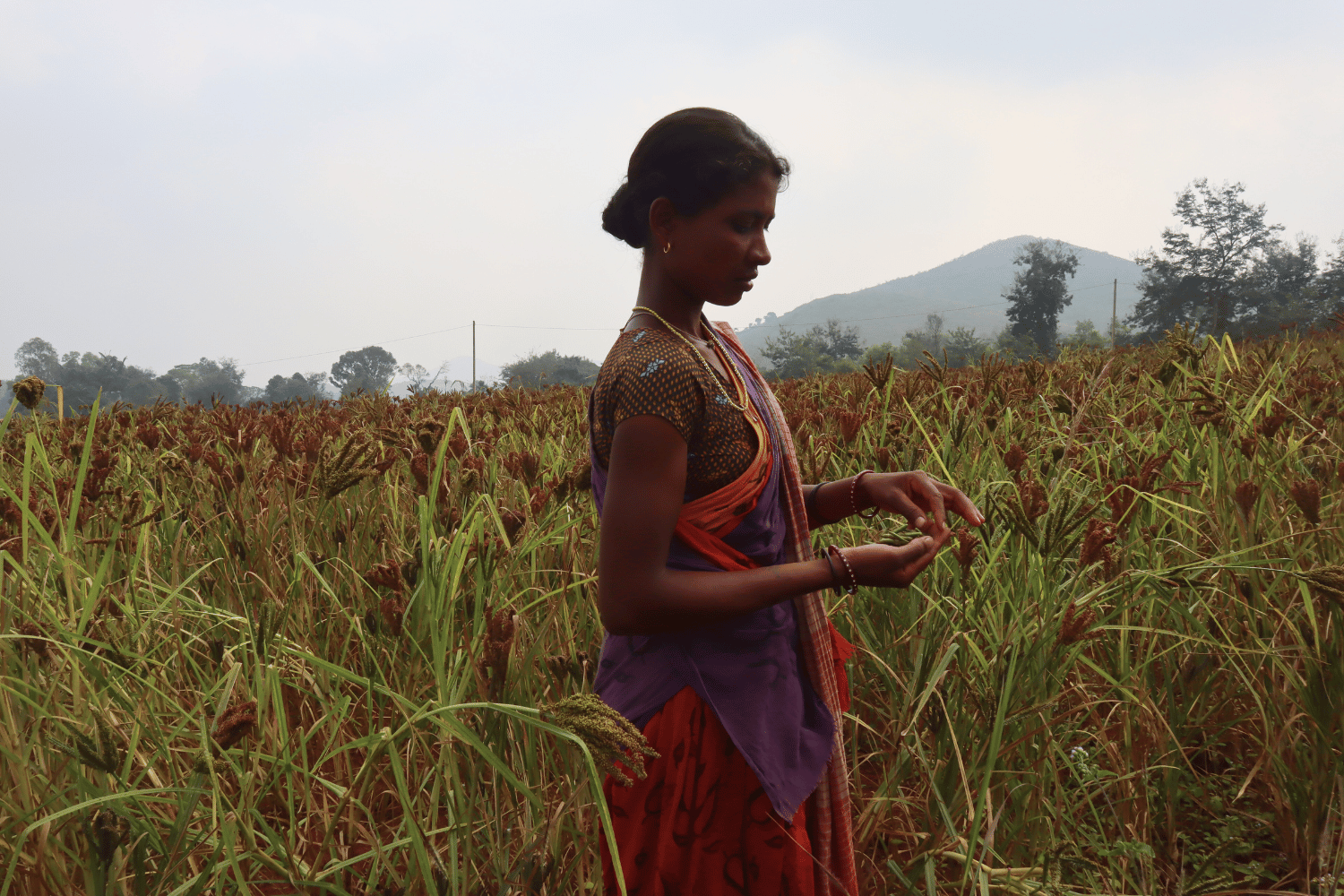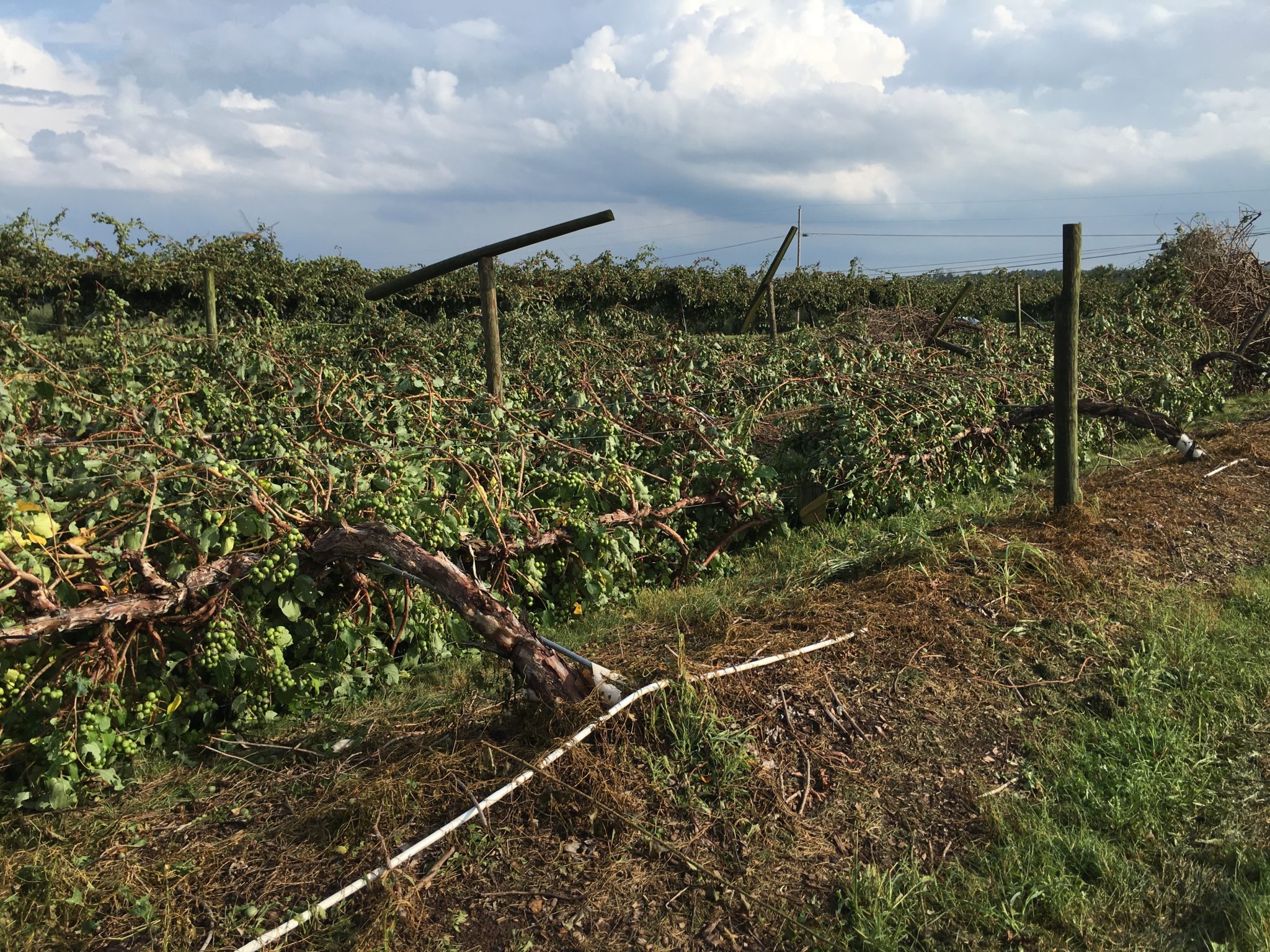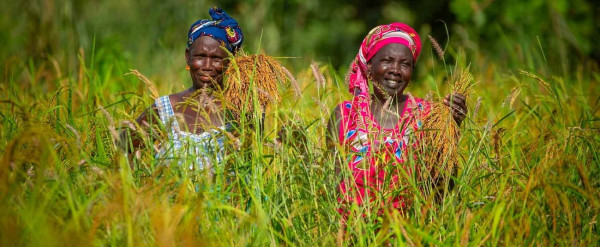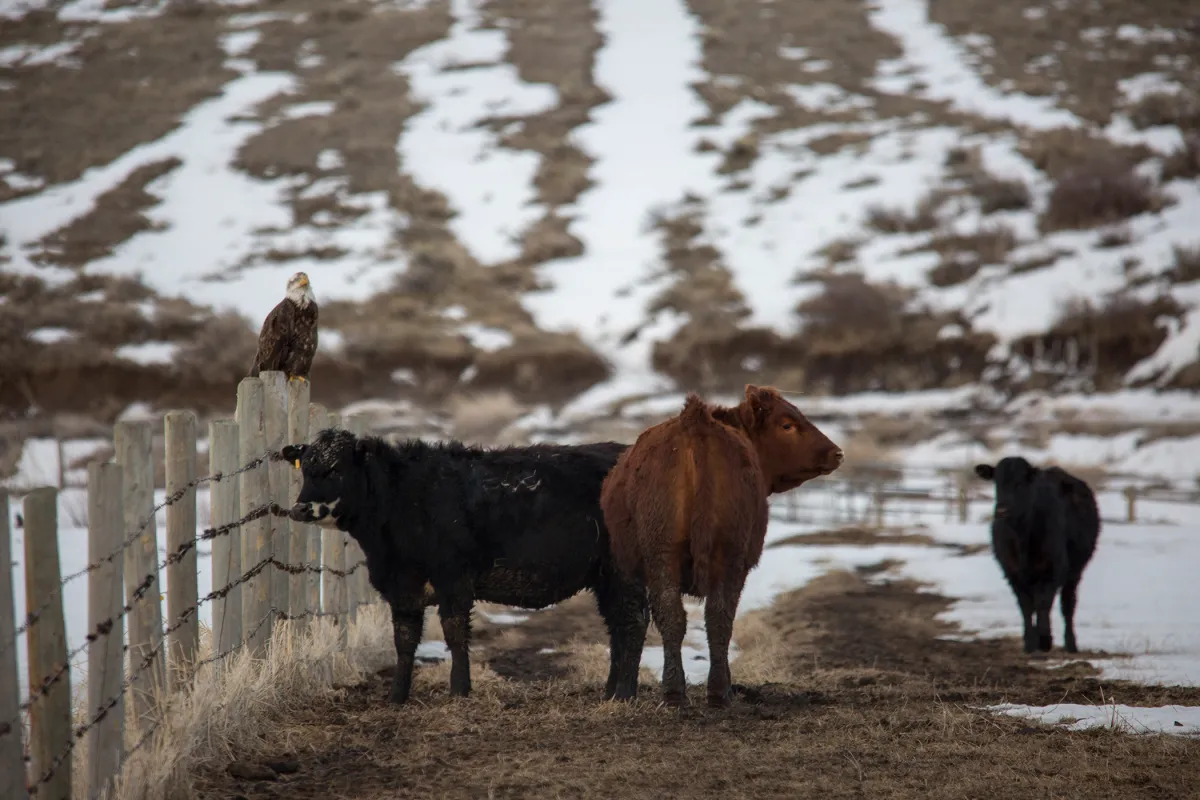
The government has revived its plan to introduce the National Crop and Livestock Insurance Scheme in a bid to protect farmers from the dual threats of climate change and wildlife depredation.
The insurance scheme, which will cost the government an estimated Nu 927.83 million over the next four years, will provide a safety net for farmers suffering from crop and livestock losses.
Agriculture and Livestock Minister Younten Phuntsho presented the proposal to the National Assembly on November 18, outlining the revised scheme, which is set to launch next year.
The initiative follows a resolution passed during the 1st session of the 4th Parliament, which called for the establishment of a Crop and Livestock Damage Compensation Trust Fund.
The agriculture and livestock minister acknowledged the challenges faced in previous attempts to develop a compensation mechanism, including failed efforts in 2017 to create an endowment fund and in 2021 to implement an insurance plan.
During discussions, some Members of Parliament (MP) expressed concerns about the affordability of insurance premiums for farmers and suggested the creation of a trust fund as an alternative. Others called for expanding the coverage to include additional crops and highland livestock.
MP for Radhi-Sakteng, Tashi Tenzin, questioned the finance ministry’s lack of support in past years, asking how much of the insurance costs would be covered by the government.
The agriculture and livestock minister assured the House that the scheme would strike a balance between government support and farmer contributions, with reduced premiums compared to previous proposals.
Under the new plan, premiums for crop insurance start at 5.8 percent, and livestock insurance at 15 percent in the first year, making the scheme more affordable for farmers.
Unlike the previous trust fund model, which could be depleted by large-scale disasters, the ministry has prioritised an insurance-based model. This offers greater financial stability, predictability, and scalability, while also encouraging proactive risk management among farmers.
The scheme’s total cost over four years will amount to Nu 927.83 million, with government contributions distributed as follows: Nu 331.37 million in the first year, Nu 265.09 million in the second year, Nu 198.82 million in the third year, and Nu 132.55 million in the fourth year.
To ensure accessibility, the ministry has proposed a pilot programme with a 50 percent government subsidy on premiums. This subsidy will be adjusted based on the affordability of both the government and the farmers, creating a more sustainable financial model.
The ministry has worked closely with the Ministry of Finance and insurance companies to refine the proposal, incorporating technical feedback and cost estimates for decision-making.
While an Endowment Fund for compensation was approved by the Cabinet in 2017, it could not be implemented due to unforeseen challenges. The renewed focus on an insurance model is seen as a more sustainable and equitable solution for the farming community.
The agriculture and livestock minister expressed confidence that the revised scheme would soon be implemented, offering farmers protection from natural disasters, climate change impacts, and wildlife damage.
“This initiative, which underscores the government’s commitment to supporting agricultural communities, is seen as a pivotal step toward achieving self-sufficiency and bolstering rural livelihoods,” he said.
The National Assembly supported the proposal, with 29 out of 40 Members voting in favour of the insurance model over the trust fund option. The House instructed the minister to submit a follow-up report during the Summer Session.
Source - Kuensel