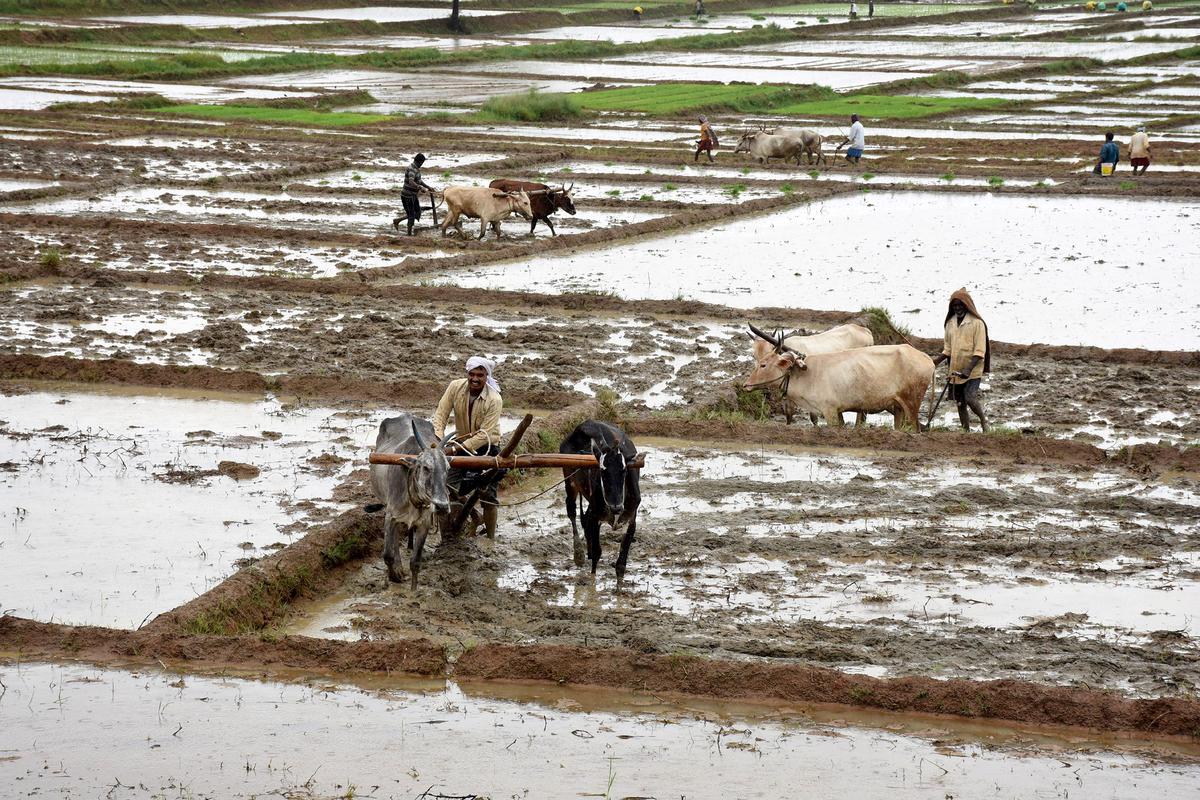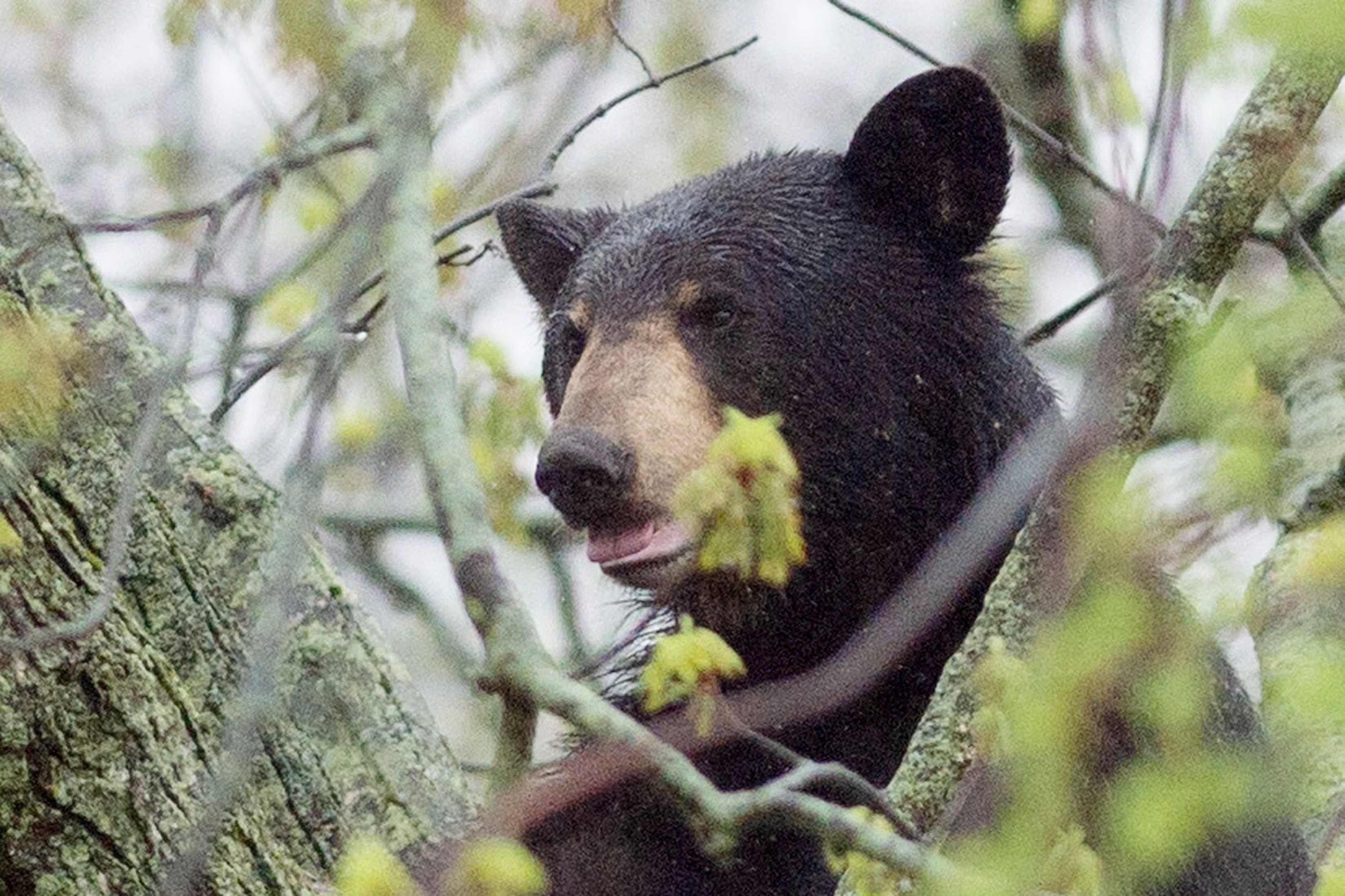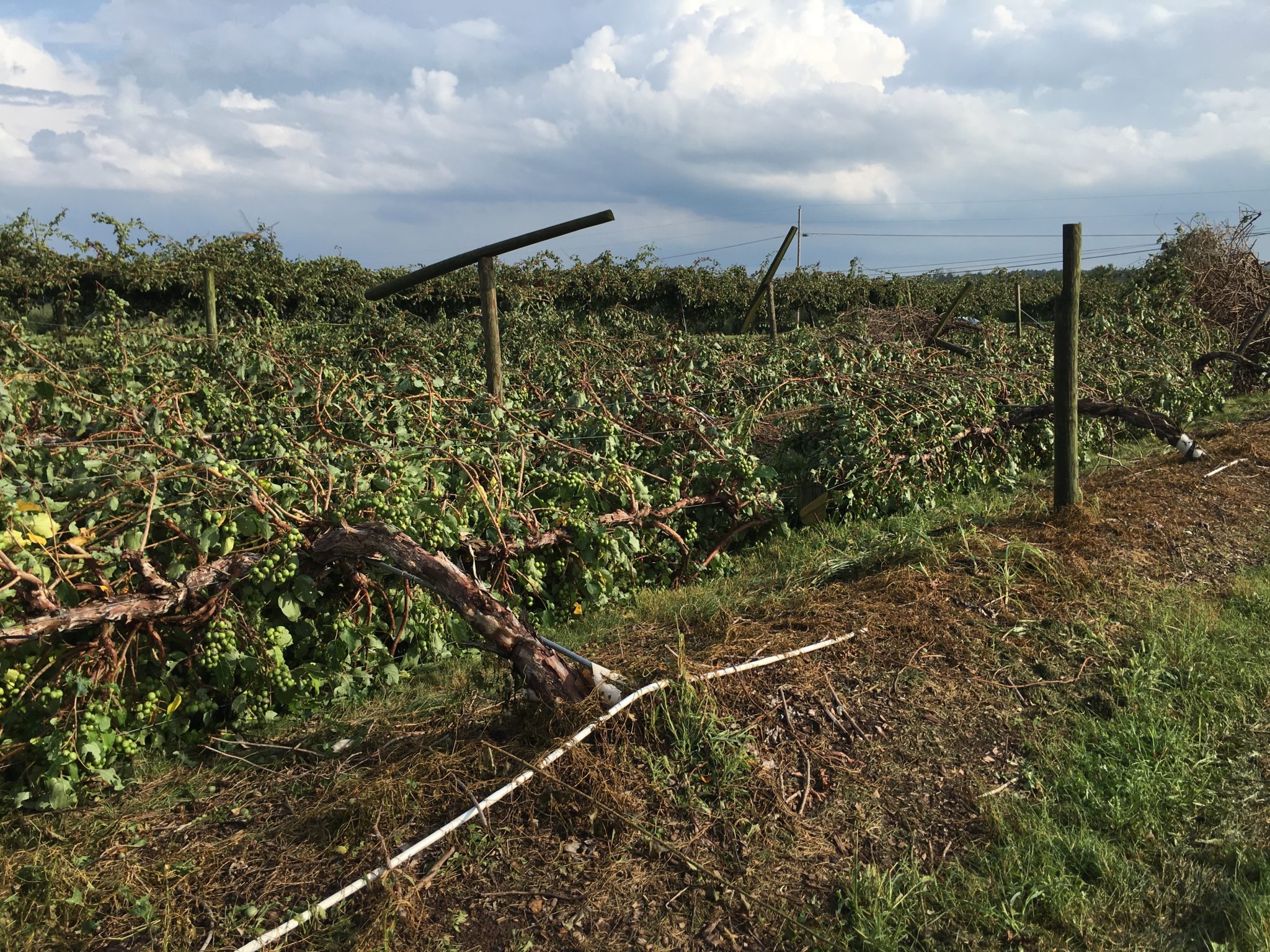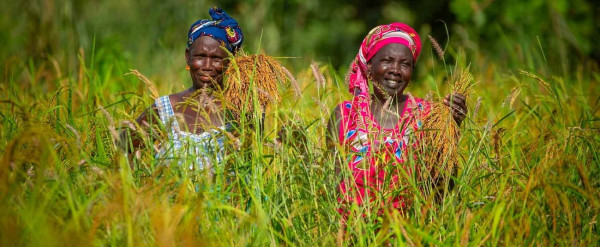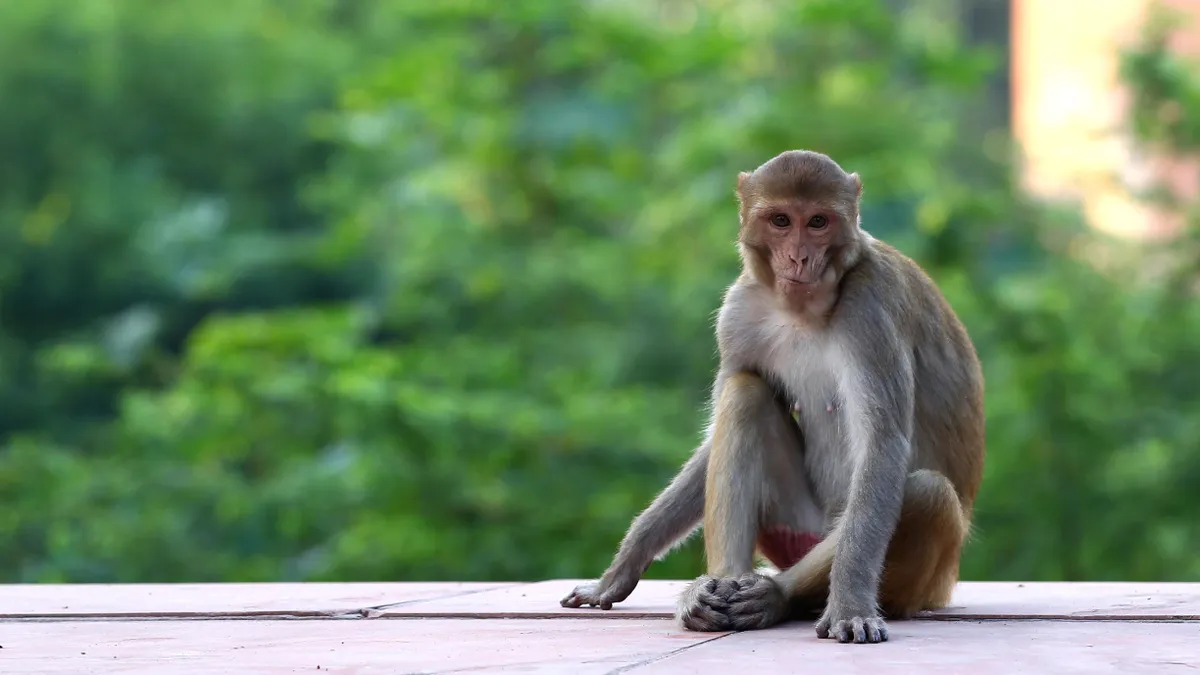
The National Council (NC) adopted the recommendation of compensation-related policies for human and wildlife conflict and crop damage due to natural calamities.
Out of the 25 NC members, 21 supported the review report for compensation. Only one MP voted “No” on the recommendations. The adopted review report will be sent to the government for appropriate action.
The Natural Resources and Environment Committee (NREC) submitted six recommendations. The committee recommended the need for relevant ministries and agencies to strengthen integration with UNDP to frame policies that are clear and sustainable, initiate the Prime Minister’s relief fund, strengthen inter-sectorial task force for collaborative funding initiatives along with a dedicated budget or endowment fund.
It also recommended a compensation Act for clarity on the compensation amount, strengthening the scientific approach of farming to build friendly coexistence and initiating relocation of isolated settlements under the regular HWC areas in collaboration with the National Land Commission.
During the discussion, the Committee shared that despite some regional compensation schemes like the Gewog Environment Conservation Committee (GECC) and the Gewog Tiger Conservation Tshogpa (GTCT), there was no nationwide compensation Act in place for crop and livestock damage.
“The government is well aware of the issues, but expreadmitted not being able to allocate separate funds for compensation,” the review report stated. This gap often impels farmers to bear the financial losses, leading to issues such as satong (fallowing of land) and goongtong (emptying of households).
The Committee recommended enacting new legislation or amending existing policies to provide comprehensive compensation to the affected farmers.
The Committee also highlighted that in the 13th Plan, the government is proposing a new National Crop and Livestock Insurance Scheme to combat human-wildlife conflicts, in collaboration with BioFin, UNDP, led by the Department of Forest and Park Services.
The Committee’s chairperson, Ugyen Tshering, said that the Committee discussed with relevant members and inculcated necessary recommendations.
“The compensation share recommended is a 80:20 ratio with the government bearing 80 and 20 percent from the public,” Ugyen Tshering said.
Annually, between 19 and 45 percent of the agricultural produce is damaged.
The previous compensation schemes failed largely due to the absence of timely data and clarity on continuity. Most of the compensation schemes were from international agencies and not from the government.
MP from Sarpang, Pema Tashi who voted “No” said that the report has not clearly justified its stand on HWC and natural calamities due to climate change.
Meanwhile, agriculture minister, Younten Phuntsho, recently acknowledged the need for a proper planning on compensation and revealed a plan to initiate a compensation trust fund. After the proposal is discussed, farmers would be compensated for loss of rice, maize, potato, oranges, cattle, poultry, and pig caused through HWC and natural calamities.
As for the annual premium calculations for compensation, the minister presented that if the government and public agree to bear a shared responsibility of 50 percent each, it would require Nu 83 million for crops and Nu 1.03 billion for livestock from the government.
It would be difficult for the government to commit 100 percent contribution towards the CTF, he said.
However, Lyonpo said that it would be difficult to implement the scheme immediately. “Until then, existing measures such as electric and chain-link fencing have to be strengthened. A considerable amount of money has been allocated in the 13th Plan for it,” he said.
Prime Minister Tshering Tobgay, at a recent meet-the-press session, said that budget constraints limited full compensation to farmers. “The government will cover 50 percent of the compensation with farmers bearing the remaining 50 percent,” Lyonchhen said.
Source - https://kuenselonline.com