Agriculture and livestock remain a cornerstone of Bhutan’s economy, providing livelihoods for more than half of its population. However, the sector's vulnerability to wildlife, climate change, natural calamities, pests, and diseases is a growing concern.
For example, relentless rainfall in October 2021 devastated over 2,500 acres of crops, resulting in a loss of approximately 2,400 metric tons of produce across 17 dzongkhags, snowstorms and wildlife predation killed 711 yaks, causing an economic loss of Nu 35.5 million. Last year, animal diseases took the lives of 2,100 livestock.
In response to this, Bhutan's Ministry of Agriculture and Livestock (MoAL) is proposing reintroduction of the National Crop and Livestock Insurance Scheme. The MoAL proposed the scheme first in 2016 and revised in 2021, but it faced resistance due to financial concerns. However, rising agricultural vulnerabilities have highlighted the need for robust support systems.
Given these challenges, the MoAL in collaboration with the Ministry of Energy and Natural Resources, Nature Conservation Division, Department of Forest and Park Services, Department of Local Governance and Disaster Management, Insurance companies and UNDP BIOFIN, will put forward a renewed proposal with measures to close the premium financing gap.
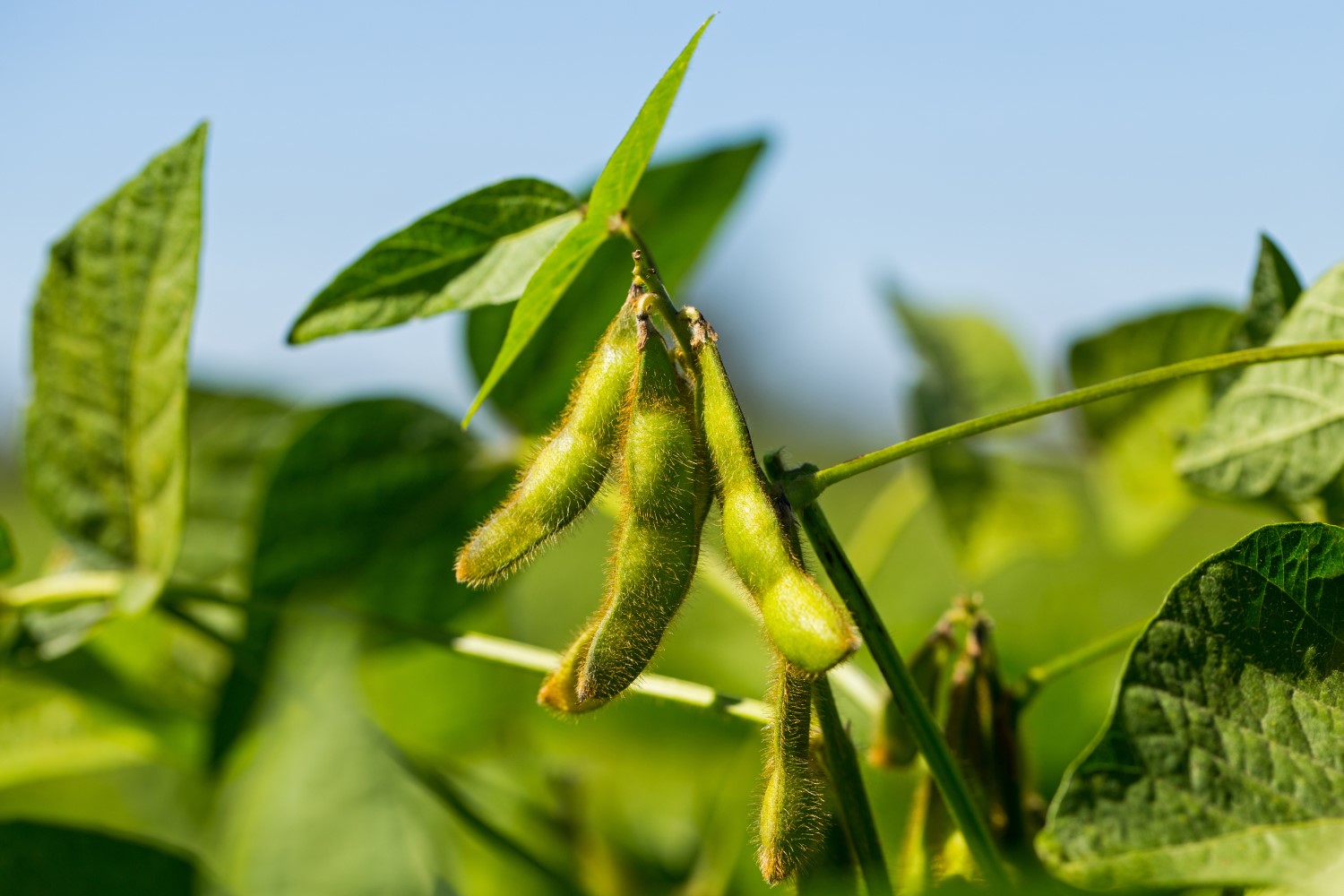
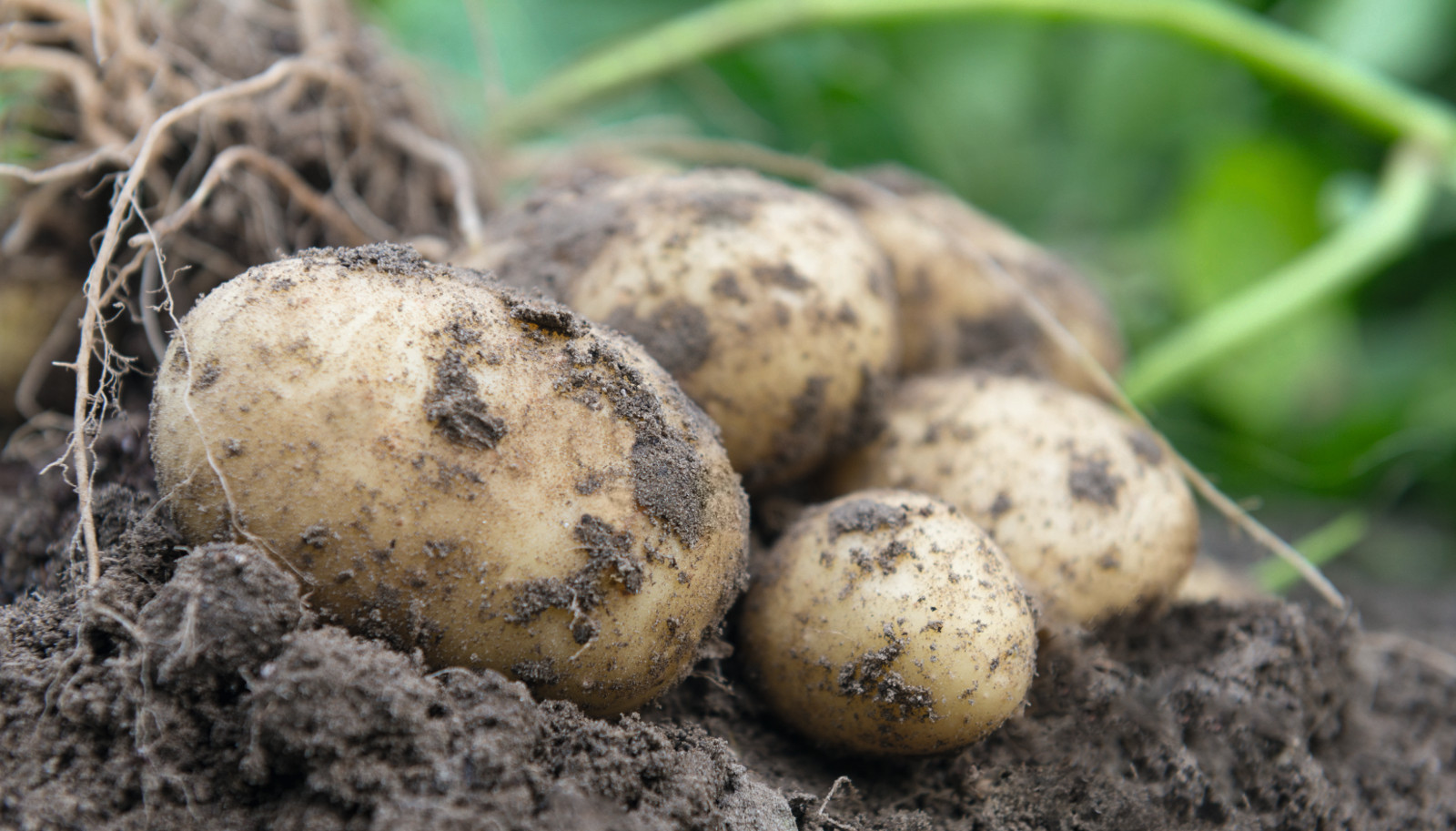
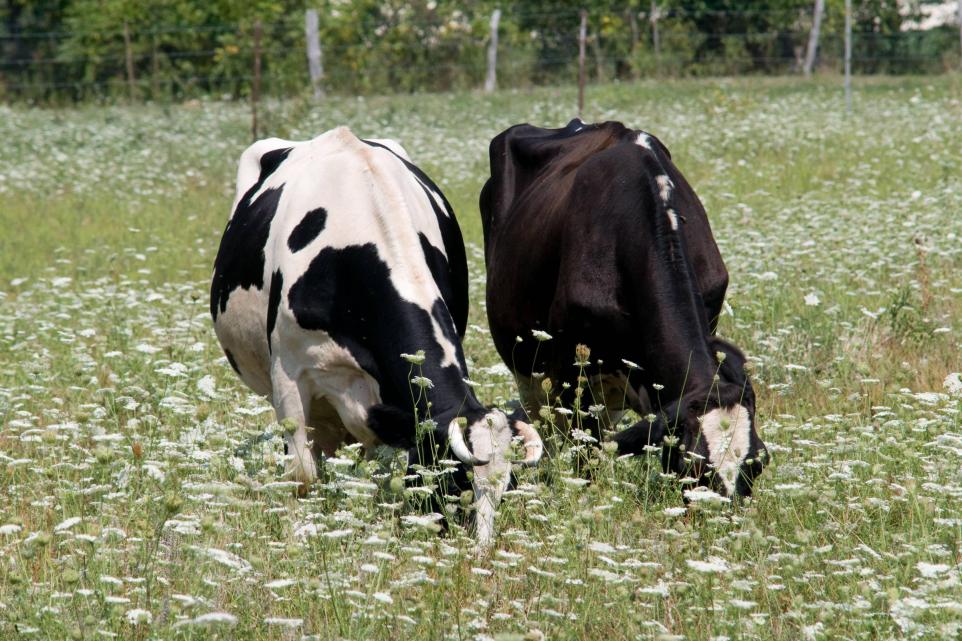
This revised scheme offers a clear, focused approach with reduced premium rates and targets seven key crops and livestock: Paddy, maize, potato, orange, cattle, poultry, and piggery. This initiative is expected to change the behavior of the communities towards retaliatory killings of wild animals.
“The introduction of a government-backed compensation scheme is crucial for boosting farmer confidence by providing financial security and aligning with the push for higher agricultural productivity. However, with increasing risk of damages from wildlife and climate change, it potentially necessitates renegotiated terms and greater government subsidies. This underscores the need for innovative financing solutions, such as the ones from the UNDP BIOFIN Project, to bridge funding gaps for climate and wildlife-conflict adaptation efforts,” Sangay Khandu, National Consultant, BIOFIN UNDP.
“We look forward to sharing our findings and suggestions by passing it as a resolution by the National Council, which will then be sent as a recommendation to the government for consideration. This indicates a significant step towards formalizing a comprehensive policy to address agricultural losses by wildlife and climate change," said Ugyen Tshering, Member of the National Council.
By providing insurance coverage for crop and livestock losses due to various risks, such as natural disasters, pests, and diseases, the scheme reduces the financial burden on farmers, enabling them to recover more quickly from setbacks.
“The proposed insurance scheme introduces a shift from traditional compensation funds by requiring farmers to pay premiums, fostering a sense of responsibility and ownership. Effective compensation aids wildlife conservation, while economic stability from insurance programs enables farmers to engage in productive activities, improving livelihoods and mental well-being. This supportive attitude towards conservation programs enhances overall socio-economic development and promote wildlife conservation by avoiding retaliatory killings in the country," said Sangay Wangdi, Nature Conservation Division.
Farmers are likely to invest in improved agricultural practices, advanced technologies, and diversification of crops and livestock. This investment can lead to increased productivity and innovation in the sector. By stabilizing income and encouraging greater investment, the insurance scheme supports Bhutan’s broader objectives of achieving food security and reducing reliance on food imports.
The National Crop and Livestock Insurance Scheme is not just a protective measure for farmers but a transformative initiative that can drive significant positive changes in Bhutan's agricultural and environmental landscapes. By integrating wildlife conservation into this scheme, Bhutan can reinforce its commitment to preserving its rich biodiversity while advancing towards food security and self-sufficiency. This holistic approach will support sustainable development and ensure the well-being of both the nation’s agricultural sector and its natural heritage.
Source - https://www.undp.org