Biodiversity losses in countries with smaller, less-developed economies, impact large, developed economies, according to a new study. Researchers from Trinity College Dublin and University of Reading have shown that pollinator decline and potential loss of pollination services can have widespread implications for global trade in food.
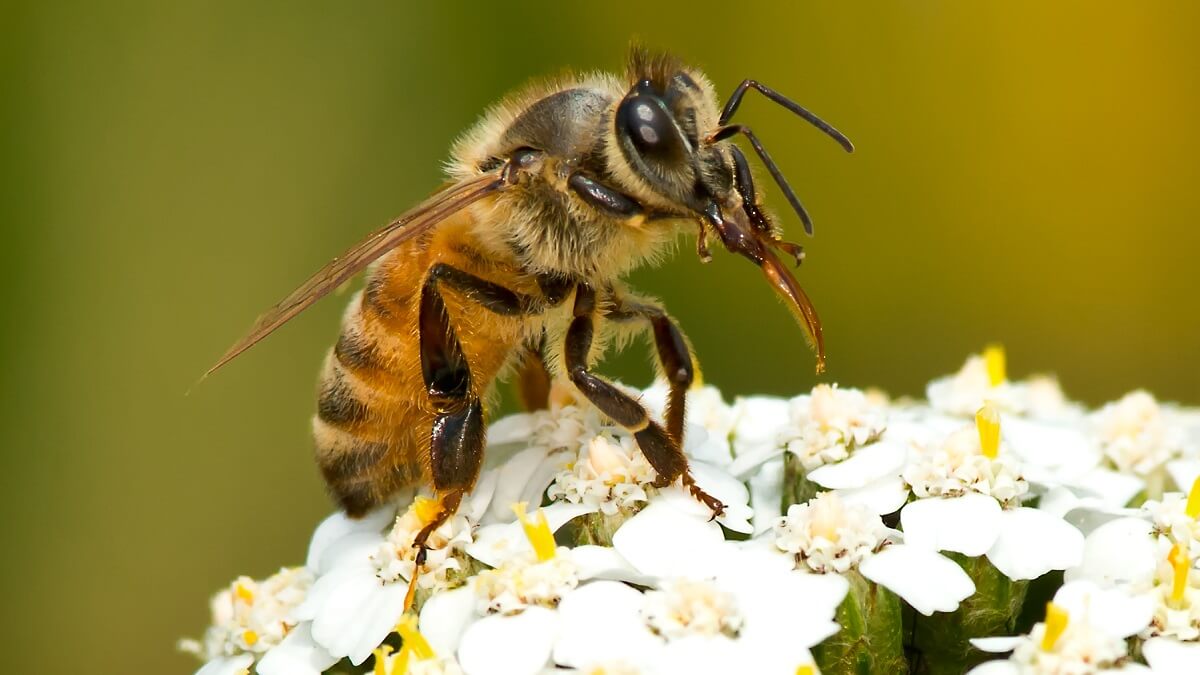
Bees and other pollinating animals are vitally important for the production of many leading food crops and commodities. From apples to strawberries, to chocolate and coffee – animal pollination is important to meet our demands.
However, changes in land use and climate, and the use of some chemical insecticides, threaten pollinators worldwide. Because we often import crops that we cannot grow ourselves, pollinator losses in our trading partners could have a significant impact on prices at home.
A new study by Trinity College Dublin and the University of Reading, funded by the Irish Environmental Protection Agency, has examined the effects of pollinator losses in small groups of countries on world food markets. The team developed a simple economic model to examine what the effects of world crop prices would be if pollinators were lost in different countries. They applied this model by looking at pollinator losses in three groups of 25 countries: 1) Economically vulnerable countries with high debts and low incomes, 2) countries that were very vulnerable to natural disasters and 3) countries with very high use of pesticides.
Dr Tom Breeze, an agri-environmental researcher at the University of Reading and co-author of the study, said: “What we see in these three case studies is a fairly consistent pattern: the countries which suffer the biggest economic losses because of rising prices are large, well-developed economies that import a lot of pollinated crops like Germany, Japan, China, India and the UK.
“This applies even if it’s not those countries that are suffering pollinator losses themselves – in other words, pollinator losses in poorer countries will have bigger impacts on us as consumers in wealthier countries.
“Our work shows just how important bees and other pollinators are to global food markets. I hope this work gets people thinking about the real importance of pollinators in everything from their Easter eggs to their morning cup of coffee.”
Professor Jane Stout, from Trinity’s School of Natural Sciences, said: “Perhaps one of the most important messages coming from our work is that we simply cannot afford to just look after our own pollinators.
“We have to start thinking global and supporting pollinator conservation efforts in our trading partners, especially those in developing countries that may not have the resources to tackle pollinator conservation that we do. If we don’t, then we’re risking a lot of people’s livelihoods abroad and even higher inflation back home.”
Source - https://www.reading.ac.uk