Bluetongue virus breaks out in UK with warning to farmers on livestock and dogs

18.02.2025 388 views

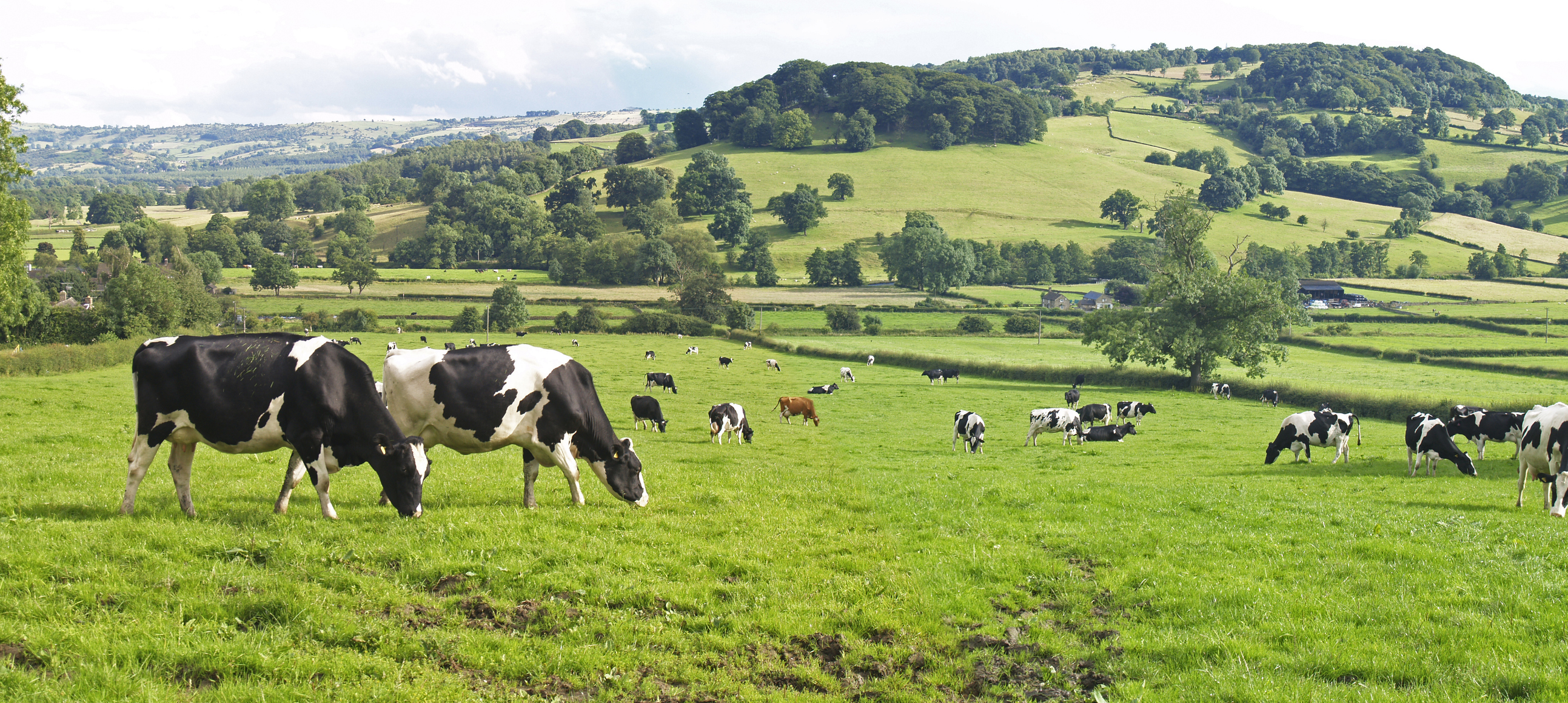
Farmers in parts of the UK have been put on alert as an outbreak of bluetongue has been detected, according to the government.

The virus is not an immediate threat to humans as it primarily affects cattle and sheep, but can be passed to dogs if they eat infected material. Outbreaks can lead to prolonged restrictions on animal movement and trade. Livestock owners must be vigilant for signs of bluetongue in their animals and report any suspicions.

The Department for Environment, Food and Rural Affairs (DEFRA) and the Animal Health and Plant Agency have extended a bluetongue restriction zone following a case discovered in Dorset. The zone now encompasses Dorset, as well as regions of Wiltshire, sections of Somerset and parts of East Devon.

The government has stated that we are currently in a 'seasonally vector low period', indicating a very low risk of bluetongue transmission. DEFRA revealed it found instances of the virus in cattle in Dorset, leading to the extension of the restricted zone into South Somerset on February 14.

Farmers and landowners must still obtain a licence to move animals or germinal product out of a restricted zone, arrange for a pre-movement test for all animals moving out of the restricted zone unless they are moving direct to slaughter or via a dedicated slaughter market.

Bluetongue is a serious disease caused by the bluetongue virus, which is primarily spread by biting midges. The virus affects sheep, cattle, other ruminants such as deer and goats, and camelids like llamas and alpacas. On rare occasions, dogs and other carnivores can contract bluetongue if they consume infected material, such as afterbirth. However, it does not affect humans or food safety.

The severity of the infection depends on the type of the virus and may also be affected by the strain. Sheep are more likely than cattle to show clear clinical signs of bluetongue if they become infected with the virus. These signs include ulcers or sores in the mouth and nose, discharge from the eyes or nose, drooling, swelling of the lips, tongue, head, neck and coronary band, red skin due to blood collecting beneath the surface, fever, lameness, breathing problems, abortion, foetal deformities, stillbirths, and death.


Source - https://www.mirror.co.uk

08.04.2026

South Korean hail damages 802 hectares of crops in South Jeolla

In South Jeolla Province, a hailstorm caused damage to more than 800 hectares of crops, with the impact concentrated in Naju, the country's main pear production area. This has raised concerns about the 2026 harvest.

08.04.2026

Corn leafhopper caused US$25.8 billion loss over four years in Brazil

The corn leafhopper (Dalbulus maidis), which is considered the crop’s main pest, has caused billions in losses to Brazilian production. A new study has quantified the economic impact of corn stunt diseases on Brazilian production. 

08.04.2026

Canada - Saskatchewan secures emergency strychnine approval for gopher-hit crop districts

Approval adds a new risk-management tool for crop and livestock operations.

08.04.2026

Bangladesh - Crop Insurance Initiative to Shield Farmers from Climate Risks

The agriculture minister has recently announced the government’s plan to introduce crop insurance to protect farmers from losses caused by floods, cyclones, and other natural disasters. 

08.04.2026

Bangladesh - Crop Insurance Initiative to Shield Farmers from Climate Risks

The agriculture minister has recently announced the government’s plan to introduce crop insurance to protect farmers from losses caused by floods, cyclones, and other natural disasters. 

08.04.2026

Bangladesh - Crop Insurance Initiative to Shield Farmers from Climate Risks

The agriculture minister has recently announced the government’s plan to introduce crop insurance to protect farmers from losses caused by floods, cyclones, and other natural disasters. 

08.04.2026

Bangladesh - Crop Insurance Initiative to Shield Farmers from Climate Risks

The agriculture minister has recently announced the government’s plan to introduce crop insurance to protect farmers from losses caused by floods, cyclones, and other natural disasters. 

06.04.2026

Pakistan - Governor SBP Calls for Scaling Up Zarkheze to Expand Agricultural Credit Outreach

The State Bank of Pakistan on Wednesday urged banks to expand the use of its digital agricultural lending platform, Zarkheze, to improve access to credit for small farmers and underserved areas across the country.