In Bolivia’s highlands, where life's rhythm largely follows the agricultural calendar, a crop emergency is unfolding and pushing families to the brink of hunger, Save the Children said.
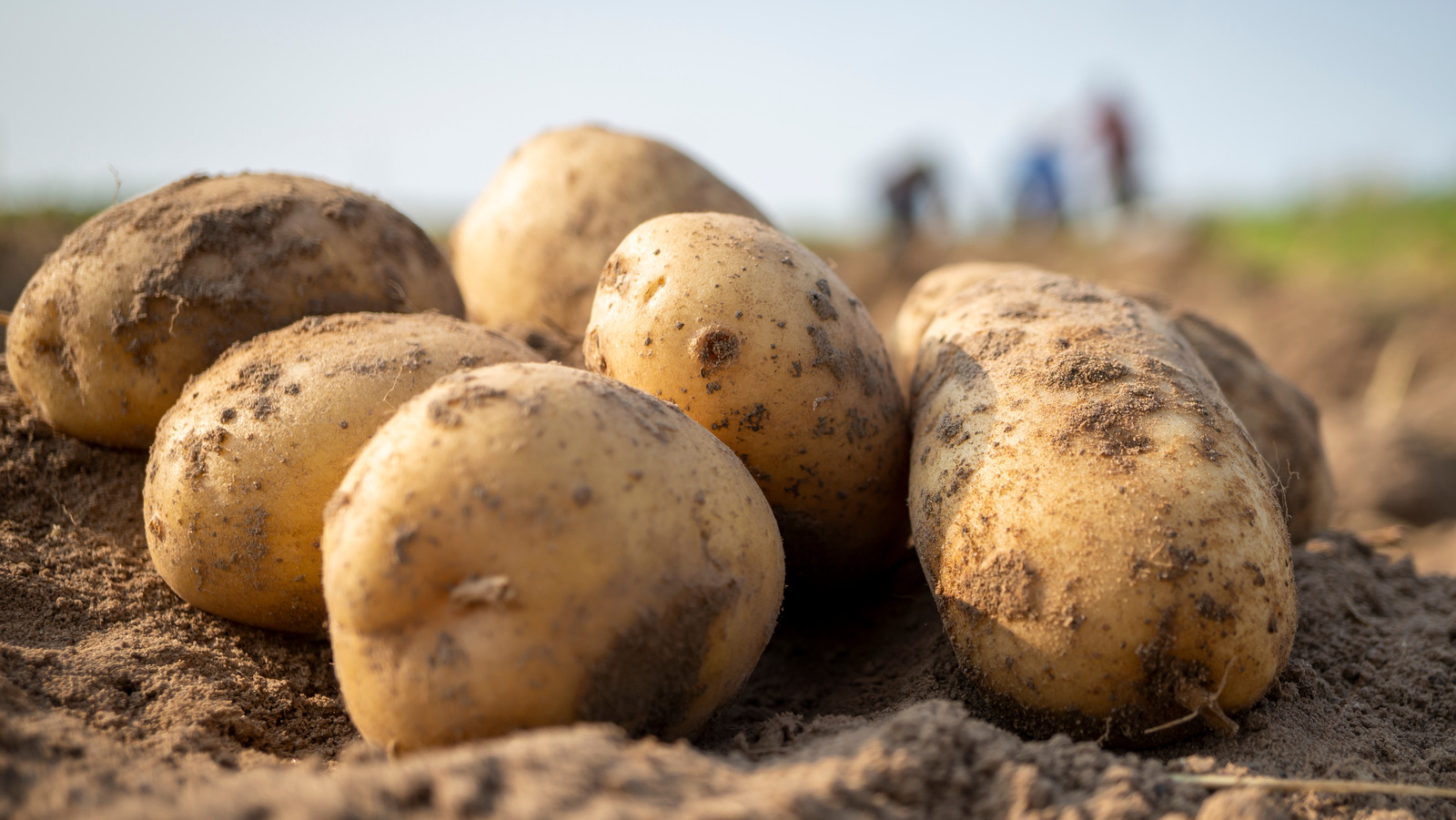
One staple is a particular victim - the potato – which is now under threat in the region due to recent erratic weather patterns and changing climate conditions.
For generations, potatoes have been an agricultural lifeline in the high-altitude region of Potosí, Bolivia, where few other plants survive 3,700m above sea level. The hardy crop, first farmed in the South American Andes some 8,000 years ago, is versatile and well suited for the region's rugged terrain.
Over the past few months, Bolivia, like much of South America, has been sweltering under a “heat dome”, causing temperatures in the country to soar to a staggering 45°C - unprecedented during the winter. In August, Bolivia recorded the highest winter temperature in the Southern Hemisphere; last week, Save the Children reported that more than half the country was in drought.
Severe drought in Potosí, of the six of Bolivia’s departments experiencing drought, has reduced water flow by two-thirds, dropping from 180 litres per second to a mere 60 litres per second. Many families in the highlands currently do not have access to water daily, while some get it only once a week. The lack of rain and access to water have meant that farmers are unable to water their crops.
Silvia, a mother of five living in the region of Potosí, lost most of her potato harvest this year due to dry, hot weather, coupled with an untimely frost. What she did manage to harvest only sustained her family for a few weeks, leaving them without potatoes until her next harvest. Silvia said:
“[It’s been] very hot and when it is hot, potatoes don't grow because the soil is burning, and the potatoes get cooked. We live off the crops we plant but when crops don't grow, we don't have food to eat. We have to buy [food], but we [don’t have enough] money because there's not much work here. This is a remote place. [Before], I could provide everything for my children: clothes, school supplies, food, and electricity. But now, almost everything I do is not enough.”
This year’s poor harvest is contributing to a significant rise in vegetables prices, with Silvia spending about 50% of her income on food as she is unable to grow enough herself.
Silvia’s family has been living off the land for generations. Her mother Eugenia, 73, added that this year’s circumstances are unprecedented, explaining “there is no rain anymore; this is one of the worst harvests I have had in my life.”
As temperatures continue to soar in South America, the return of El Niño this year looms large, potentially bringing more intense weather extremes and a rise in temperatures, exacerbating the already accelerating impacts of the climate crisis.
“The weather is changing here. Last year I harvested a lot,” said Nimia, 30, who grows potatoes with her family to make chuño, a dehydrated potato product typical of Quechua communities. “But we haven't harvested much. The crop became wormy, and it hasn't rained since last year, so the harvest is no good.”
Much like Silvia, Nimia’s potato harvest suffered a significant setback this year after the frost and drought lead to smaller-than-usual potatoes. To help her potatoes grow, Nimia used fertilizer which contributed to the crop getting a worm infestation. Since her family cannot waste food this year, Nimia and her children used the small potatoes—worms and all—to make chuño.
More than half the population in Bolivia are currently food insecure, mainly those in rural areas. Food insecurity in the country will continue to worsen as weather extremes events become more severe and frequent, decimating vital farming and livestock.
Marianela Montes de Oca, Save the Children’s Country Director in Bolivia, said:
“Potatoes are a lifeline for families in Bolivia. For generations, the crop has provided comfort, substance and a livelihood for families. If crop failure continues to worsen, hunger in Bolivia will soar. This serves as a stark reminder that the battle against hunger is closely tied to the health of our planet and the resilience of our food systems.”
Save the Children is helping women like Silvia and Nimia in Bolivia become entrepreneurs, so they can earn enough money to care for their children. Both Silvia and Nimia run successful small businesses, so they are less reliant on their harvest to earn money. Silvia knits and makes empanadas, while Nimia set up a cake business.
Save the Children is calling on world leaders, particularly from high-income countries and historical emitters, to take action on the climate crisis that includes increasing adaptation finance and providing funding for losses and damages through the provision of new and additional climate finance. Leaders must also place children and child-critical social services at the centre of their efforts. Governments must also recognise children as key agents of change in addressing the climate crisis and work to urgently limit warming temperatures to 1.5C above pre-industrial levels.
Source - https://www.savethechildren.net/