Born Farms Redefines Agriculture with Tunnel Innovation: A Regenerative Breakthrough for a Predictable Food System

14.07.2025 302 views

Born Farms was built on a simple belief: take care of where everything is born. Guided by this principle, we’re not just adapting to agriculture’s challenges—we’re solving them. From climate instability to soil degradation, Born is creating real, regenerative solutions that reshape how food is grown.

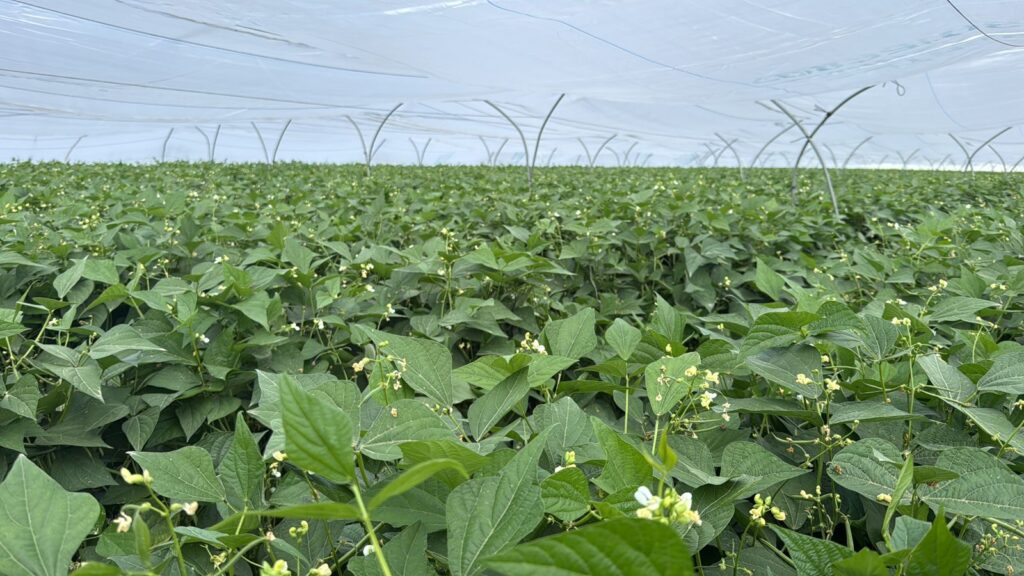
Our latest innovation is a tunnel-growing system that turns unpredictability into precision. Designed to revolutionize the bean category, it protects crops, enhances soil health, and ensures consistent supply—rain or shine.

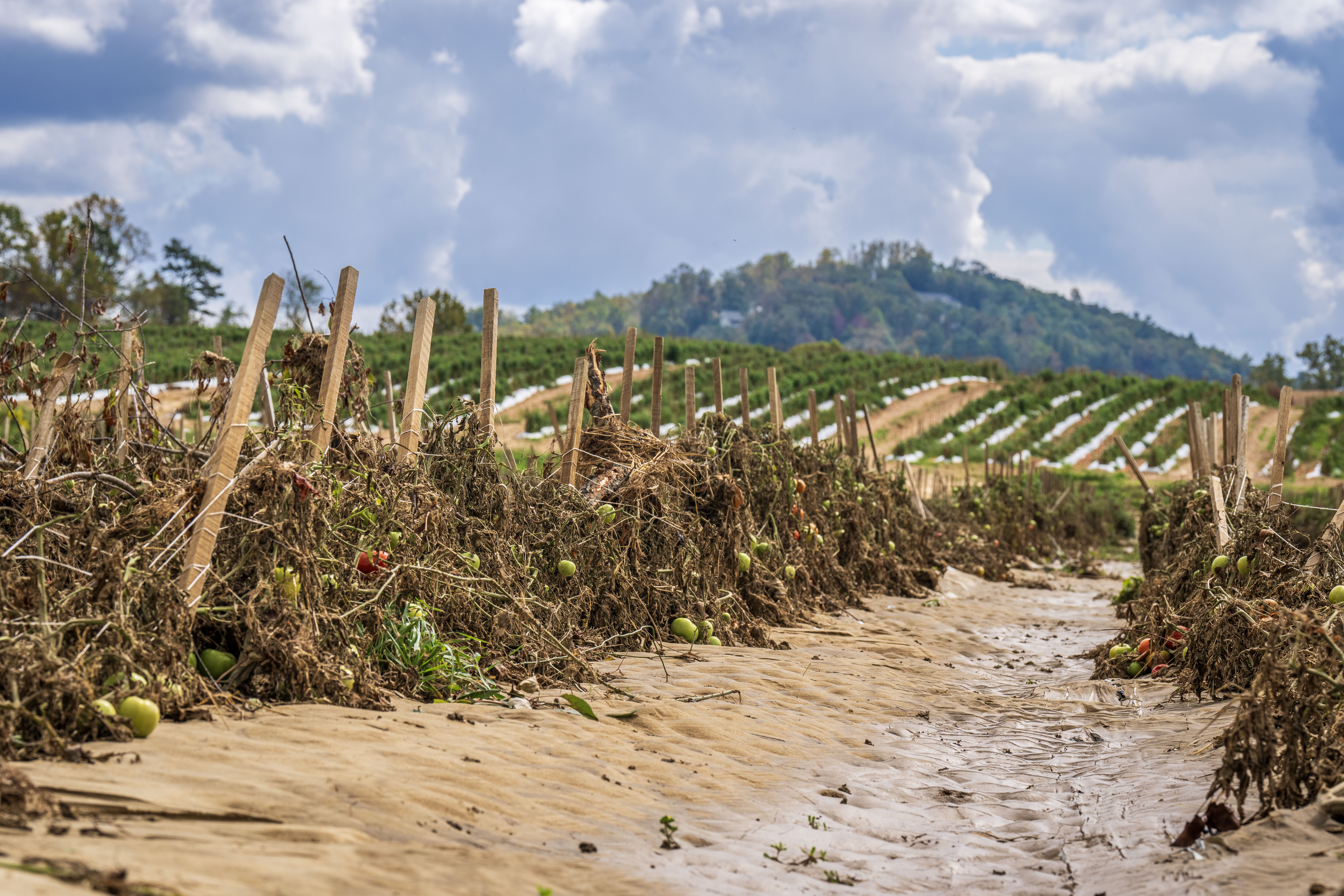
The Challenge: Climate Instability

Traditional farming is at the mercy of the weather. In response, we piloted a protected method for French and Green beans using macrotunnels—structures that create controlled microclimates, shield crops from pests and extremes, and drastically reduce water usage and chemical inputs.

The Impact: Reliable, Regenerative Production

These tunnels extend growing seasons, boost resilience, and produce vibrant, premium-quality beans—all while Restoring the land. It's not just about higher yields—it’s about cultivating food with purpose.

Why It Matters

For chefs, retailers, and distributors, this means access to consistent, sustainable produce. For the planet, it’s a step toward healing ecosystems. And for Born, it’s proof that a transparent, regenerative food system is possible.

“Our vision is to redefine the future of food by building a regenerative, predictable, and transparent agricultural system that nourishes both people and planet.”
— Christopher Safieh, Founder of Born

More Than a Method — A Movement

This isn’t just a technique. It’s a shift in mindset. It proves that sustainability and innovation can work hand in hand. Born is committed to a system that feeds people without compromising the earth that feeds us.


Source - https://www.freshfruitportal.com

23.08.2026

USA - Pennsylvania Opens $10M Aid Program for Freeze-Hit Growers

Pennsylvania will open a $10 million disaster-relief program Aug. 24 for fruit growers facing an estimated $150 million to $200 million in losses from a spring freeze, Gov. Josh Shapiro reported Thursday during a visit to an Adams County orchard.

23.08.2026

A year of change in Polish agriculture

Minister Krajewski highlights support for farmers and stronger agricultural resilience.

23.08.2026

Nepal - Hunting permits issued to protect crops from wildlife in Arghakhanchi

Amid growing damage to crops and increasing human-wildlife conflict, a system allowing the legal hunting of certain wild animals has been introduced in Arghakhanchi.

23.08.2026

Spain - Barrachina highlights 35.3 million in agricultural insurance for 21,000 professionals in the field

The Generalitat allocates 35.3 million to agricultural insurance in the Valencian Community to support 21,000 farmers and ranchers against increasing risks.

23.08.2026

India - Sodiem locals seek FIR against WRD over paddy crop damage

The Siolim-Sodiem gram sabha on Sunday resolved to initiate criminal action against the Water Resources Department (WRD) over damage to ready-to-harvest paddy crops allegedly caused by leakage and seepage from the Tillari canal.

23.08.2026

India - Bhilwara farmers face crop loss as yellow mosaic virus hits pulses

Farmers in Bhilwara district are in distress due to an outbreak of yellow mosaic, commonly known as yellow disease, affecting their pulse crops. 

20.08.2026

Philippines - Farm damage from ‘habagat’ and serial storms hits ₱1.7B

The agricultural damage caused by the recent typhoons has soared to more than P1.7 billion, affecting over 50,000 farmers and fisherfolk, according to the Department of Agriculture (DA).

20.08.2026

India - Tech Guard For Farms: MIT Muzaffarpur Students Develop AI Device To Protect Crops From Nilgai

For years, farmers in Bihar have relied on scarecrows, fencing and constant vigilance to protect their crops from nilgai, wild animals and birds. But these measures often lose their effectiveness as animals gradually learn to ignore them.