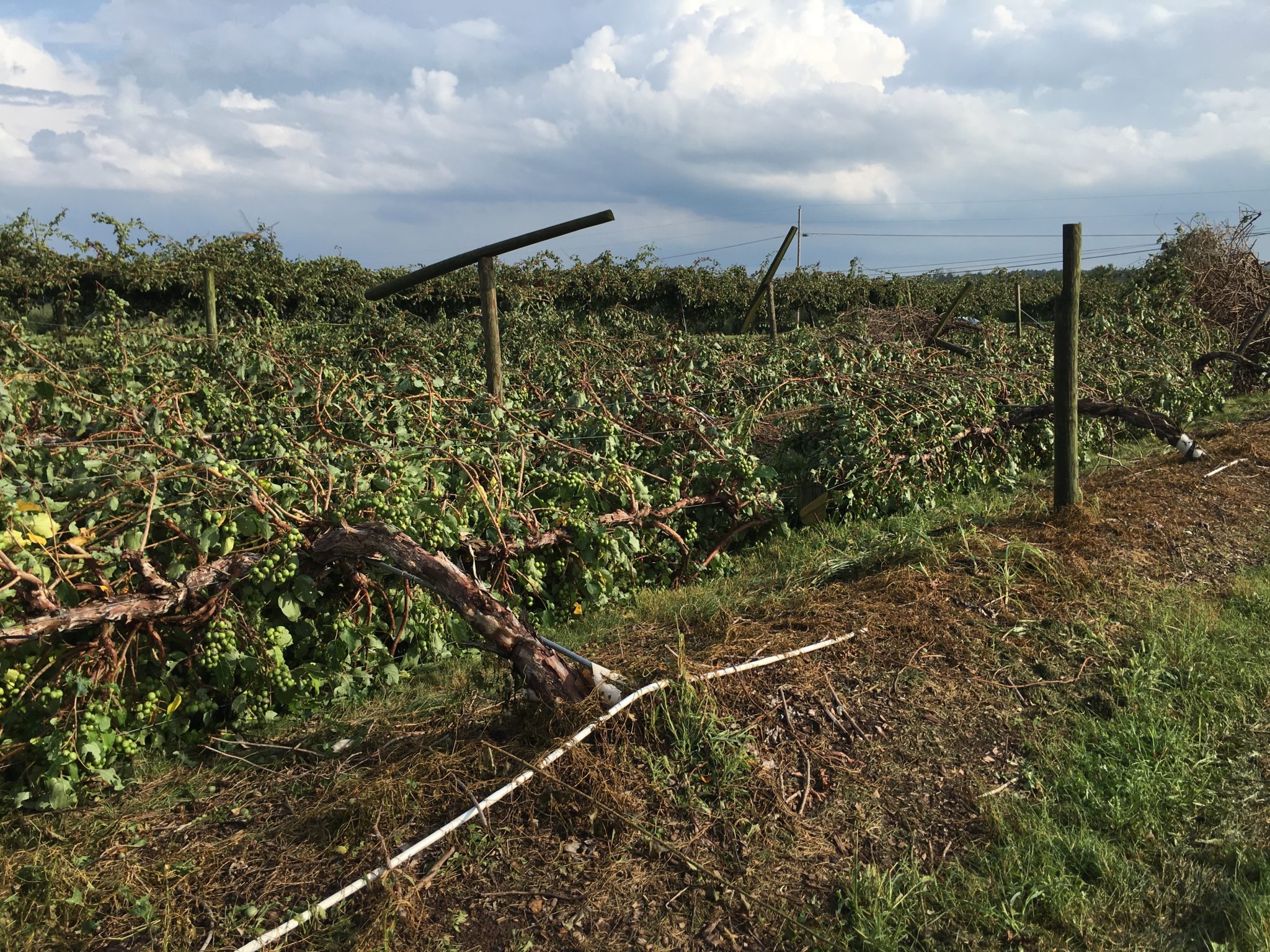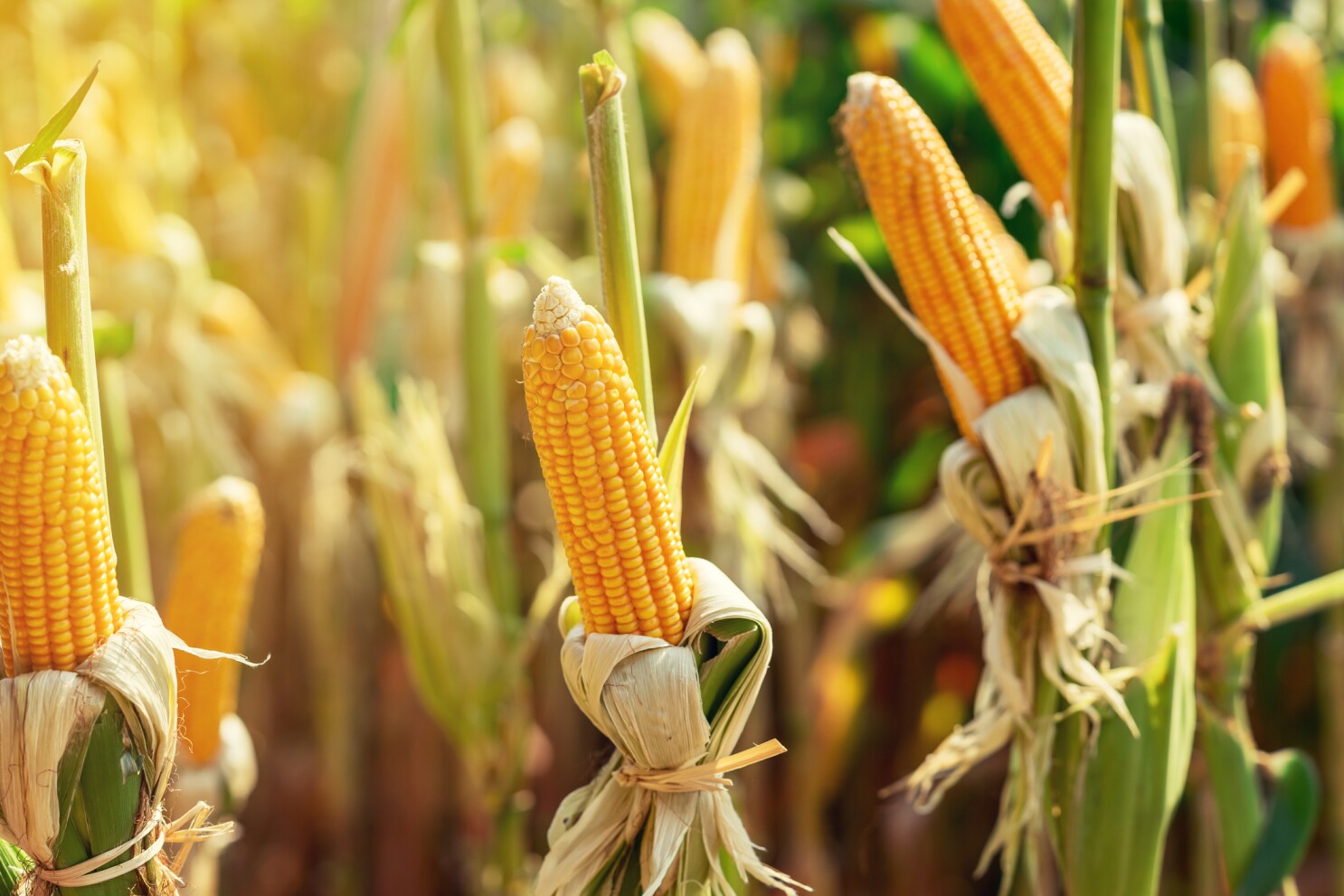
Brazil is having one of the most adverse corn and soybean seasons, according to a report released on April 2 by the Brazilian Association of Corn Growers and the Brazilian Association of Soybean Growers (Aprosoja).
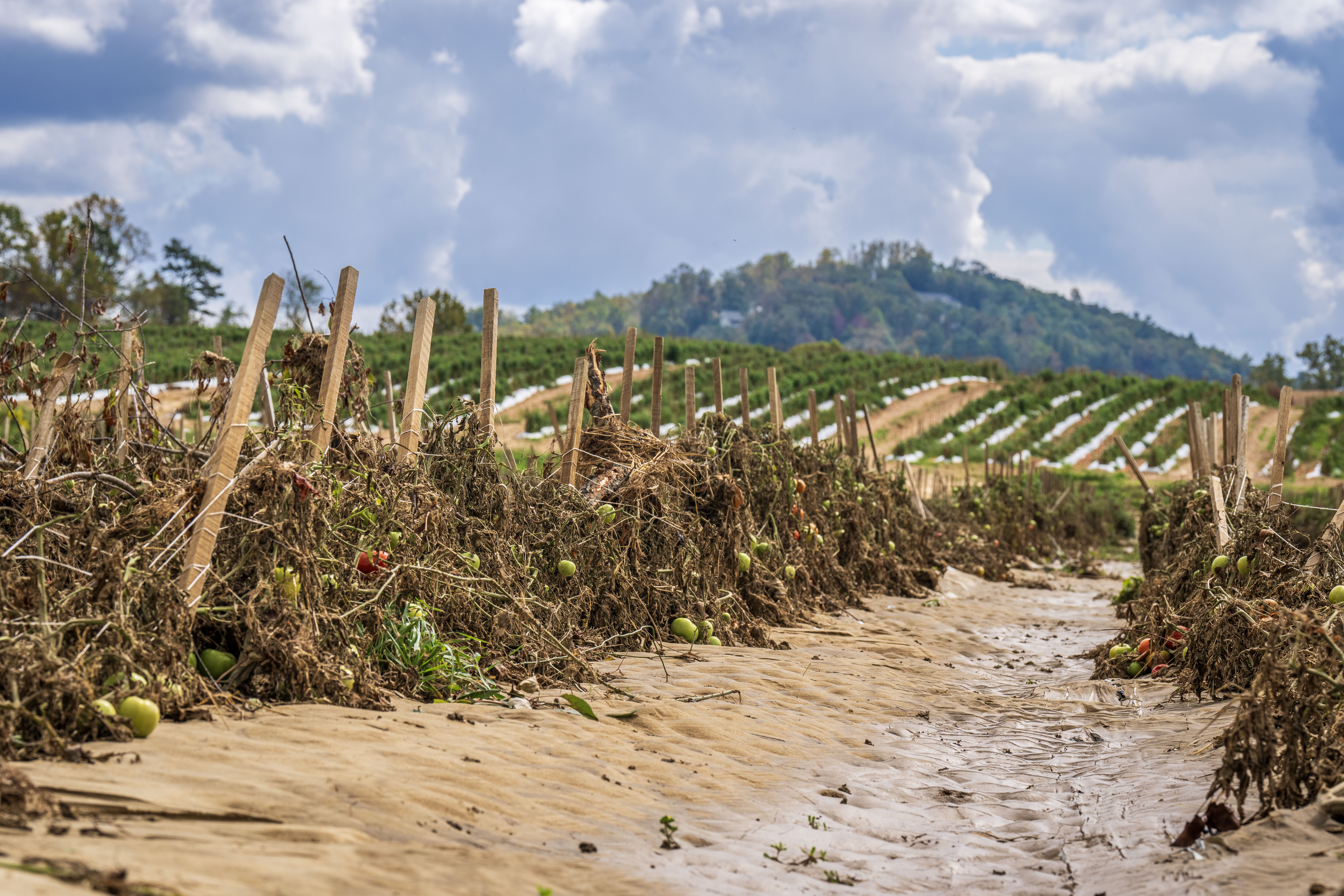
There is significant disparity in yield, with good soybean harvests on average. But some producers report big losses, according to Glauber Silveira, president of the Association of Corn Growers.
Antonio Galvan, president of Aprosoja, explained in a press conference that there is only one state — Rio Grande do Sul — that will have a larger soybean crop than last year’s, while the state of Bahia’s output will be about 10% lower than last year’s.
Soybean harvest is 74% complete, according to Patria Agronegocios’ March 29 report. The areas with more progress in the last couple of weeks were the southern state of Rio Grande do Sul and the west-central state of Mato Grosso do Sul.
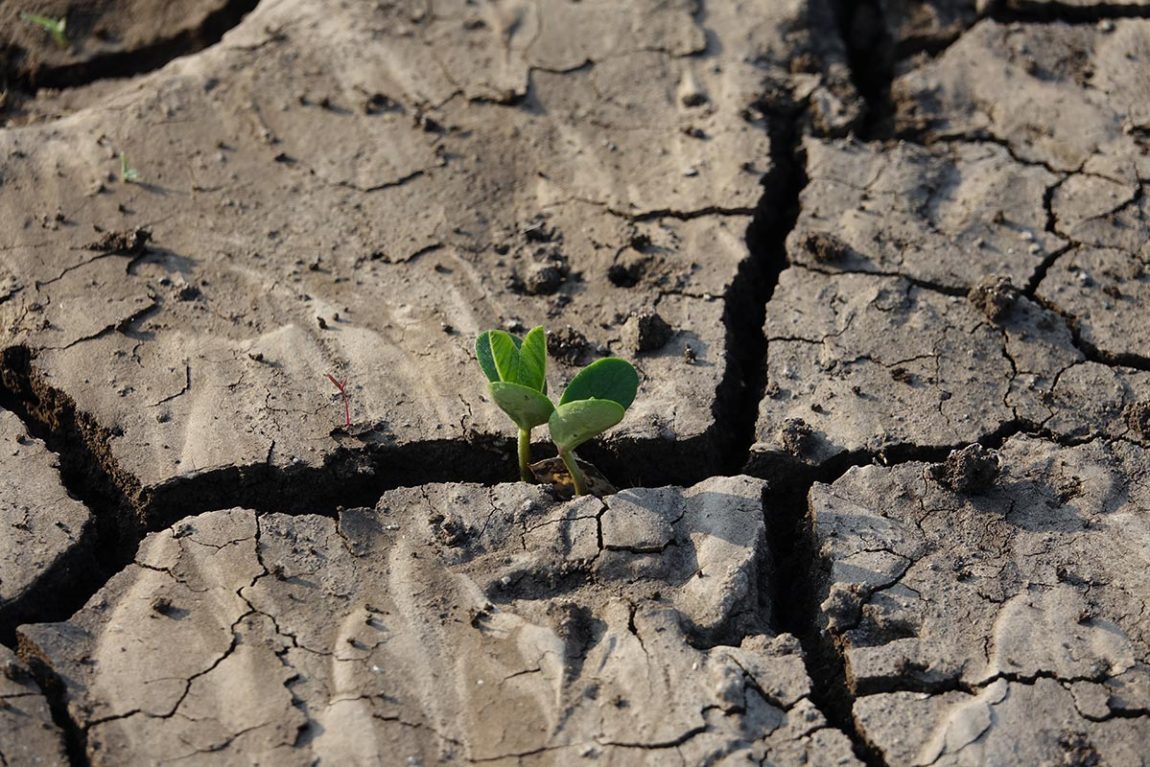
There was initial concern among farmers about the possibility of planting corn out of the ideal window. That has not happened in most cases, with planting of the second crop at 99% complete, according to the National Supply Company (Conab). However, key areas for the second corn crop, including Parana, Mato Grosso, Goias, and Mato Grosso do Sul, had temperatures over 98ºF with no rain, resulting in low soil moisture and poor crop conditions.
A farm association from Mato Grosso do Sul estimates that at least 10% of the second corn crop has poor growing conditions. This coming week, rainfall is only predicted by Brazilian weather forecaster Climatempo in the southern states of Parana and Rio Grande do Sul with insignificant impact to safrinha — second corn crop — areas.
Rain continues to delay Argentina’s corn and soybean harvest, with 15.7 inches of rainfall in March. The Argentinian trade negotiation forum Rosario Board of Trade reported a 30% delay in corn harvest, with only 7% done, and only 3% of soybeans harvested, with average yields. The estimated soybean production in Argentina is 50 million metric tons; corn is estimated at 56 million metric tons.
Source - https://www.agriculture.com