Global warming, drought and plant disease pose a growing threat to agriculture in Italy’s arid south, but a startup founded by a former telecoms manager believes it has found a solution: Opuntia Ficus, better known as the cactus pear.
Andrea Ortenzi saw the plant’s potential 20 years ago when working for Telecom Italia in Brazil, where it is widely used as animal feed. On returning to Italy he began looking at ways to turn his intuition into a business opportunity.
He and four friends founded their company, called Wakonda, in 2021, and began buying land to plant the crop in the southern Puglia region where the traditionally dominant olive trees had been ravaged by an insect-borne disease called Xylella.
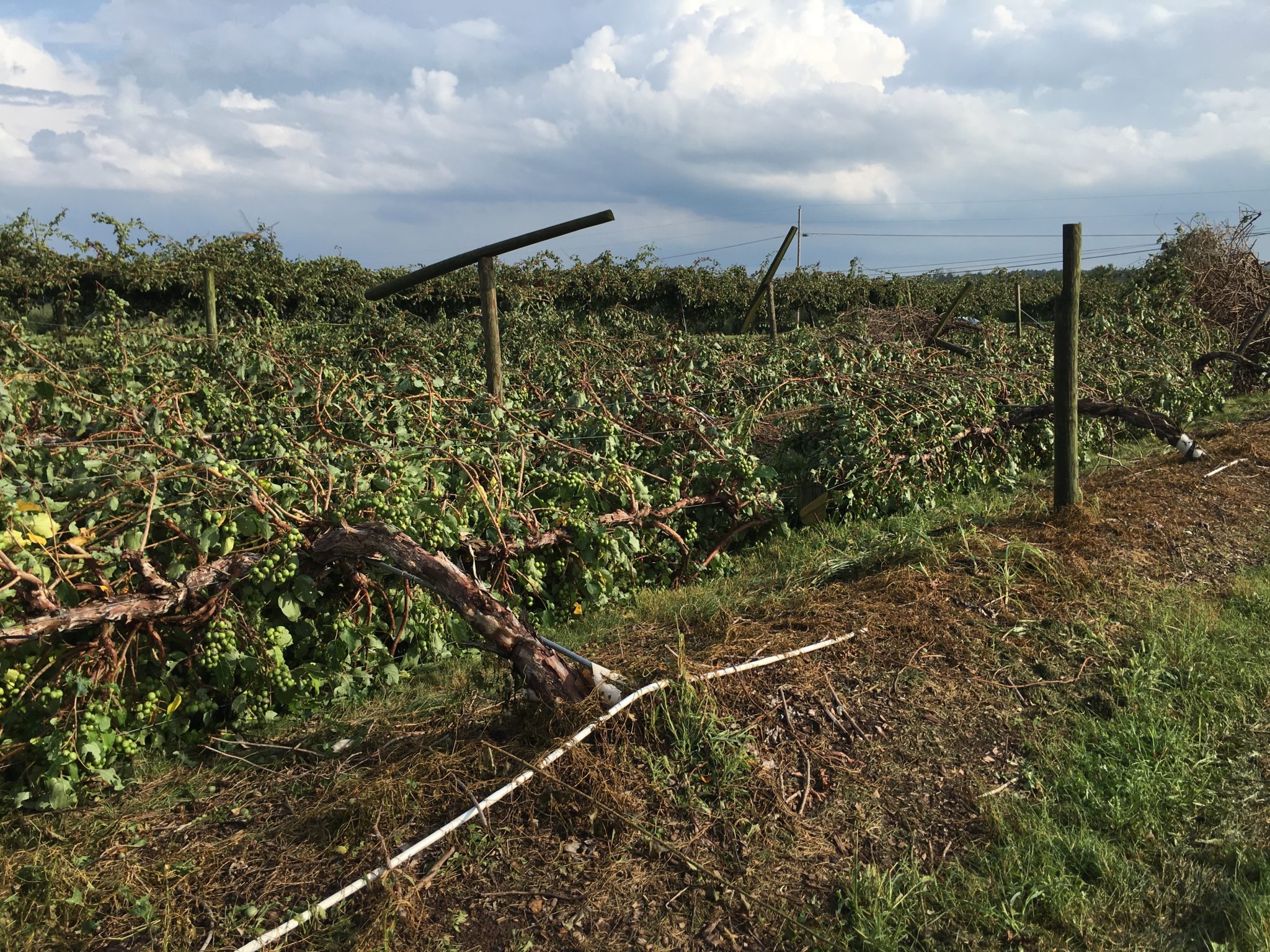
The damage from the plant disease has been compounded by recurring droughts and extreme weather in the last few years all over Italy’s southern mainland and islands, hitting crops from grapes to citrus fruits.
Ortenzi is convinced the hardy and versatile cactus pear, otherwise called the prickly pear or, in Italy, the Indian fig, can be a highly profitable solution yielding a raft of products such as soft drinks, flour, animal feed and biofuel.
The Italian businessman is far from alone in seeing the potential of the plant, whose cultivation is expanding in hot and dry regions around the world.
“As an industry, cactus pear production is growing rather quickly, especially for fodder use and as a source of biofuel,” said Makiko Taguchi, agricultural officer at the United Nations’ Food and Agriculture Organisation headquartered in Rome.
Multiple uses
The cactus produces a tasty fruit eaten in much of Latin America and the Mediterranean, while in Mexico the flat green pads that form the arms of the cactus, are used in cooking.
In Tunisia, where it covers around 12% of cultivated land, second only to olive trees, the cactus pear is a major source of income for thousands, particularly women who harvest and sell the fruit.
In Brazil, which has the world’s largest production, it is mainly cultivated in the north-east for fodder, while Peru and Chile use it to extract a red dye known as Cochineal, used in food and cosmetic production.
Sportswear group Adidas and carmaker Toyota have recently shown interest in using the cactus to produce plant-based leather sourced mainly from Mexico.
The cactus pear is not yet included in the FAO’s agricultural output statistics, but Taguchi cited the rapid expansion of CactusNet, a contact network of cactus researchers and businesses worldwide which she coordinates.
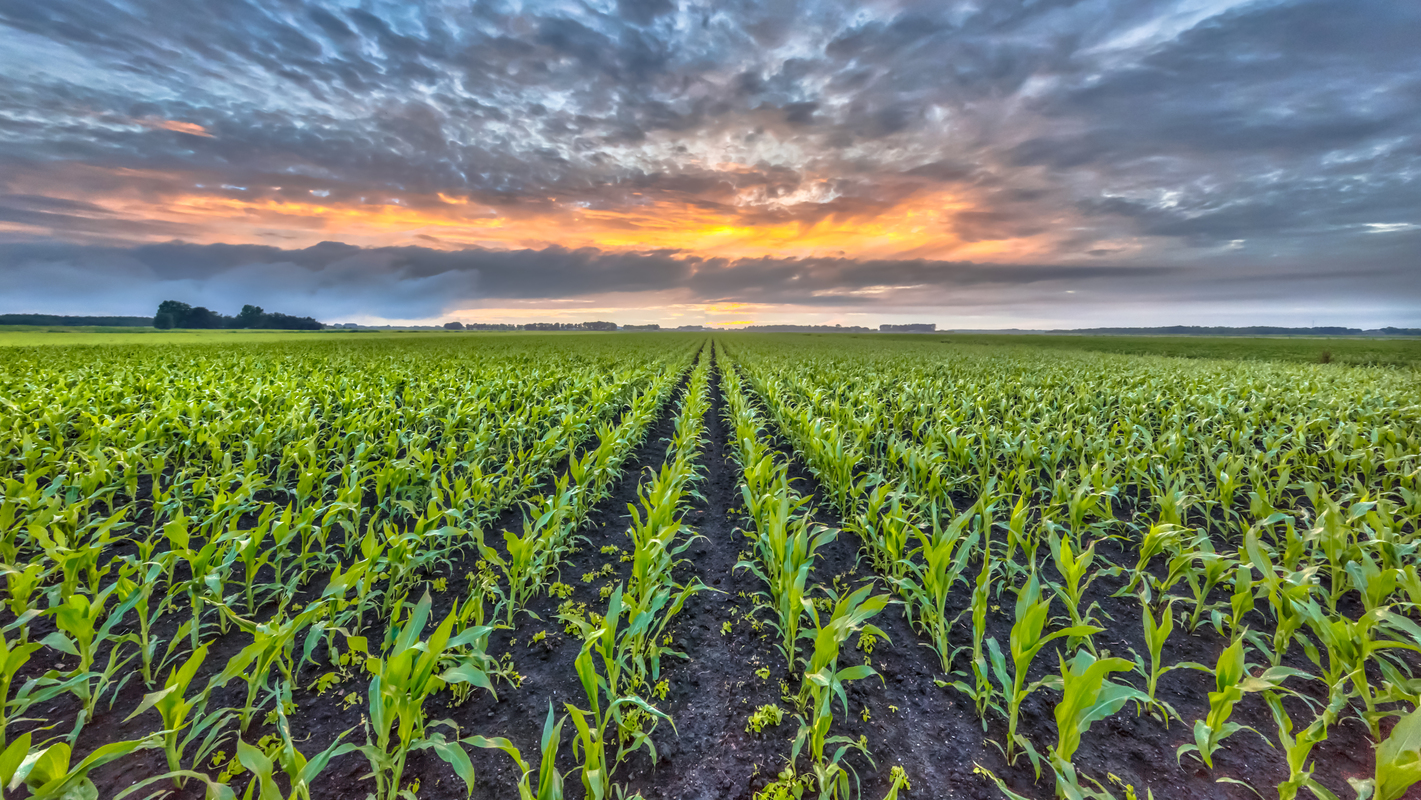
The FAO launched the group online in 2015 with 69 members. It now has 933 members in 82 countries. The plant, native to desert areas of south and north America, thrives in the increasingly arid conditions of Italy’s south, and needs ten times less water than maize, a comparable crop whose byproducts also include animal feed and methane.
So far Wakonda, an American Indian word meaning nature’s omnipresent creative force, has planted just 10 hectares of cactus with 40,000 plants per hectare, but Ortenzi plans to plant 300 hectares by the end of 2025, and he is thinking big.
Of the roughly 100,000 hectares of olive trees destroyed by Xylella in southern Puglia, only 30,000 will be replanted in the same way, he told Reuters in an interview.
“Potentially 70,000 could be planted with prickly pears,” he said.
In the long run the possibilities could be even greater, Ortenzi said, considering more than a million hectares of arable land have been abandoned in Italy in recent decades as climate change has made it more difficult to produce traditional crops.
Wakonda’s model
Wakonda’s business model discards the fruit and focuses instead on the prickly pads, which are pressed to yield a juice used for a highly nutritious, low-calorie energy drink. The dried out pads are then processed to produce a light flour for the food industry or a high-protein animal feed.
Wakonda’s circular, ecological production system also includes “biodigester” tanks in which the waste from the output cycle is transformed into methane gas used as a bio-fuel either on site or sold.
The company, which now has 37 shareholders, is in contact with mayors, firms and universities to develop its products.
Under Ortenzi’s business plan, rather than buying up land to plant the cactus, Wakonda aims to persuade farmers of its potential and then licence out to them, in return for royalties, all the equipment and know-how required to exploit it.
“The land remains yours, you convert it to prickly pears and I guarantee to buy all your output for at least 15 years,” Ortenzi said.
Source - https://www.westhawaiitoday.com