Canada - Assessing crop damage after a hail storm

18.07.2024 392 views

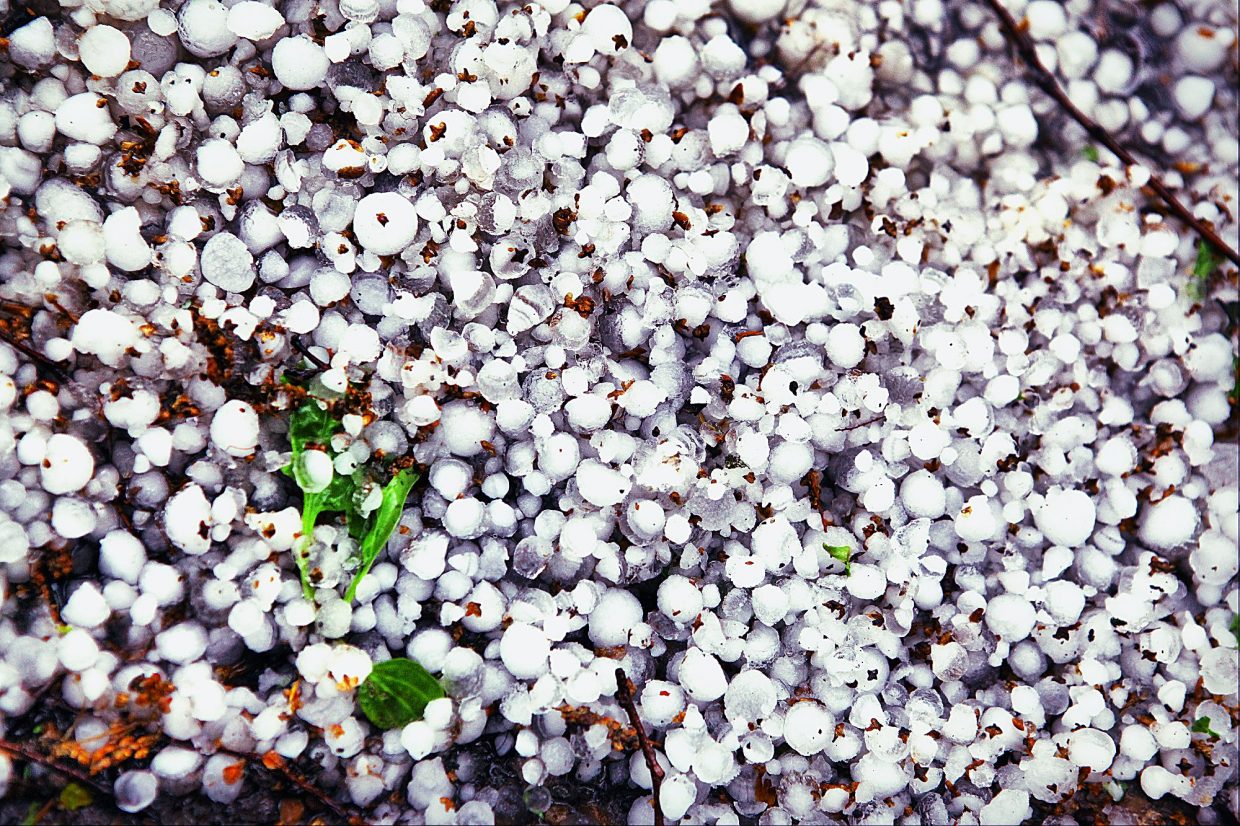
Summer storms are bringing not just rain and high winds to the prairies but also hail.

This year, heavy rain, hail, funnel clouds, and even tornado warnings seem to be a prominent occurrence across the prairies.

Hail damage can prove very costly, cutting yields and, in some cases, devastating a crop.

Crop Extension Specialist Meghan Rosso says following a hail storm, farmers will want to give crops 3–4 days to see if plants will recover.

"Hail recovery is stage and crop dependent. Crops with their growing points below the ground have a better chance to regrow, but maturity will often be delayed. These include cereals and pulse crops. As we look to oilseed crops that have their growing points above the ground, they are much more susceptible to hail damage. Oilseeds at the seedling stage have a better chance of recovery as long as the hail has not broken the stem of the plant."

Rosso notes that the chances of crop recovery from hail go down as the crop advances through the various stages of development.

The Canola Council of Canada reminds producers to be patient and give the crop several days post-hail before making any decisions. 

In the latest Canola Watch newsletter, they note that canola can usually recover from early season hail as it has a natural ability to branch and regrow.

Branching after hail can provide compensation for hail damage, but the crop will be at higher risk of sclerotinia due to extended flowering and will mature later.

Producers will also need to be aware of the added potential for disease development, as the hail creates open wounds on the crop plant and leaves, which can then be an access point for disease in the coming weeks.

Source - https://pembinavalleyonline.com

21.04.2026

New Zealand kiwifruit crop avoids major cyclone damage

Kiwifruit growers in New Zealand appear to have avoided a major impact from Cyclone Vaianu, which hit the east coast of the North Island this month. 

21.04.2026

Africa achieves first gene-edited grapevine using CRISPR for disease resistance, drought tolerance

A resistant grapevine reduces chemical input costs and crop loss.

21.04.2026

India - Growers hail Centre's decision to bring tea plantation under purview of weather insurance scheme

Tea growers hailed the government's decision to bring the sector under the Restructured Weather Based Crop Insurance Scheme (RWBCIS), which they said would help mitigate losses due to erratic rainfall and rising temperatures.

21.04.2026

Sri Lanka - Compensation for damage caused by Nilwala river salinity barrier to be expedited

The Government has allocated financial provisions amounting to Rs. 1,200 million in the 2026 Budget to provide compensation for paddy cultivation losses caused by the salinity barrier constructed on the Nilwala River in 2019 by the National Water Supply and Drainage Board (NWSDB) to prevent seawater intrusion into drinking water sources in the Matara District.

21.04.2026

Canada - Drought and input inflation force Ontario growers to rethink risk

Record‑low rainfall in 2025 and higher fertilizer prices are driving Ontario producers to lean on crop insurance.

21.04.2026

USA - Pest experts warn about the cost of crop damage caused by invasive species

As spring weather warms up, experts warn that this is also a time when invasive pests spread more easily.

20.04.2026

Pakistani mango crop declines on heat, cold, and hail damage

Mango production in Pakistan is expected to remain below normal this season due to weather-related impacts affecting flowering and fruit set in Punjab.

20.04.2026

Nepal - Minister Geeta Chaudhary Engages with Banana Farmers to Address Agricultural Challenges

Minister of Agriculture and Livestock Development and Minister of Forests and Environment, Geeta Chaudhary, has held a meeting with banana farmers. During the meeting, Minister Chaudhary discussed issues related to banana production, marketing, and fertilizer supply.