Local MP John Barlow, Conservative shadow minister for agriculture and agri-food, is weighing in on the federal government’s rejection of strychnine for emergency pest management.
He said the registration of two per cent liquid strychnine was needed as the Prairies are facing serious and escalating challenges in managing Richardson’s ground squirrels.
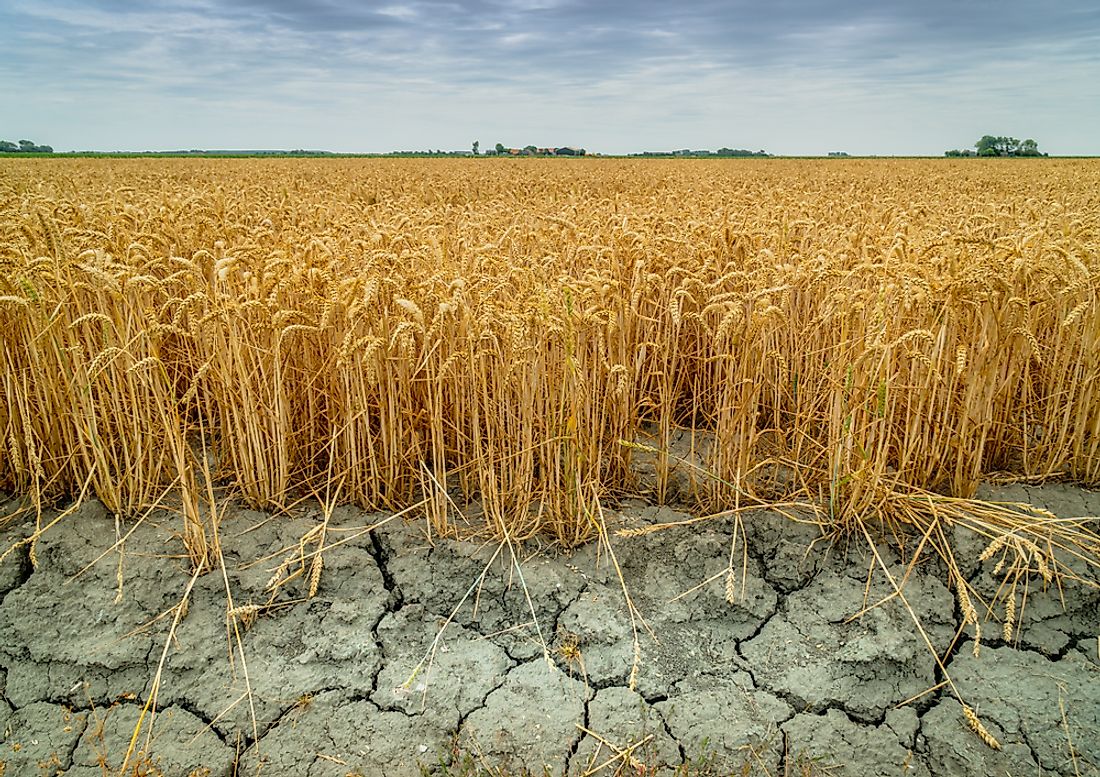
In Foothills County alone, he said an estimated 15,000 acres of farmland were lost this past summer out of approximately 830,000 acres, resulting in a roughly $3-million loss for local producers.
“For decades, farmers used strychnine safely and responsibly. Today, the remaining alternatives are labour-intensive, costly, less effective and, in some cases, pose greater risks to producers and livestock,” said Barlow.
“The result has been mounting economic losses, increased injuries to cattle and growing strain on already pressured farm operations.”
Since strychnine was banned nationwide in 2023, producers have been struggling against the growing population of Richardson ground squirrels devastating crop and pasture land.
“Once again, the Liberals prove that agriculture is not a priority, telling farmers one thing but doing another. Mark Carney promised he would change the mandate of the PMRA to ensure they ‘consider food security and the cost of food in all their regulatory decisions, without compromising on health and safety,’” wrote Barlow.
He said the decision is particularly disappointing given that the federal minister of agriculture and agri-food publicly supported Alberta and Saskatchewan’s emergency request.
“PMRA must take the real-world consequences of its decisions seriously and act with urgency to protect Canadian agriculture and food security. At a time when food security and self-reliance matter more than ever, farmers need practical, effective tools to grow the food that feeds Canadians and the world,” he added.
“We urge the Liberals to keep their word to prairie farmers and demand PMRA reassess this decision and ensure they make a decision based on up-to-date science, economic impact, the cost of food and food security.”
Source - https://www.highriveronline.com