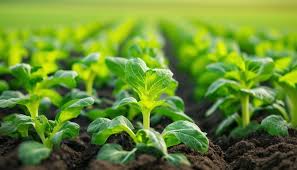
Land degradation and extreme weather expose the fragility of farming systems, with direct consequences for supply chains, markets and economic resilience.
Last month the World Economic Forum released its annual risks report. It underscores a growing recognition among global leaders, policymakers and academics that the ecosystems we cultivate are increasingly fragile.
The report identifies extreme weather as a top five short-term risk (over the next three years) and a top three long-term risk (over the next decade), alongside biodiversity loss and critical changes to the Earth’s systems.
The realities of climate change are becoming harder to ignore. We are not short on warnings, we are short on action. These risks are not distant environmental concerns, they have immediate and tangible repercussions on global supply chains and retail markets.
One of the largest threats to our global systems is land degradation. Contemporary agricultural practices, shaped by over-tilling, dependence on synthetic pesticides, and monoculture landscapes, play a huge part in perpetuating this.
A shift towards regenerative agriculture, however, promises a more sustainable, scalable future for our cultivated lands, mitigating climate risk, promoting supply chain resilience, and helping to protect our ecosystems.
The case for regenerative agriculture
For organisations reliant on raw materials and countries with large agricultural outputs, land degradation presents a substantial risk. According to PwC, 55 per cent of global GDP is moderately or highly dependent on nature.
We have witnessed the impact first hand in the textile industry — a survey conducted in the cotton-growing areas of Gujarat and Maharashtra, India, found more than half of farmers experienced significant or total crop loss due to flooding or drought between 2019 and 2024.
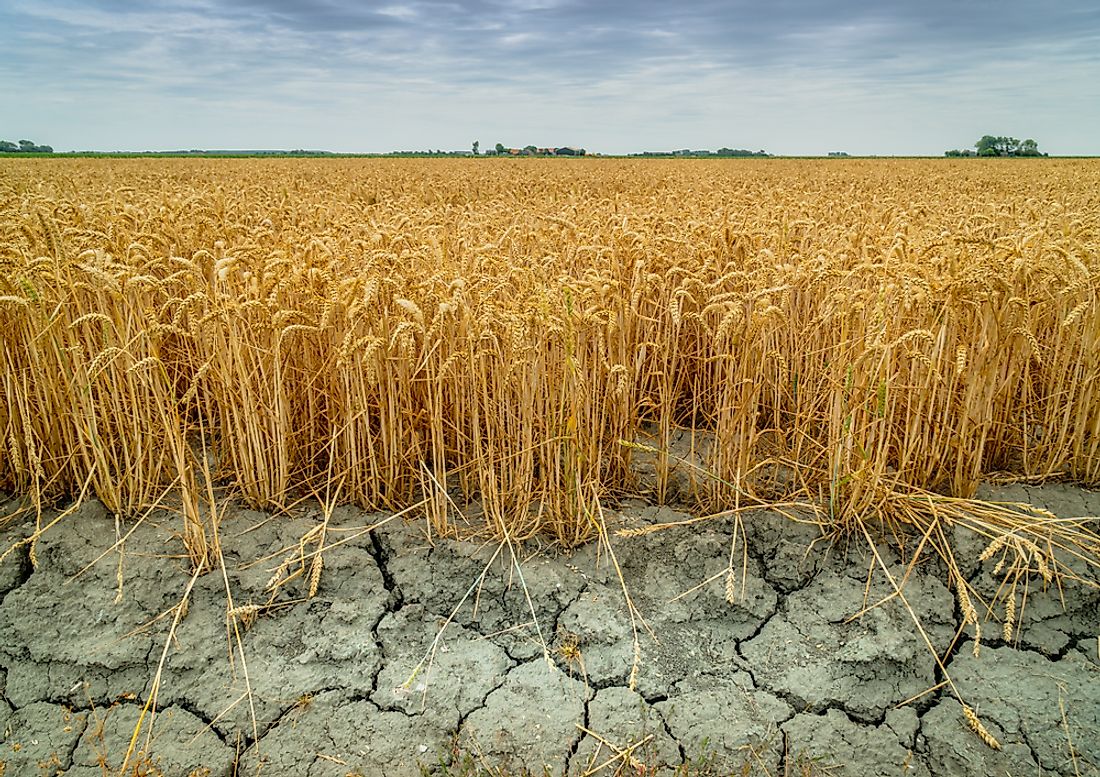
Climate disasters erode cultivated lands, removing layers of fertile topsoil. Damaging agricultural practices exacerbate this, creating a feedback loop where excessive land clearing and vegetation removal intensify climate-related pressures and drive further deterioration.
In the second year running our regenerative farming programme in Gujarat, farmers saw a 4.1 per cent increase in yield
Regenerative farming practices, in contrast, offer a pathway to reverse this trend. They go back to the basics of land cultivation: working with earth’s systems, not against them. This involves a holistic approach that promotes biodiversity, rebuilds soils and conserves water resources, thus strengthening the foundations of stable crop production.
CottonConnect’s experience working in cotton-growing regions worldwide demonstrates how this approach can translate into measurable resilience.
In the second year running our regenerative farming programme in Gujarat, farmers saw a 4.1 per cent increase in yield compared with control farms, helping stabilise production even in variable conditions. They also saw a 9.8 per cent reduction in input costs and 14 per cent lower water use, lowering exposure to price volatility in fertilisers and pesticides, as well as improving reliability in water-stressed regions.
When combined with other restorative methods such as biochar and agroforestry, regenerative practices can also begin to sequester carbon. In this way, it goes beyond the concept of “do less harm” by actively restoring our landscapes.
In fact, an life cycle assessment study into CottonConnect’s sustainable agriculture efforts found that methods such as farm-level irrigation and reductions in synthetic fertiliser use can cut the carbon footprint of cotton production by more than a third (35.4 per cent per kg of cotton fibre).
Scaled across major agricultural regions, regenerative practices directly support both sector-specific and economy-wide decarbonisation targets, while mitigating emerging regulatory risks.
How can policymakers and businesses engage?
Governments and policymakers have a pivotal role in accelerating a shift towards regenerative agriculture. Beyond implementing ESG guidelines and broad sustainability goals, it requires incentives that make regenerative farming the rational, practical choice. Subsidies, low-interest loans, and grants designed to encourage regenerative practices are essential to unlocking its potential.
As part of a wider initiative for sustainable production, China’s Ministry of Agriculture and Rural Affairs provides a plethora of agricultural subsidies. These include a farmland soil protection subsidy that rewards farmers for the maintenance of healthy soils, alongside a crop rotation and fallowing subsidy that incentivises agricultural biodiversity.
Problems of land degradation, biodiversity loss and earth’s changing systems cannot wait for slow policy cycles or broad ESG commitments
For the central government, these are strategic investments in the resilience of national agricultural landscapes, safeguarding export stability.
Further down the supply chain, regulatory bodies reliant on finished product exports, including the EU, have a responsibility to establish traceability and certification frameworks.
The forthcoming directive on empowering consumers for the green transition is a meaningful attempt at this. If effective, the directive will encourage regenerative practices as part of wider brand strategy, integrating it into marketing, consumer trust and long-term competitiveness.
In turn, brands may increase investment in on-the-ground farmer training and education, alongside improved access to resources and tools. Practical examples of this include the creation of demonstration plots and “lead farmer” networks to facilitate peer-to-peer learning and broader dissemination of best practices.
The future of regenerative agriculture
The risks highlighted in the WEF’s report are, at their core, risks of inaction. Problems of land degradation, biodiversity loss and the Earth’s changing systems cannot wait for slow policy cycles or broad ESG commitments.
Instead, they require a rethink of our agricultural practices and a strong implementation of regenerative-forward policy. It also requires engaging all stakeholders, from governments and regulators to businesses and agricultural communities.
Source - https://www.sustainableviews.com