The Executive Director of the Wild Blueberry Producers Association of Nova Scotia says the $25 million dished out by the federal and provincial governments is really appreciated after last year’s drought.
The funding was announced earlier this week through disaster relief framework AgriRecovery for blueberry and livestock producers, to help operations recover.
In an interview with Acadia News, Janettte McDonald said they are not exactly sure how the money will break down at this point but have an idea what the targeted areas will be.
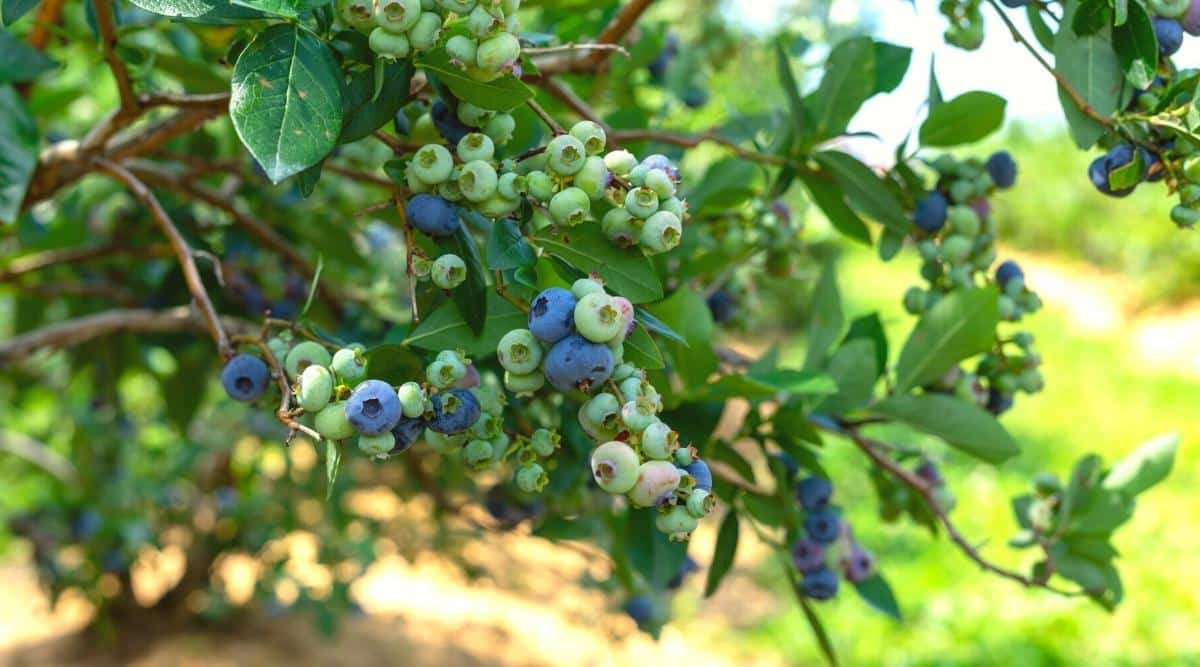
“For our blueberry growers, it will mean the extra costs that they have trying to get their plants back up to a healthy level to be more resilient in the future,” explained McDonald.
How are crops doing?
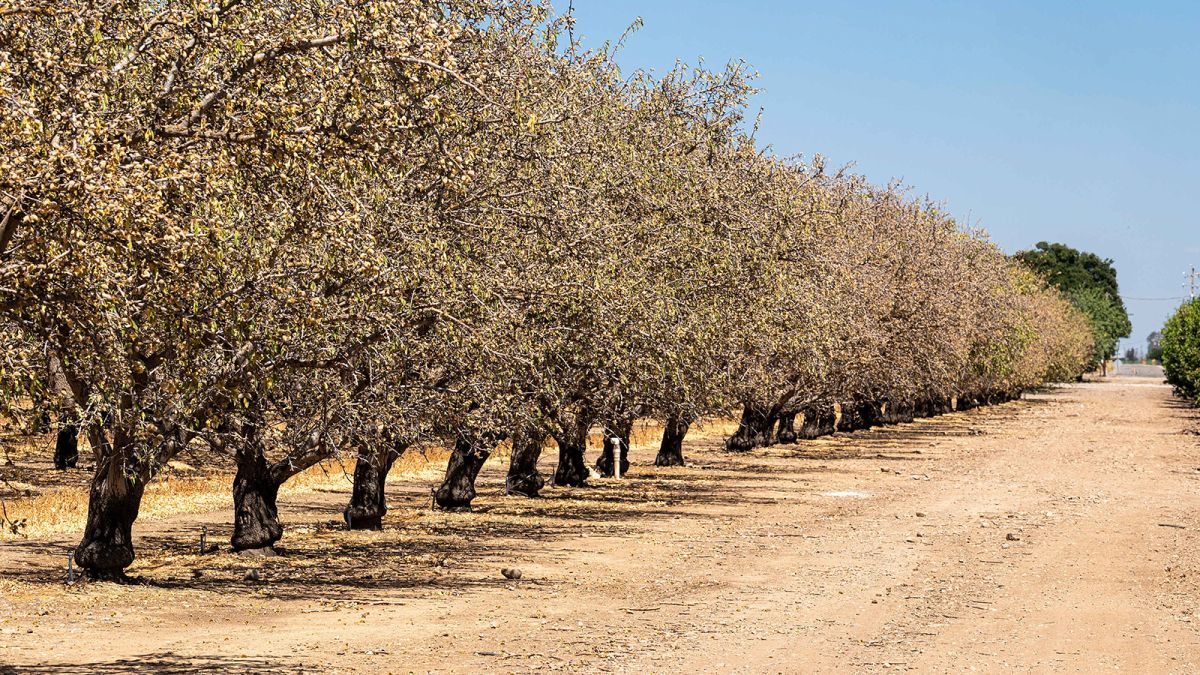
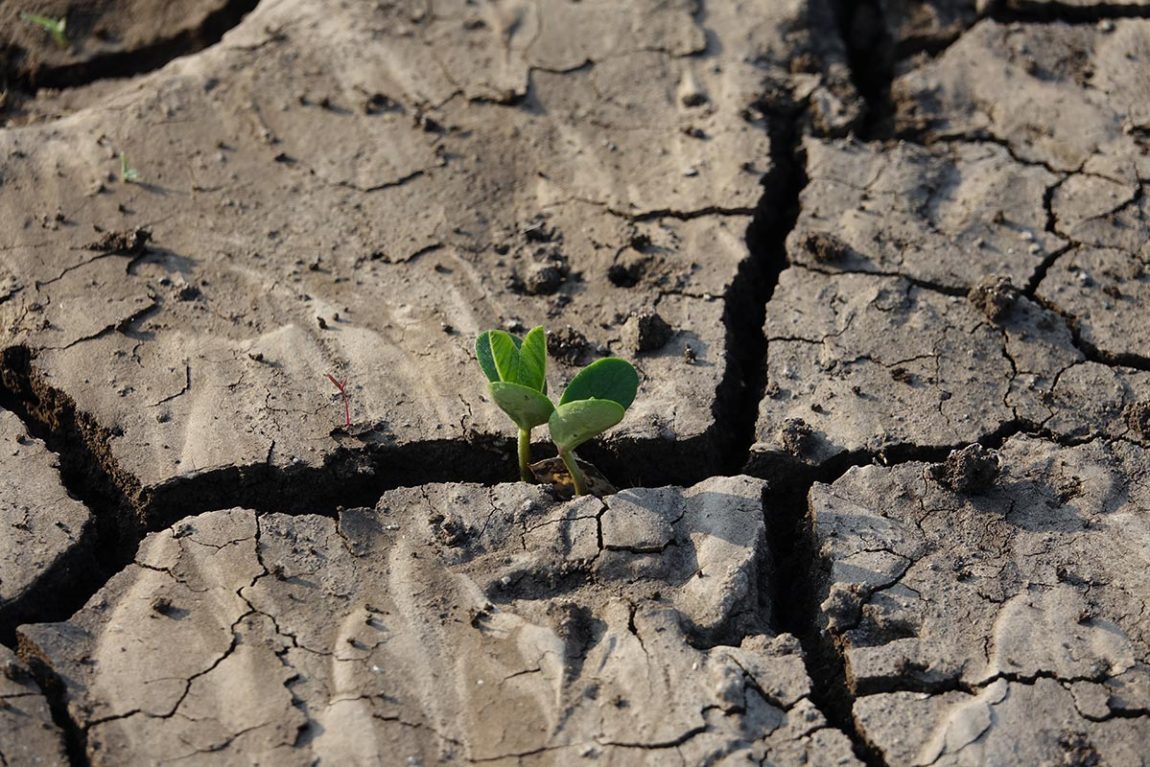
Nova Scotia experienced the worst drought it’s had in more than half a century in 2025.
It was so dry it led to a 55 per cent reduction in wild blueberry crops, which McDonald said caused a lot of stress and worry.
By January, McDonald had optimism going into the next season, but now unfortunately some crops are suffering again.
“It wasn’t just a one-year crop event,” said McDonald. “It really impacted the whole plant health.”
Because wild blueberries are perennial, she explained, we’re probably going to see this for more than one season.
McDonald added that some areas of the province were affected by frost, some have risk of disease because of a long bloom, but other areas are doing really well.
Looking ahead
McDonald said conditions are not as dry this year as they were in 2025, but they will take some extra moisture.
If conditions get too dry in areas like Cumberland County, McDonald said, it could be “really tough”.
She said, what is needed in the future, is more than average moisture as well as practical solutions such as business risk management programs and crop insurance.
“We’re definitely going to see climate be a significant impact for our industry,” explained McDonald.
She said they are hoping for a good year.
“We thank the governments for the work that they put into getting this program on the ground and out to growers.”
Source - https://yourtricounties.ca