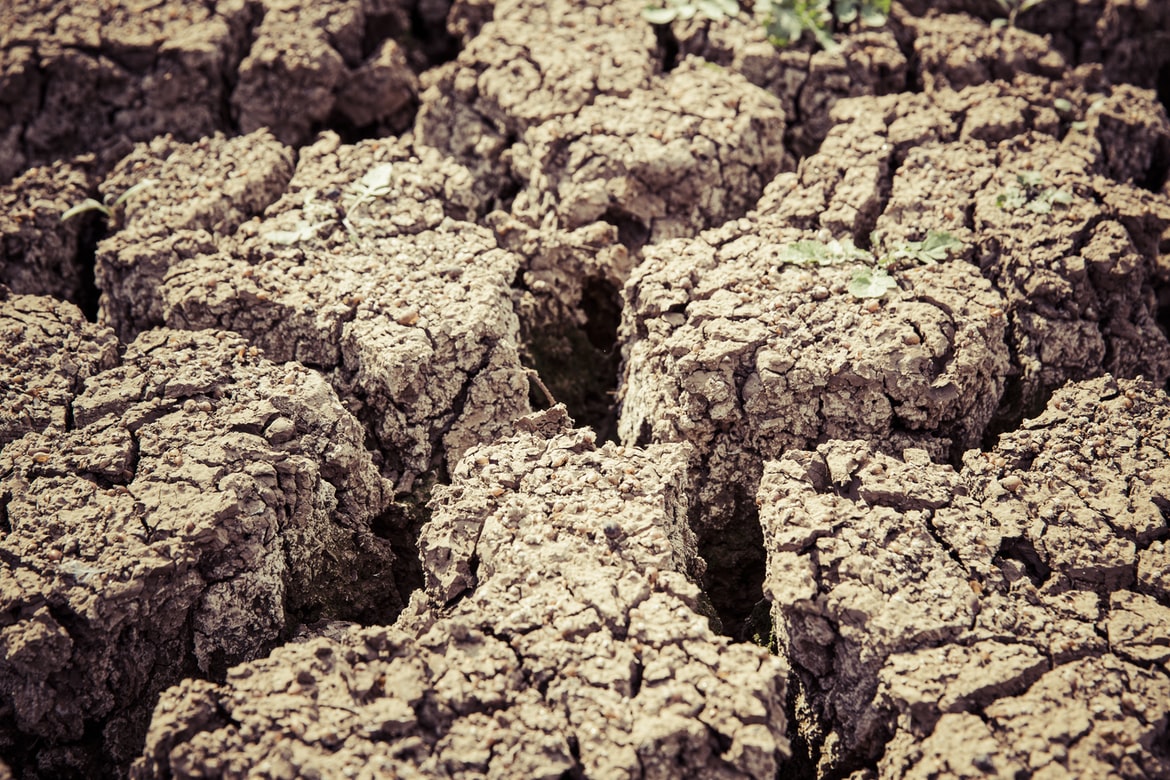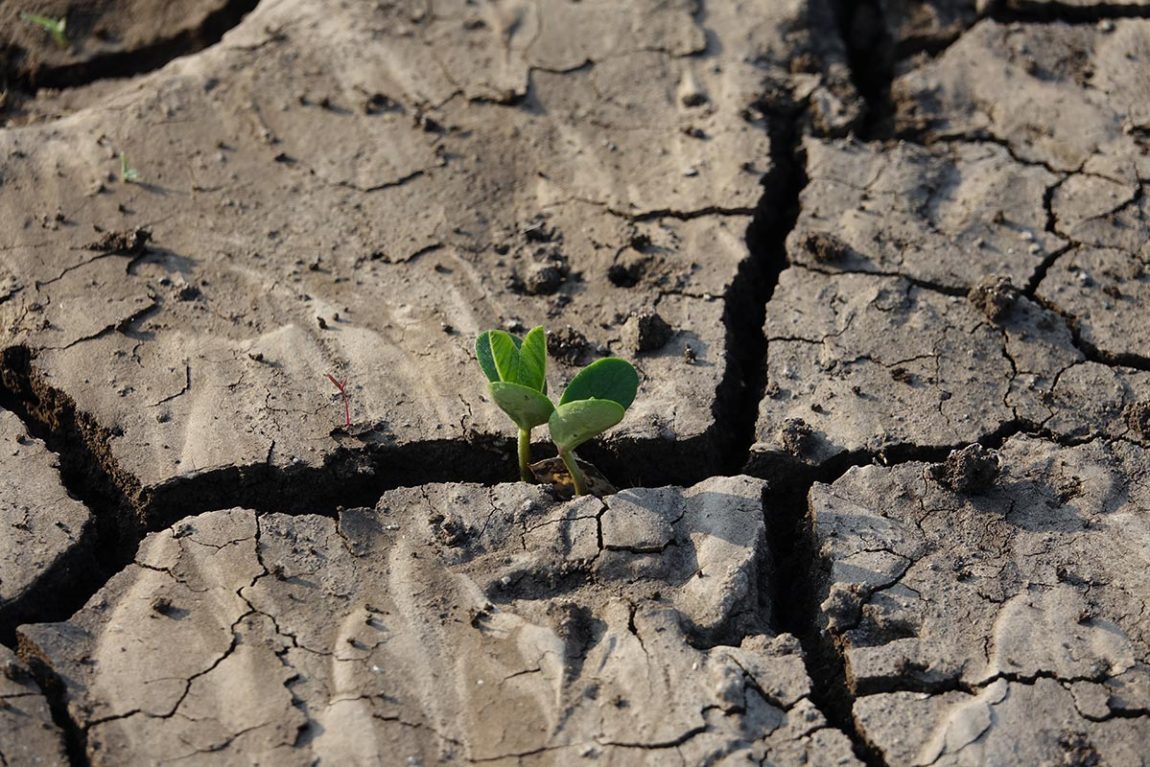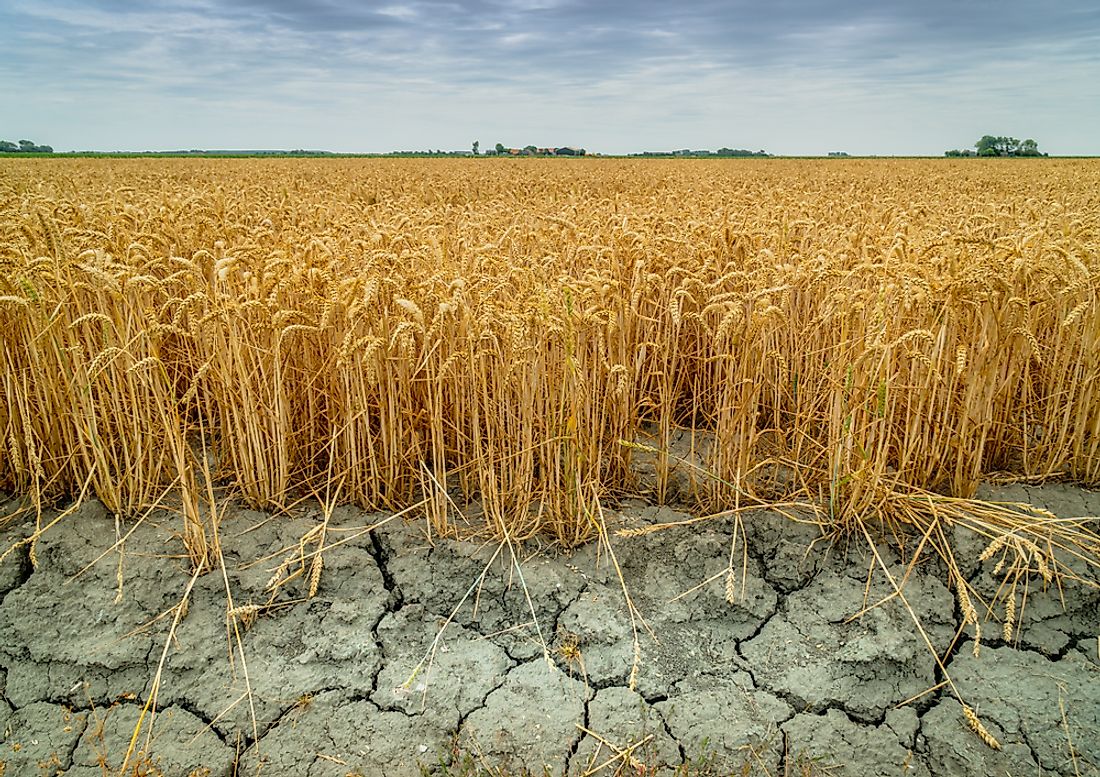
Farmers in eastern Idaho face critical operational hurdles as they navigate one of the most severe water shortages in decades alongside surging commodity prices, as dilansir dari Ksl.
The House of Representatives approved the Farm, Food and National Security Act, or HR7567, in April with a 224-200 vote, representing the newest version of the Agricultural Improvement Act of 2018.
National Association of Wheat Growers President Jamie Kress, a dryland farmer from Rockland, explained that the various components of the 976-page agricultural legislation are deeply connected.
"It provides a tremendous amount of structure to our industry, and it's all needed," Kress says. "It's a big bill, and it's complicated, but there's a reason it's as significant as it is."
While the legislation contains no direct provisions to solve the ongoing water crisis in Idaho, Kress noted that specific sections target high commodity expenses. Title 1 serves as an economic safety net, protecting producers against income volatility, severe weather disruptions, and market instability. The bill originally expired in 2023 but has received annual extensions over the last three years, with the 2026 update reauthorizing crop insurance, low-interest land loans, and conservation incentives.
Justin Place, who manages over 1,200 acres in Hamer, stated that agricultural producers unable to plant crops due to water scarcity are utilizing crop insurance to limit financial damage.
Adjustments were introduced in 2025 to close the gap between production costs and commodity prices, but Kress pointed out that the foundational data from the 2018 bill is over 15 years old. Consequently, the 2026 safety net payments fall short because they do not reflect modern operating realities.
"Even with those payments, most producers will still not break even," says Kress. "It makes it doable to stay in business, but it is not a wealth builder."
Place noted that while government aid is not the preferred choice, agricultural producers require an option to keep operations functional during periods of economic unpredictability.
"When you have low commodity prices, you need whatever can help things get along," Place says.
Title 3 focuses on trade, which remains an essential component for Idaho given that its wheat market ranks in the top five nationally. Kress stated that Idaho generates approximately 100 million bushels of wheat annually across 42 of its 44 counties.
Nearly half of this annual yield is exported to Mexico and Pacific Rim nations, including the Philippines, South Korea, Japan, Taiwan, and Thailand. Title 3 assists in expanding the global reach of agricultural exports while driving industry innovation and economic development.
"It's very important when we look at trade to ensure that we continue having that flow of wheat leaving the state," Kress says.
Agricultural diversity characterizes the Gem State, and Kress observed that the federal bill helps maintain food producers in business to support the population.
"It provides certainty in a very uncertain industry," says Kress. "We're always looking forward in agriculture … and not having something like the farm bill in place creates unease, and that's difficult."
Both Kress and Place anticipate congressional passage soon, with Kress expecting HR7567 to reach the Senate Agriculture Committee sometime after July 4.
Source - https://www.harianbasis.co