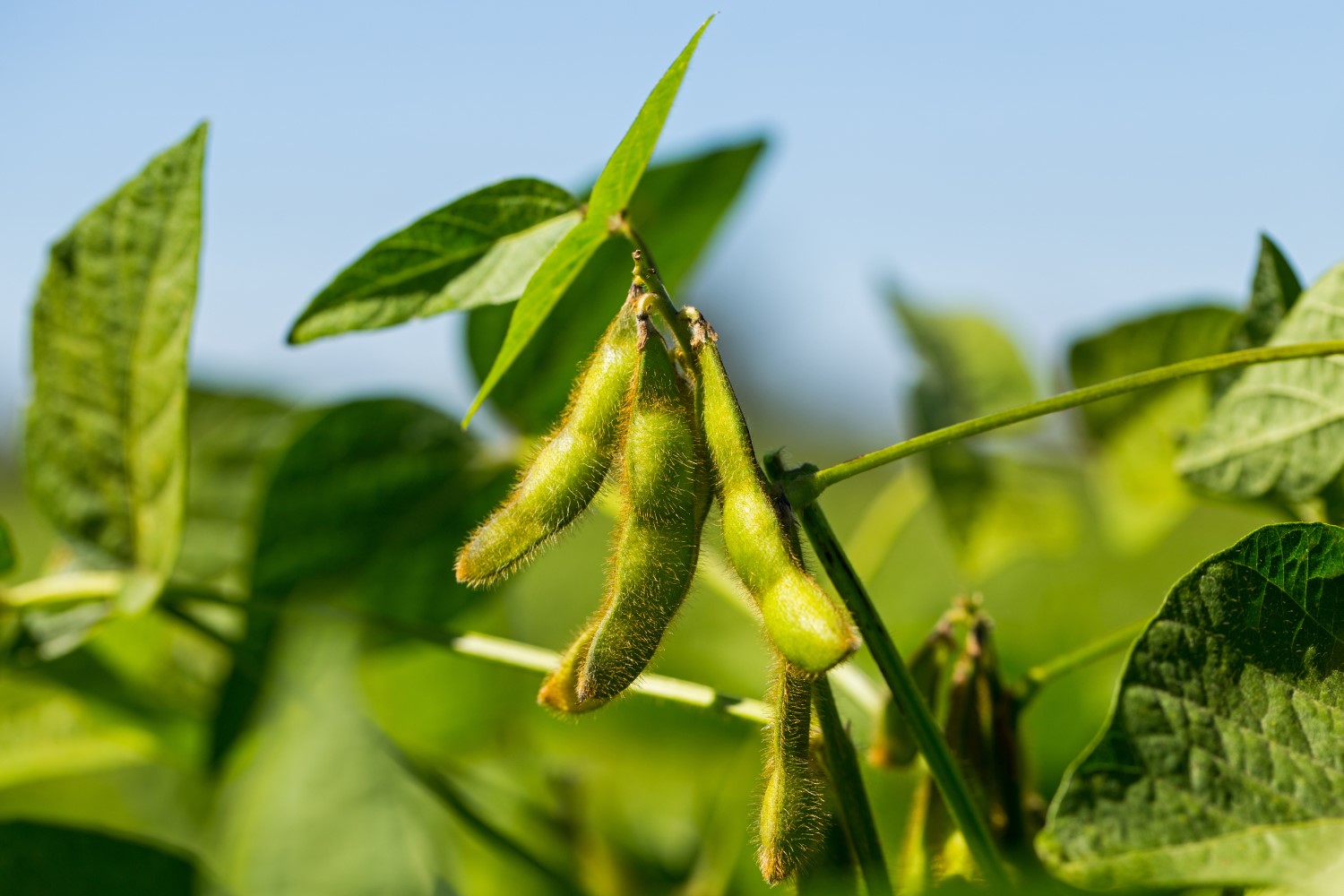
Adapt or die pierces to the heart of the province’s new $70 million dollar Enhanced Replant Program to promote climate-resilient varieties of fruit in BC.
In March 2024, the Ministry of Agriculture and Food announced the program to support wine, grape, berry, and tree fruit producers after two consecutive winters with deep freezes that resulted in catastrophic crop losses.
Lindsay Hainstock the regional agrologist/grape specialist for the South Okanagan and boundary area, and Jake Turek waste management engineer from the Ministry of Agriculture presented to the Regional District of the Okanagan-Similkameen (RDOS) the idea behind the new program, the deep freezes, and what happens with the agricultural waste left behind.
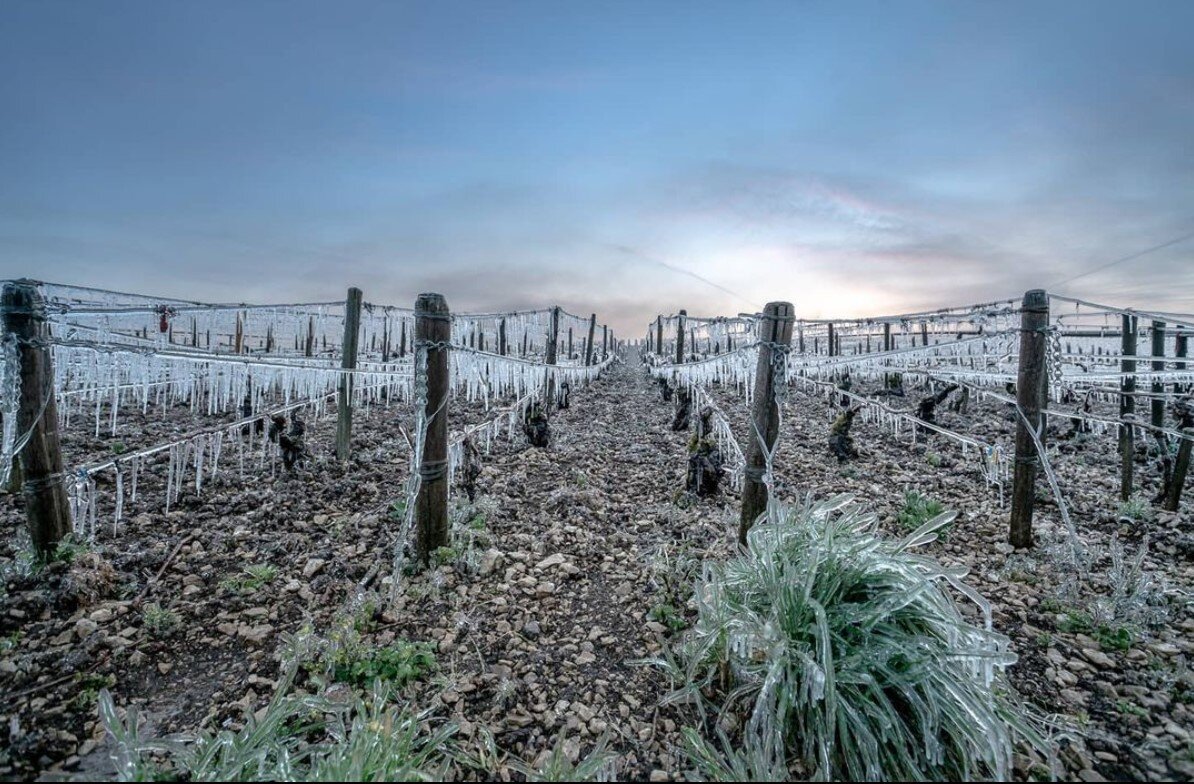
The polar vortex that the South Okanagan experienced between January 11-15, 2024, saw temperatures below -20°C, which resulted in a 95 per cent crop loss and in December 2022, a significant freeze event resulted in a 50 per cent loss of the grape crop in the Okanagan and Similkameen.
While crop loss does not mean all the plants were damaged, the ministry expects about 50 per cent were damaged in the North Okanagan, and more varied numbers in the South.
While they have not worked out exactly how this new plan will roll out, out of the $70 million replant program, $23 million will be earmarked specifically for the grape industry for replants, and $23 million for tree fruits, with the rest going to blueberries, raspberries and cranberries.
Hainstock explained that they hope to have this program launched in September and the program will likely not have a crop removal component to the program, but they are still designing the program to see what the industry would like to see.
This province tried a Perennial Crop Renewal Program last year but was forced to shut down. Part of the program was offering $5,000 per acre (0.4 hectares) to remove crops that were either diseased, damaged, low producing, low returns or the wrong varieties.
“Needless to say it was a very popular program and quickly became oversubscribed and we had to shut down the funding on that one. So that is probably where you saw a huge run of people racing to make that decision to pull out.”
She explained that the $5,000 per acre was for all the additional fees that come along with the task. “Whether that translated into people using the money for that, I am not sure. We unfortunately do not have that follow up. But we have learned a lot of lessons from that program.”
Hainstock noted that 56 ha of tree fruits and 78.5 ha of grape vines were applied for removals through the program.
The funding for the new Enhanced Replacement Program is intended to go more towards plant costs, then to remove plants. Noting that it is a delicate balance because there are only so many nurseries and plant material out there for people to purchase.
Hainstock explained one of the most important parts of this new program will be the $1.2 million specifically for the grape industry to construct a long term vision to determine a more sustainable future.
This task force, Hainstock explained, will perform a deep dive into what research is out there, and what varieties are better suited to the environment here so that the region is not facing this problem year after year.
With a significant amount of crops being removed, it raises the question of where all the organic waste goes.
“Organic matter is a huge issue for all the farms here in the Okanagan, so we are always looking for ways to return that to the soil,” Hainstock explained.
“Burning is obviously a cheap solution,” but they are finding this is more difficult for producers. The burn ban is already in place and with limited windows for venting days, this is not a viable option right now.
For the most part, this waste ends up going to the landfills. Hainstock commented that general guidelines have about 18.3 m (20 yards) of waste per acre or 4,000 kg (four tonnes) per acre being loaded onto a truck. For orchards, the waste can be much more, from 5,000 kg (five tonnes) up to even 100,000 kg (100 tonnes) per acre.
The province has other programs to try and help promote beneficial practices for when it comes to waste. For example, the province has the Environmental Farm Plan (EFP) which has a goal to improve on-farm awareness of agri-environmental risks.
The program sends an environmental planner to the farm to go through the regulations and what the owner could benefit from. The program features a 50 per cent cost share for things like composting agricultural waste, wood residue management such as chippers, plastic compactor equipment, and improved pesticide management.
While the new program to help agricultural resilience has a big price tag attached to it, $70 million, the RDOS board members questioned how that would be distributed.
RDOS Director from Penticton, James Miller, asked how this money would be effectively spread among small one to three acre farms, which have to compete against the 1,000 acre farms receiving all the money from the new program.
Hainstock responded that they are trying to gather these answers now before the program’s release, but noted “we are hoping to design the program to last a longer period of time and so that everybody can benefit from it.”
The program is not intended to be a response to the freeze, as there are already business management programs that deal with that, but something more extended to try and adapt and create a more resilient industry.
For more information on the upcoming Enhanced Replant Program, and the Environmental Farm Plan Program see the BC government website under Farming, Natural Resources, and Industry.
Source - https://www.timeschronicle.ca