Saskatchewan farmers forced to write off drought-afflicted crops are being asked to consider ways to turn those crops into cattle feed instead.
The Agricultural Producers Association of Saskatchewan (APAS), an industry association, put out a plea recently to grain farmers to help their rancher neighbours get through another summer of drought.
APAS president Ian Boxall said he's encouraging farmers to take advantage of a Saskatchewan Crop Insurance Corporation program which allows farmers who have to write off crops this summer due to low yields or grasshopper damage to divert those crops to feed.
Boxall, who farms near Tisdale in the northwest corner of the province, said he believes some farmers won't have a crop worth harvesting this year.
But he said they still may be able to do some good by allowing a neighbour to cut and bale it for feed, or even by putting up temporary fencing so that their unsalvageable acres can be used for grazing instead.
"Let's be honest, no farmer ever wants to collect crop insurance — that's not the goal," Boxall said.
"But it is a safety net that's in place for grain farmers that doesn't exist for a lot of other sectors in agriculture, and this is a way grain farmers can support the livestock sector."
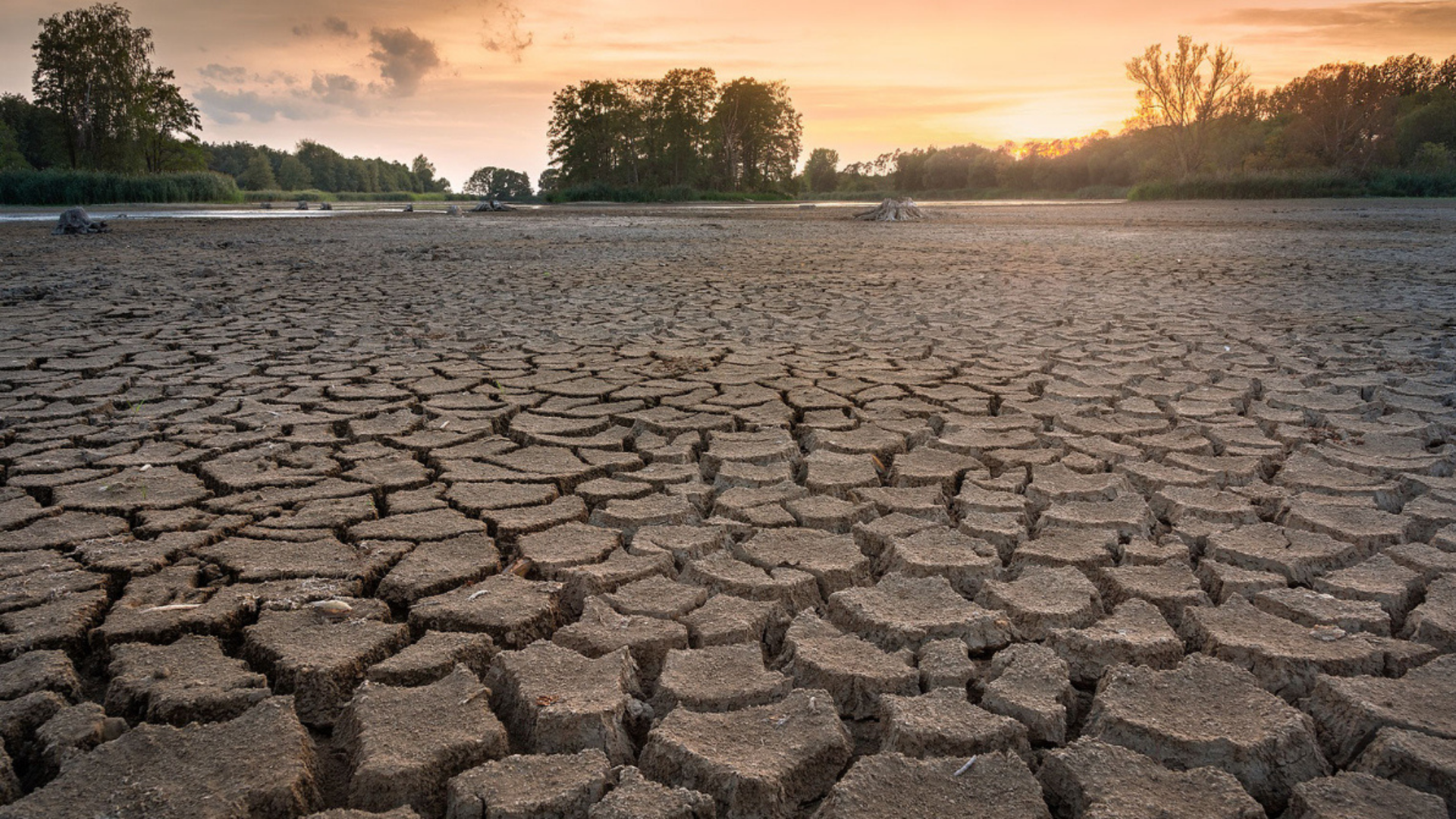
According to Agriculture Canada's most recent drought monitor report, 76 per cent of the country’s agricultural landscape is either abnormally dry or experiencing moderate to severe drought this summer.
Depending on the region, some farmers are experiencing their third or even fourth drought year. In particular, 2021 was so bad that Canada saw its overall production of some crops fall to the lowest level in more than a decade.
While the extreme conditions have been hard on all types of farmers, cattle producers in the Prairie provinces have particularly struggled as hay and other grazing crops wither and die and the cost of importing livestock feed skyrockets.
In the face of such ongoing challenges, some ranchers are choosing to downsize their herds or exit the industry entirely, statistics show.
Last year, the size of the Canadian cattle herd fell to 12.3 million animals — the lowest level recorded since July 1, 1988.
Boxall said he's afraid this downward trend will continue and cause negative repercussions for the entire agriculture industry. He said in the long-term, governments need to offer more targeted relief programs for cattle producers, but for now, neighbours should lend a helping hand.
"Grain production doesn't work without a thriving livestock sector. We (grain farmers) need access to that feed market in the long-term for the industry as a whole to work," he said.
"If producers are in that situation, and they're going to get a cheque from crop insurance, why not give (that crop) to a cattle producer? Because those cows need to be fed every day."
On Monday, agriculture lender Farm Credit Canada said it will consider loan payment deferrals for farmers in B.C., Alberta, Saskatchewan and Manitoba who may be facing a cash shortfall this fall and winter.
The Crown corporation said the lack of rainfall in the affected provinces is an extension of "multiple years of below-average precipitation" and has also led to infestations of pests in some areas that has compounded the challenges.
"We stand by our customers over the long term," said Farm Credit Canada executive vice-president Sophie Perreault, who urged producers to contact FCC to discuss their options.
Source - https://www.bnnbloomberg.ca