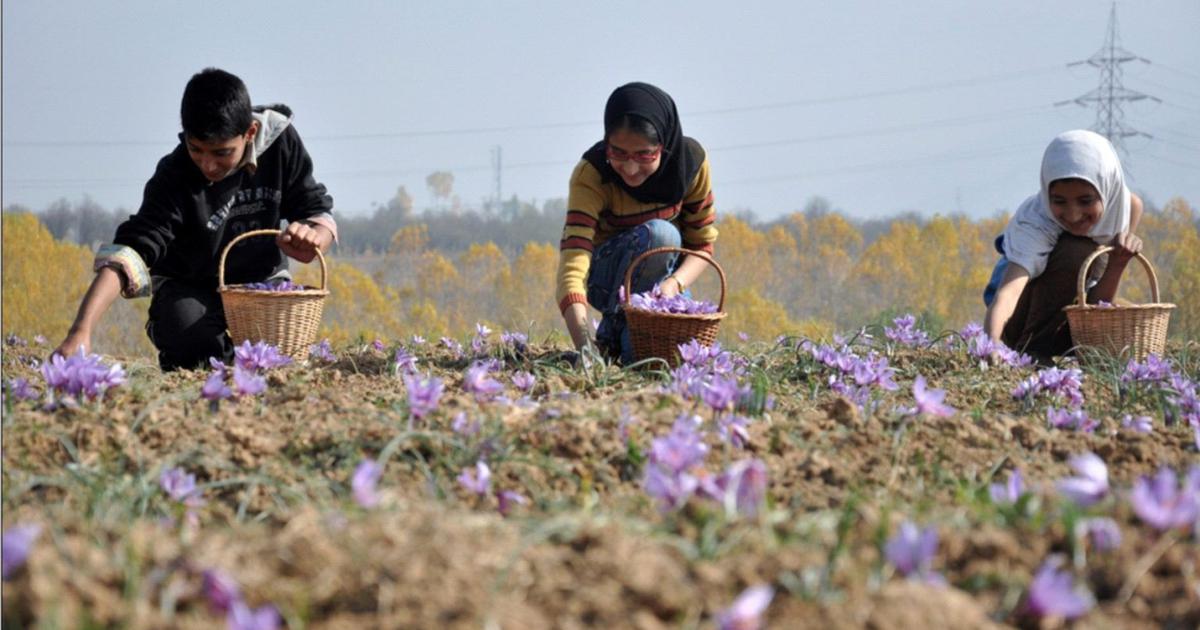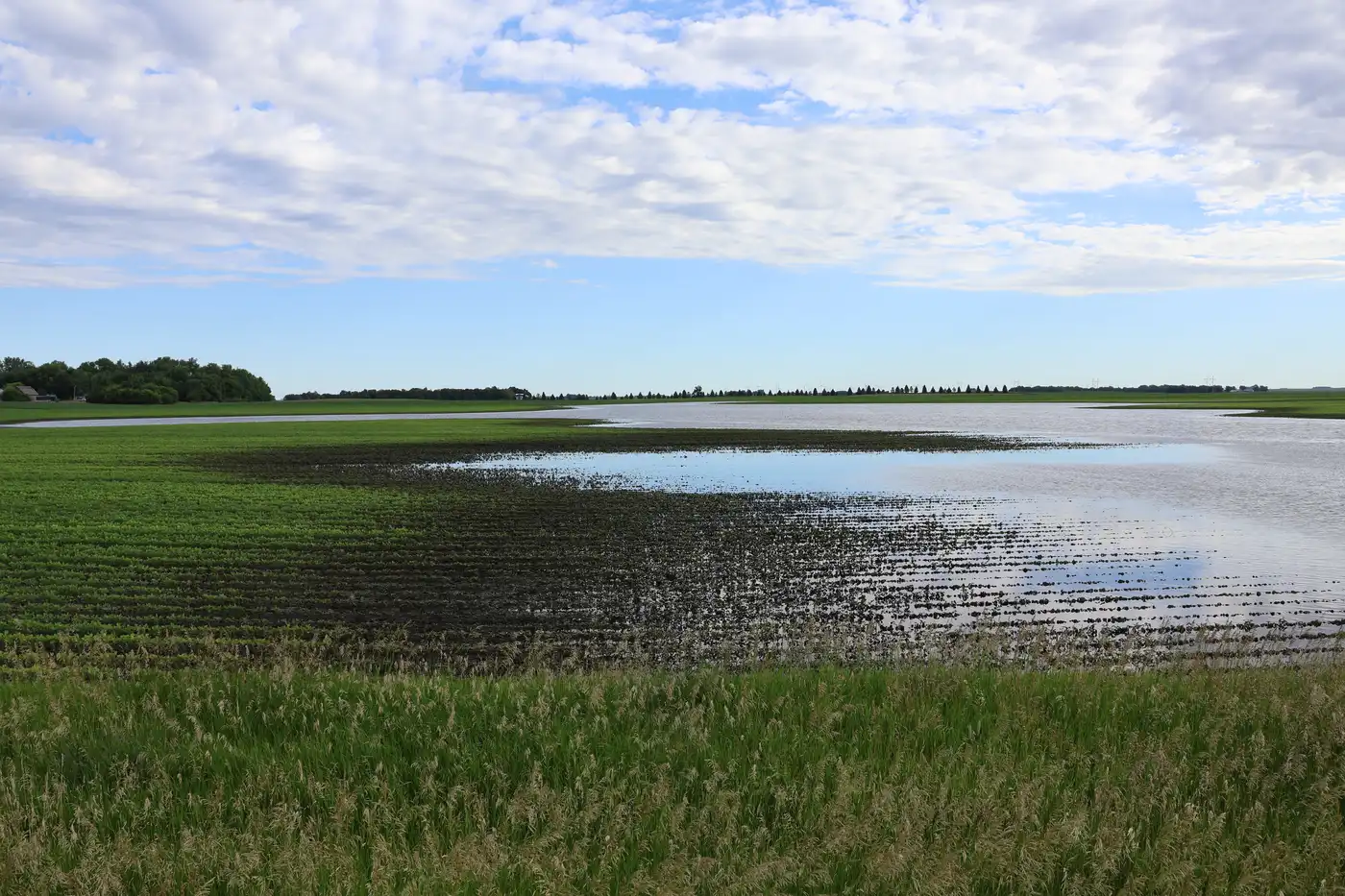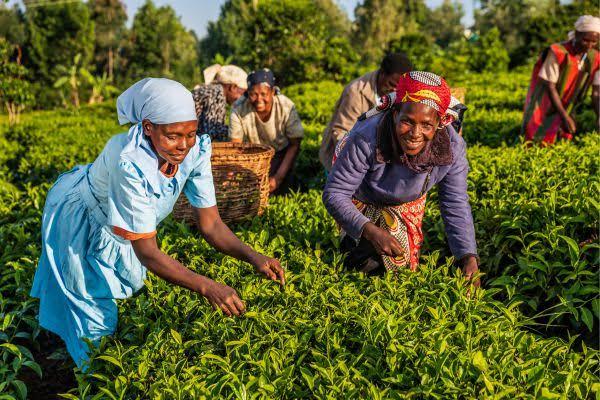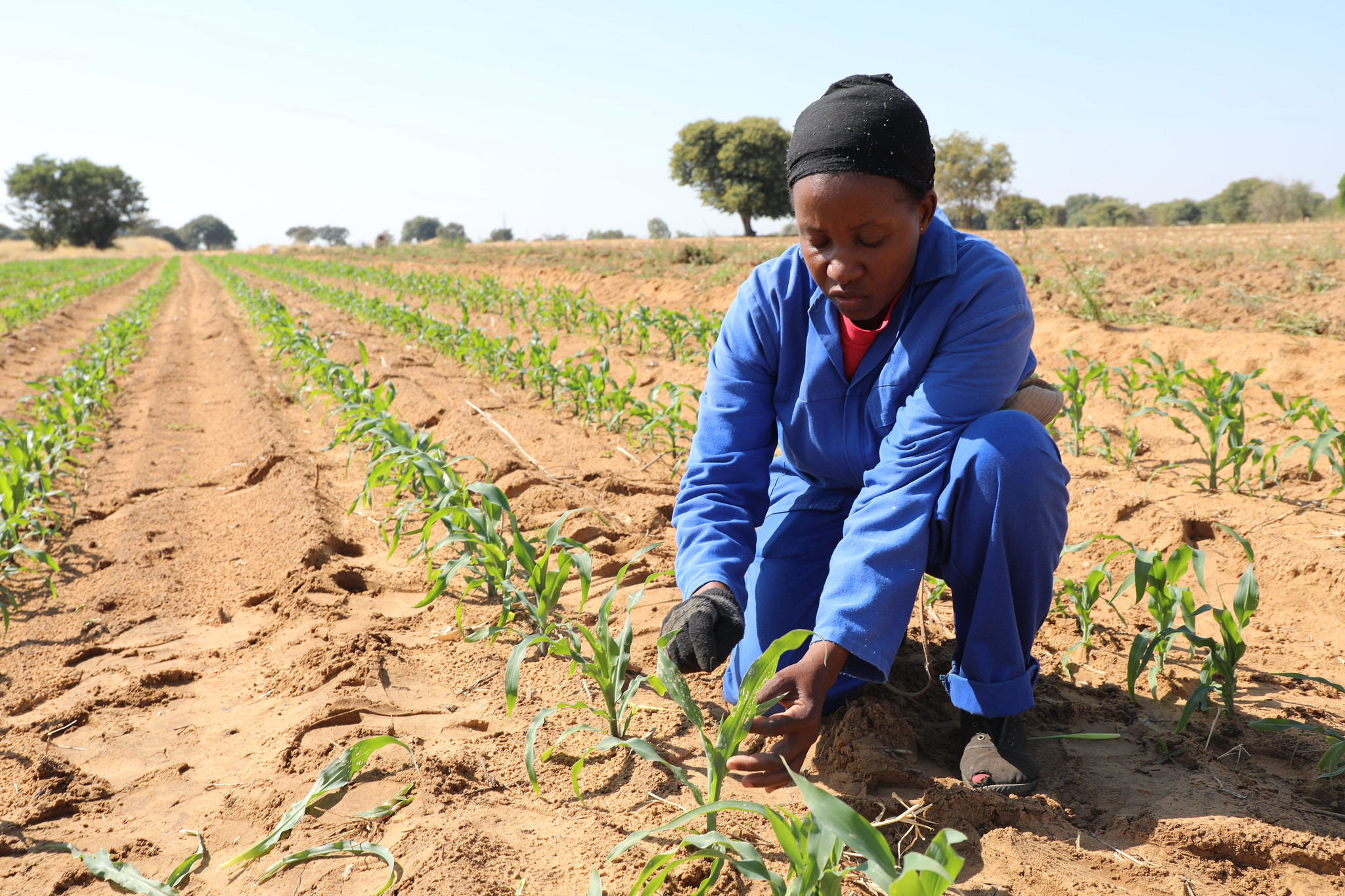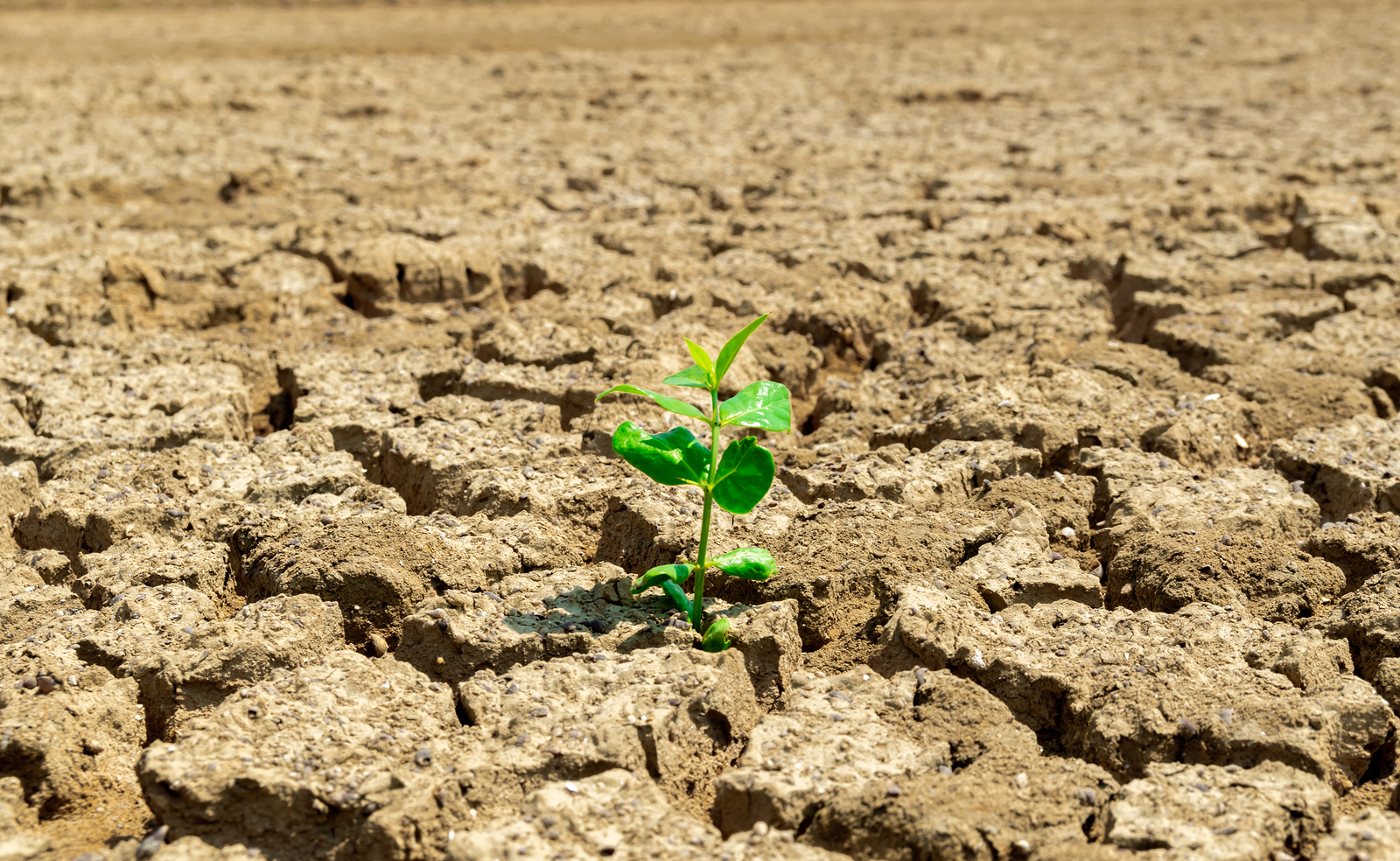
Crops in southern Alberta that should be green are turning brown. With little to no measurable precipitation since mid-April in areas south of Calgary, some farmers are already predicting crop losses.

“They are dying essentially. It’s something that we’ve never experienced before. We’ve had dry conditions later in the season but to have it at the end of May, beginning of June like this is unprecedented,” said Stephen Vandervalk, a fourth generation farmer in southern Alberta and the vice president of the Western Canadian Wheat Growers Association.
“We are out a third of our crop as of today, for sure, and every single day it’s just nose diving. Every day now we are probably losing 5 per cent of our yields, so if we don’t get rain for another week, then half a crop, maybe, is in the cards,” Vandervalk said.
Adding to the problem: grasshopper infiltration.
“We are trying to spot spray areas because otherwise what happens (is) you will lose your entire crop. Zero. Bare to the ground,” Vandervalk said.
He added the only thing saving Alberta now from the catastrophe the province experienced in the 1930s is better farming practices.
“Farming techniques have changed so much that if we were experiencing what we have in the last six years, 30 or 40 years ago, southern Alberta would be a dust bowl,” Vandervalk said.
“For the lack of a better term, we are on the road to zero production here in this area south of Calgary to about Fort Macleod.”
The reeve of Foothills County says a lot of ranchers are not turning their cattle out to pasture because there isn’t a lot of grass out there. That means the cattle are still feeding from winter storage.
“Once those start to be depleted, which I’m hearing they’re getting close, they will either be buying feed or looking for other pastures because in this area, we’re certainly not seeing a lot of grass,” said Delilah Miller on Sunday in High River.
Miller also said dugouts are drying up because of the lack of rain.
“We really haven’t had any of the usual spring rains or the runoff,” she said.
Miller added farmers are telling her that if they get some rain in the next week they could possibly salvage their crops. She said the county could declare a drought emergency so farmers and ranchers could seek federal help.
According to the Agricultural Moisture Situation update, moisture reserves are largely depleted, and the weather has been unseasonably warm in Alberta.
“Since May 1, the weather has been very warm, driving higher moisture demand further depleting soil moisture reserves, following a dry fall and spring,” reads the June 6 report.
The report says extremely low soil moisture means that crops will need timely rains on a regular basis until sufficient moisture falls.
Steady rain in June and July should make canola salvageable, but the outlook could be worse for cereal crops like barley and wheat.
“Say tomorrow we had an inch per week every single week, we would probably have about two thirds of a crop. A full crop is gone in cereals,” Vandervalk said.
He says a lot of people have quit spraying but that can lead to weed problems for years to come.
“You can’t just walk away because you can affect 10 years into the future. The perfect example is wild oats — a horrible weed. You’re going to be farming next year so you have to do what’s best for next year not just was best for your pocketbook today,” Vandervalk said.
Source - https://globalnews.ca