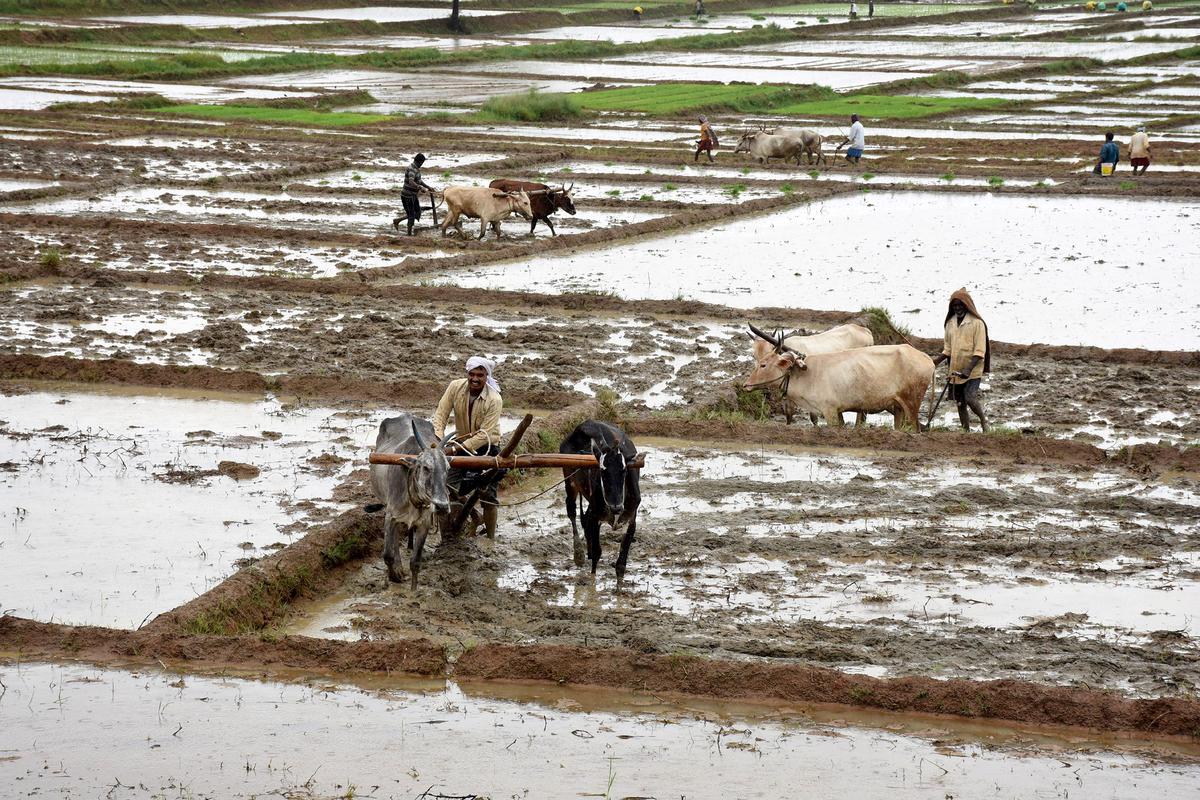
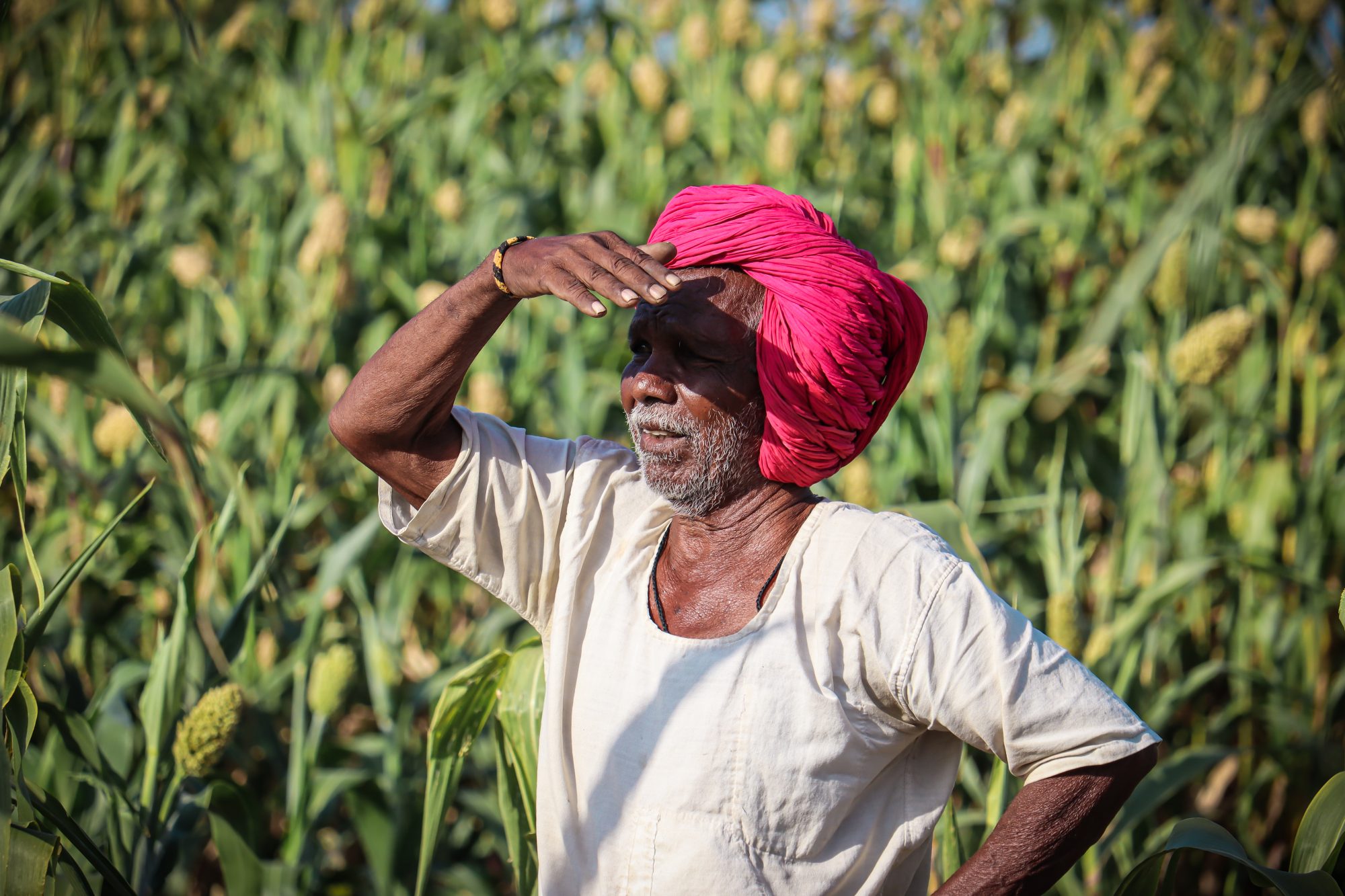
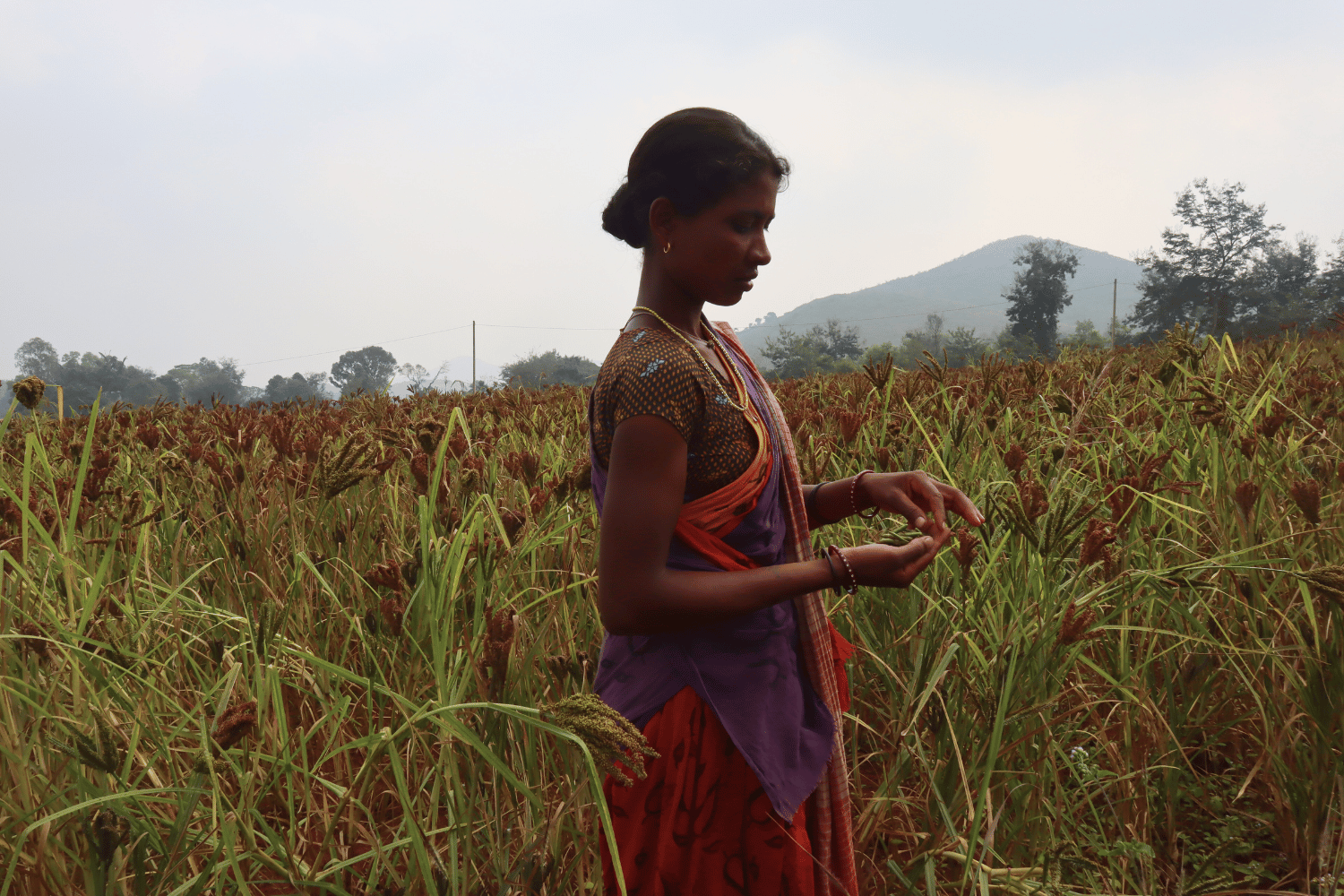
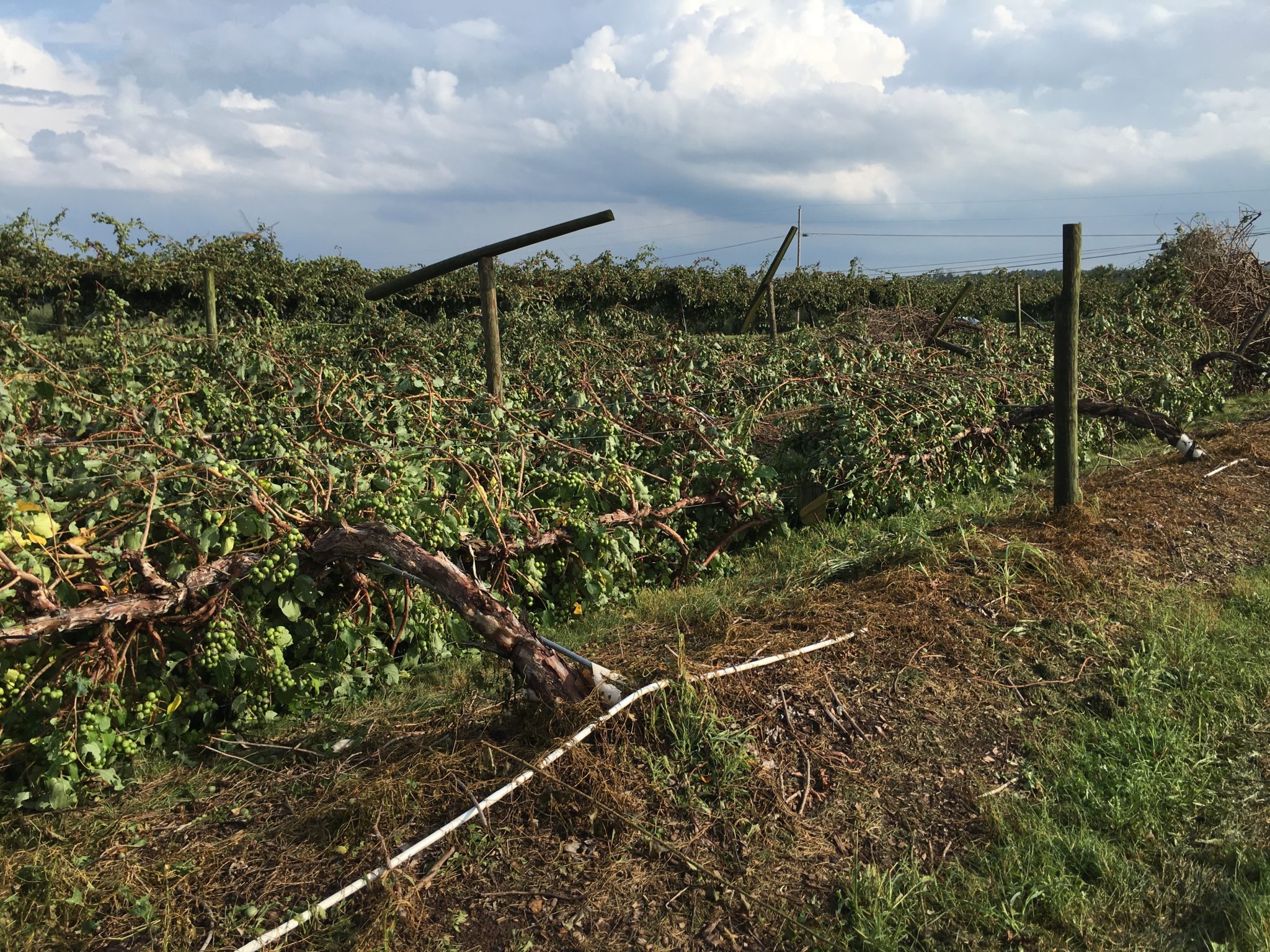
The Pandemic Prevention and Preparedness Act proposes that the Canadian government be permitted to "regulate" the agri-food sector, including industrial animal agriculture.
A federal bill on pandemic preparedness has generated controversy around its implications for Albertans and the agriculture industry.
The stated purpose of Bill C-293, or the Pandemic Prevention and Preparedness Act, is to prevent the risk of and prepare for future pandemics. One component of the bill proposes that the federal government be permitted to "regulate commercial activities that can contribute to pandemic risk, including industrial animal agriculture," and "promote commercial activities that can help reduce pandemic risk, including the production of alternative proteins."
According to provincial Minister of Agriculture and Irrigation RJ Sigurdson, the proposal could devastate Alberta's agricultural industry and have huge negative consequences on producers, processors and the entire provincial economy.
"If the bill passes through the Senate, the federal government would have the discretionary power to allow public health officials to shut down facilities like livestock operations and meat processing plants without clear objective criteria," said Sigurdson in an Oct. 24 press conference centered around the bill's potential impact on Albertans.
Bill C-293 was introduced in 2022 as a private member’s bill by Nathaniel Erskine-Smith, Liberal MP for Beaches-East York. It has passed the House of Commons and is currently at second reading in the Senate.
When asked why the press conference is being held over two years after the bill's introduction, Sigurdson cited current concerns around affordability and food security in Canada.
"Cooperation from the federal government is why now... a call to action to the federal government to come back to the table, to work with our livestock producers to make changes," he said.
Sigurdson, who has recently led trade delegations in Mexico and the United States, added the bill's language has the potential to negatively impact investment in the province.
According to the Government of Alberta, the province's agri-food exports were valued at $17.9 billion in 2023.
"This could alter farm and ranch operations, affect producer and processor livelihoods and impact our economic stability for the worse," said Sigurdson, who added that he has reached out to Alberta's senators and federal Minister of Agriculture and Agri-food Lawrence MacAulay, as well as Agri-Food Canada and Health Canada, to request that amendments be made to the bill.
"Alberta supports pandemic preparedness based on science, but we will always stand up for our industry leaders when policies inappropriately threaten their viability, and we will always stand up for our constitutional jurisdiction," he said.
Additional speakers at the press conference included provincial Health Minister Adriana LaGrange and industry leaders David Hyink, Doug Roxburgh and Sandra Spruit of Alberta Chicken Producers, Alberta Beef Producers and Alberta Pork, respectively.
"Despite a lack of consultation with provinces and territories, the bill is now before the Senate, and Albertans should be concerned," said LaGrange.
"The health and well-being of Albertans is our top priority... all preparedness plans, however, are unique to each province and territory," she continued, raising jurisdictional concerns about the federal government's approach to pandemic risk reduction.
"Alberta will make decisions about responding to public health emergencies in a way that best serves Albertans, not the federal government."
Bill C-293 was last debated by the Senate on Oct. 22. In that session, the bill's sponsor, Sen. Marie-Françoise Mégie, acknowledged the need to bring in experts to speak on potential biosecurity risks around farms and livestock.
"We don’t need to get into detail on that now. We can wait until we study this bill in committee. Then we can invite farmers from various sectors of the agricultural industry to appear. They will be able to tell us what needs to be done, because they will make suggestions based on their fears and on what can be done to allay those fears," she said.
Source - https://www.rmoutlook.com