Canada - Game-changing program seeks to solve major problem in agriculture industry

17.11.2025 387 views

An environmental organization has teamed up with a Canadian district to address waste in the region's agricultural sector. 

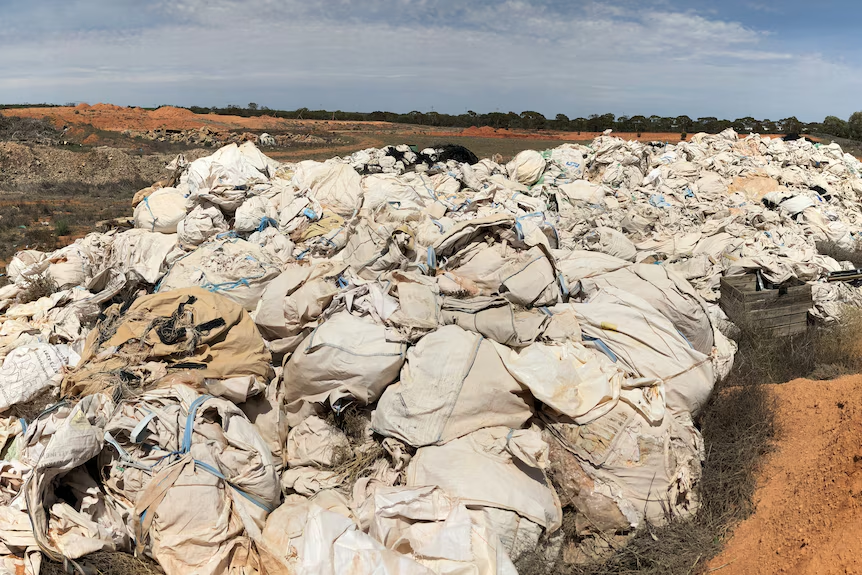
According to the North Thompson Star/Journal, Cleanfarms announced a new pilot program with the Thompson-Nicola Regional District in southern British Columbia to recycle bale wrap and silage bags and covers. The four-year partnership will help divert plastic waste from the area's farming from ending up in landfills. 

Plastics are used in a variety of ways that benefit agriculture, according to the Food and Agriculture Organization of the United Nations. While using this material in everything from packaging to irrigation can increase crop yields and decrease water demand or the need for agrochemicals, plastic has significant environmental risks upon disposal, as it is not biodegradable. 

FAO released a report in 2019 that found the agricultural sector used 12.5 million tons of plastic in production and 37.3 million tons of plastic in packaging. Without responsible regulation, the public faces the risk of microplastics in our soil as well as excessive plastic waste exacerbating the rapid overheating of the planet. 

The report was the first of its scale to quantify the impact of plastic on the global industry, which is crucial information in helping balance the benefits and trade-offs of using the material for responsible, effective agriculture around the world. Meanwhile, in Canada, Cleanfarms has been leading this effort since 2012, with studies and research into agricultural plastic waste.

Instilling a means for recycling in the agricultural sector was a fundamental goal for Doug Haughton, a TNRD area director. As the owner of two John Deere dealerships for 39 years, he knew firsthand the amount of plastic waste that was coming from this sector and made it his priority to address it. 

"We need to look after our environment, and agriculture needs to do its part, so there was a need to get the ball rolling," he said. "I'm really proud that we've taken the initiative."


Source - https://www.thecooldown.com

30.06.2026

Poland faces smaller AJC crop while Turkey prepares for recovery

Poland's apple juice concentrate (AJC) crop faces the prospect of a sharply reduced harvest in 2026 following severe frosts, while Turkey is set for a strong recovery season after near-total losses a year earlier, according to market sources cited by Mintec.

30.06.2026

Canada - Excess moisture, flooding insured perils under AgriInsurance

Excessive precipitation across northern Alberta over the past several weeks has significantly impacted seeding progress for many producers and is causing fields to flood in some areas.

30.06.2026

India - Delta farmers seek special relief package as Kuruvai loss threatens incomes in TN

With water storage in the Mettur dam forcing a sharp decline in short-term paddy cultivation this season, farmers in the Cauvery Delta have urged the Tamil Nadu government to announce a special relief package and provide scientific guidance on alternative crops to help offset mounting losses. 

30.06.2026

CRDB Bank Deploys AI Nose-Print Technology to Shake Up Tanzanian Livestock Insurance

Tanzanian pastoralists are set to access a transformative digital insurance framework utilizing artificial intelligence to scan animal nose prints for rapid payouts.

30.06.2026

Philippines - WB grants $70M loan for farmers' climate-risk insurance

The World Bank is lending $70 million to the Philippines for a co-insurance pool that would protect small farmers and fisherfolk from the effects of climate change, according to the Department of Agriculture (DA) on Sunday.

30.06.2026

Insurance helps farmers protect livelihoods as climate shocks intensify

Insurance is helping farmers recover from droughts and floods before crises deepen – as climate shocks intensify and the shadow of El Niño threatens.

29.06.2026

USA - Revisions to livestock insurance programs take effect July 1

Revisions to the principal livestock risk management programs, as well as to crop insurance, take effect July 1.

29.06.2026

Raising Concerns About Crop Damage, Threatened Livestock, and Health Risks in Rural Brazil

The advance of wild boars across Brazilian territory worries the countryside due to economic loss, threat to biodiversity, and sanitary risk to livestock, especially in regions where crops and livestock are vulnerable to the species’ movement.